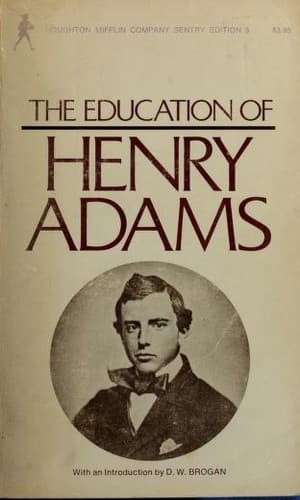
Adams, Henry, 1838-1918; Historians -- United States -- Biography
Adams was puzzled, and was not the only puzzled bystander. The
stage-type of statesman was amusing, whether as Roscoe Conkling or
Colonel Mulberry Sellers, but what was his value? The statesmen of the
old type, whether Sumners or Conklings or Hoars or Lamars, were
personally as honest as human nature could produce. They trod with
lofty contempt on other people's jobs, especially when there was good
in them. Yet the public thought that Sumner and Conkling cost the
country a hundred times more than all the jobs they ever trod on; just
as Lamar and the old Southern statesmen, who were also honest in
money-matters, cost the country a civil war. This painful moral doubt
worried Adams less than it worried his friends and the public, but it
affected the whole field of politics for twenty years. The newspapers
discussed little else than the alleged moral laxity of Grant, Garfield,
and Blaine. If the press were taken seriously, politics turned on jobs,
and some of Adams's best friends, like Godkin, ruined their influence
by their insistence on points of morals. Society hesitated, wavered,
oscillated between harshness and laxity, pitilessly sacrificing the
weak, and deferentially following the strong. In spite of all such
criticism, the public nominated Grant, Garfield, and Blaine for the
Presidency, and voted for them afterwards, not seeming to care for the
question; until young men were forced to see that either some new
standard must be created, or none could be upheld. The moral law had
expired--like the Constitution.
Grant's administration outraged every rule of ordinary decency,
but scores of promising men, whom the country could not well spare,
were ruined in saying so. The world cared little for decency. What it
wanted, it did not know; probably a system that would work, and men who
could work it; but it found neither. Adams had tried his own little
hands on it, and had failed. His friends had been driven out of
Washington or had taken to fisticuffs. He himself sat down and stared
helplessly into the future.
Public-domain text, read in full here on John Shaqi.
Reviews
Reviews
No reviews yet
Be the first to share your thoughts on this work.
Elsewhere in the archive
Join the Discussion
Join the discussion
Sign in to leave a comment or review.
Sign InorCreate an account