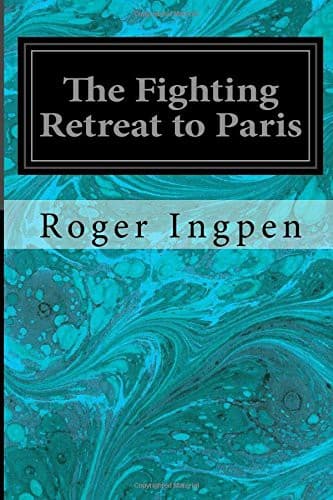
World War, 1914-1918 -- Campaigns -- Western Front
When quick action was necessary the firing and the action of the
men was only that of prize riflemen firing at a disappearing
target. There was no excitement, no nervousness; just cool,
methodical efficiency. If the British lost heavily heaven only
knows what the Germans must have lost, because, as one of their
wounded officers (whom the British took prisoner) remarked, “We had
never expected anything like it; it was staggering.”
The British troops went to their positions silently but happily.
There was no singing, because that was forbidden, but as the
khaki-clad columns deployed and began to crawl to the trenches
there were various sallies of humour in the different dialects
of English, Irish, and Scottish counties. The Yorkshireman, for
instance, would draw a comparison between the men they were going
to fight and certain dogs that won’t fight which the Yorkshire
collier has not time to waste upon at the pit-head; the Cockney
soldier was there with his sallies about “Uncle Bill,” and every
Irishman who went into the firing line wished he had the money
to buy a little Irish horse, so that he could have a slap at the
Uhlans.
And the cavalry! Officers coming from the front declare that our
cavalrymen charged the much-vaunted German horsemen as Berserkers
might have done. When they got into action with tunics open,
and sometimes without tunics at all, they flung themselves at
the German horsemen in a manner which surprised even their own
officers, who had themselves expected great things of them. The
Uhlans, whose name and fearful fame had spread terror among the
Belgian peasants and the frontier villages of France, were just the
sort of men the British troopers were waiting for. The Britishers,
mostly Londoners, who, as Wellington said, make the best cavalry
soldiers in the world, were dying to have a cut at them; and when
they got into clinches the Uhlans had the surprise of their lives.
From the scene of battle, the point of interest in the European war
drama, as far as England is concerned, shifted in the small hours
of this morning to the railway station at X, where officers and men
of the Army Service Corps awaited the arrival of the wounded—the
British wounded from the firing line. Everything was perfectly
organised; there was no theatrical display; the officers and men of
the British Army waited silently and calmly for the toll of war,
which they had been advised was on its way.
The West Kents were one of the first of the British troops to come
under fire at Mons, in which they lost four officers killed, including
Major Pach-Beresford, and four officers and seventeen men wounded. A
wounded lance-corporal of this regiment says:—
Public-domain text, read in full here on John Shaqi.
Reviews
Reviews
No reviews yet
Be the first to share your thoughts on this work.
Join the Discussion
Join the discussion
Sign in to leave a comment or review.
Sign InorCreate an account