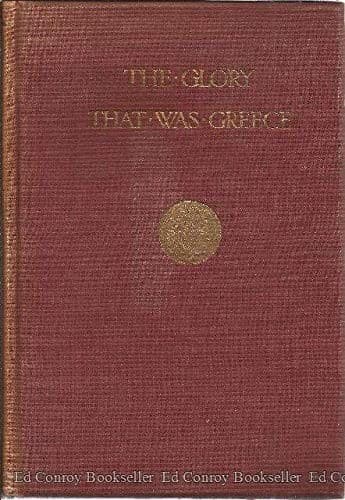
The Glory That Was Greece: a survey of Hellenic culture and civilisationStobart, J. C. (John Clarke)
History
The Glory That Was Greece: a survey of Hellenic culture and civilisation
Stobart, J. C. (John Clarke)
Art, Greek; Greece -- Civilization -- To 146 B.C.
Harpy tomb, 123
Heavenly twins, the, 245
Hecatæus of Miletus, 122
Hegeso, tomb of, 192
Helen of Troy, 55, 58
Helicon, Mount, 9;
Muses of, 63
Heliodorus, 180, 262
Helios, 226
Hellas, definition of, 260
Hellenic people, the, fusion of races, 39
Hellenism, the study of, 4;
contest between Hellenism and barbarism, 153;
Alexander the Great and, 243;
and Asiatic elements, 251;
the Roman and, 260;
and Europe, 260
Helots, 87
Hephæstus, shield of, 43;
works of, 54;
and Athena, 94;
in the Parthenon frieze, 151, 155;
the temple of, 167
Hera, 23, 50, 130, 154;
temple of, 106, 108, 215
Heracleitus of Ephesus, 122
Heracles, 85;
and his labours, 111, 153;
and Hylas, 180;
the Farnese, 265
“Heracles, the sons of,” 73
Herculaneum, bronzes, 221;
Greek art at, 263
Hercules--_see_ Heracles
Hermes, early origin, 66, 67;
popularity of, 68;
in art, 70;
and the Olympian Games, 76;
in the Parthenon frieze, 154;
on sepulchral slab, 192;
replaces Apollo in art, 211;
of Praxiteles, 169, 211, 215
Hero-worship, 38;
in Homer, 51
Herodotus, 228;
on Homer and Hesiod, 50;
and the Delphic oracle, 73;
declaimed at the Olympic Games, 76;
and the Persians, 136
Heroic age, the, 36, 38;
cult and art, 103
Herondas of Cos, 250
Hersephoria, 98
Hesiod and the five ages of the world, 36;
and the gods, 50;
contemporary with Homer, 52;
the world of, 61-64;
and mythology, 66;
and poetic contest, 75, 88;
popularity of, 104
“Heureka!” 248
Hiero, tyrant of Syracuse, 113, 129, 225
Hieron, 225
Himera, battle of, 130, 131
Hindu Khush, the, 243
Hipparchus, 113, 115
Hippias, 115, 116, 134, 235
Hippocleides, 109
Hissarlik, 13
Historians, 228
Homer and primitive European civilisation, 12, 13, 14;
and the Achæans, 40;
composition of the epics, 41;
as history, 42;
the Shield of Achilles, 42-47;
kings and gods in, 47-53;
Homeric religion, 51;
when written, 52;
and the art of the period, 53;
women in, 58;
houses and domestic life in, 59;
and mythology, 66;
popularity of, 103;
the recitation of, 112;
theology of, 232;
Ionia and, 119;
scholars of Alexandria and, 248;
influence of, 261
“Homeric” hymns, 68
Homeridæ, the, 41
Hoplite, the Athenian, 135
Horace, 121
Horse, the, in Greek art, 57
Horse-races, 129
Houses in Homer, 59
“Hungry Greekling,” 265
Hygiæa, 70
Hylas, 180
Hymettus, Mount, 96
Hypnos (Sleep), 220
Ibycus of Rhegium, 129
Ictinus, the architect, 147;
and the temple-builders, 161-171
“Ilissus,” 152
Immortality, doctrine of, 128;
immortality of the soul, 190;
Platonic theory of, 234
India, Alexander the Great’s invasion of, 243
Indo-Europeans, Ægean, 32
Ionia, 118-126;
cities, 112;
poets, 119;
philosophers, 122;
plastic art, 123, 126;
King Crœsus, 123;
Sparta and Ionian cities, 199, 204
Ionians, the, 40, 68, 118
Ionic states, the, 112
Iphicrates, 204
Iris, 51, 152
Iron Age, the, 31, 37
Isæus, 229
Public-domain text, read in full here on John Shaqi.
Reviews
Reviews
No reviews yet
Be the first to share your thoughts on this work.
Elsewhere in the archive
Join the Discussion
Join the discussion
Sign in to leave a comment or review.
Sign InorCreate an account