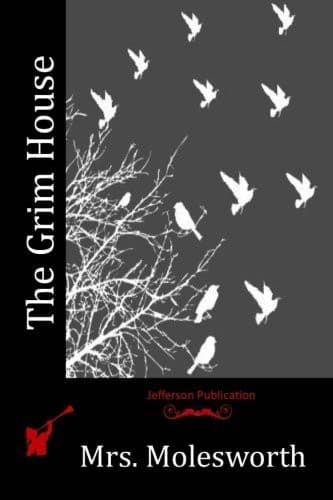
England -- Social life and customs -- 19th century -- Fiction; Families -- Fiction; Young women -- Fiction
This was the last talk we had on the subject before the time came for
our new friends to turn homewards. We parted with great regrets on both
sides, and many a wish on ours--on mine, at least--that we, like them,
were bound for England on leaving Weissbad; but that was not our case.
Father was more determined than ever that the winter must be spent in
the South, though we had begun to hope that the great improvement in our
invalids already achieved would have brought about his consent to our
all going home again. We quitted Weissbad a few days after the
Wynyards, escorted by father, who left us again as soon as he had seen
us installed for the second time--this time at one of the smaller, and
in those days less-frequented, winter places on the Riviera.
The four or five months we spent there passed uneventfully--much as
former winters had done in the years when sojourning in the South was a
regular institution for us. Nothing so interesting as our meeting with
the Wynyards at Weissbad happened to us; and indeed, but for one
incident, trivial and scarcely noticed at the time, but which
after-occurrences recalled to my memory, I should have no occasion to
linger on our stay in the South.
The incident was the following.
The hotel at which we were staying was a small one, though comfortably
managed on almost entirely English rules, for the visitors, many of whom
came there year after year, were rarely of any other nationality than
our own. It was therefore impossible, and would have savoured of
churlishness and affectation, to keep ourselves apart, or to be on other
terms than those of friendly acquaintanceship with our fellow-guests.
None of them, however, were very interesting. On the whole, those whom
we "took to" the most were a mother and two sons--quite young fellows,
one about Moore's age, the other a year or two older. It was for the
sake of the elder one that they were spending the winter abroad, as a
very severe illness had left him much in the state that we had dreaded
for Moore himself, and the similarity of the circumstances naturally
induced sympathy between us.
It was Moore, of course, who first made friends, beginning with the
younger boy, and Mrs Payne, the mother, speedily followed it up by
thanking us for some little kindness we happened to show her son.
"It is so dull for him here," she said, "as his brother is not able to
do much. I almost wish we had left him at home at school. But it would
have been dreary for him at Christmas--his father and my eldest son are
such terribly busy people. Lawyers generally are, I suppose--and we
hoped that Leo would have some chance of improving his French here, as
he is going to a public school at Easter."
Public-domain text, read in full here on John Shaqi.
Reviews
Reviews
No reviews yet
Be the first to share your thoughts on this work.
Join the Discussion
Join the discussion
Sign in to leave a comment or review.
Sign InorCreate an account