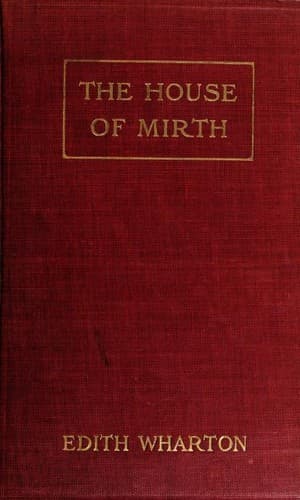
New York (N.Y.) -- Fiction; Psychological fiction; Single women -- Fiction; Social classes -- Fiction
She uttered a smiling acceptance, hailing in the renewal of the tie
an escape from Trenor’s importunities.
Chapter 11
Meanwhile the holidays had gone by and the season was beginning.
Fifth Avenue had become a nightly torrent of carriages surging
upward to the fashionable quarters about the Park, where
illuminated windows and outspread awnings betokened the usual
routine of hospitality. Other tributary currents crossed the
mainstream, bearing their freight to the theatres, restaurants or
opera; and Mrs. Peniston, from the secluded watch-tower of her
upper window, could tell to a nicety just when the chronic volume
of sound was increased by the sudden influx setting toward a Van
Osburgh ball, or when the multiplication of wheels meant merely
that the opera was over, or that there was a big supper at Sherry’s.
Mrs. Peniston followed the rise and culmination of the season
as keenly as the most active sharer in its gaieties; and,
as a looker-on, she enjoyed opportunities of comparison and
generalization such as those who take part must proverbially
forego. No one could have kept a more accurate record of
social fluctuations, or have put a more unerring finger on
the distinguishing features of each season: its dulness, its
extravagance, its lack of balls or excess of divorces. She had a
special memory for the vicissitudes of the “new people” who rose
to the surface with each recurring tide, and were either submerged
beneath its rush or landed triumphantly beyond the reach of envious
breakers; and she was apt to display a remarkable retrospective
insight into their ultimate fate, so that, when they had fulfilled
their destiny, she was almost always able to say to Grace
Stepney—the recipient of her prophecies—that she had known exactly
what would happen.
This particular season Mrs. Peniston would have characterized as
that in which everybody “felt poor” except the Welly Brys and Mr.
Simon Rosedale. It had been a bad autumn in Wall Street, where
prices fell in accordance with that peculiar law which proves
railway stocks and bales of cotton to be more sensitive to the
allotment of executive power than many estimable citizens trained
to all the advantages of self-government. Even fortunes supposed to
be independent of the market either betrayed a secret dependence on
it, or suffered from a sympathetic affection: fashion sulked in its
country houses, or came to town incognito, general entertainments
were discountenanced, and informality and short dinners became the
fashion.
But society, amused for a while at playing Cinderella, soon
wearied of the hearthside role, and welcomed the Fairy Godmother
in the shape of any magician powerful enough to turn the shrunken
pumpkin back again into the golden coach. The mere fact of growing
richer at a time when most people’s investments are shrinking, is
calculated to attract envious attention; and according to Wall
Street rumours, Welly Bry and Rosedale had found the secret of
performing this miracle.
Public-domain text, read in full here on John Shaqi.
Reviews
Reviews
No reviews yet
Be the first to share your thoughts on this work.
Elsewhere in the archive
Join the Discussion
Join the discussion
Sign in to leave a comment or review.
Sign InorCreate an account