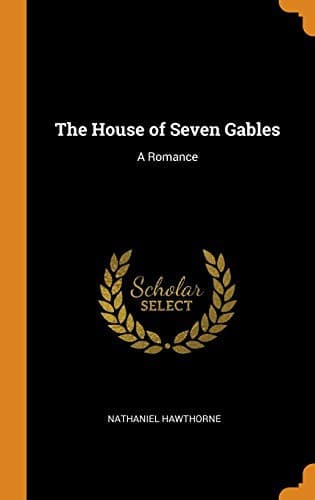
Hundreds of pilgrims annually visit a house in Salem, belonging to one
branch of the Ingersoll family of that place, which is stoutly
maintained to have been the model for Hawthorne’s visionary dwelling.
Others have supposed that the now vanished house of the identical
Philip English, whose blood, as we have already noticed, became mingled
with that of the Hawthornes, supplied the pattern; and still a third
building, known as the Curwen mansion, has been declared the only
genuine establishment. Notwithstanding persistent popular belief, the
authenticity of all these must positively be denied; although it is
possible that isolated reminiscences of all three may have blended with
the ideal image in the mind of Hawthorne. He, it will be seen, remarks
in the Preface, alluding to himself in the third person, that he trusts
not to be condemned for “laying out a street that infringes upon
nobody’s private rights... and building a house of materials long in
use for constructing castles in the air.” More than this, he stated to
persons still living that the house of the romance was not copied from
any actual edifice, but was simply a general reproduction of a style of
architecture belonging to colonial days, examples of which survived
into the period of his youth, but have since been radically modified or
destroyed. Here, as elsewhere, he exercised the liberty of a creative
mind to heighten the probability of his pictures without confining
himself to a literal description of something he had seen.
Public-domain text, read in full here on John Shaqi.
Reviews
Reviews
No reviews yet
Be the first to share your thoughts on this work.
Join the Discussion
Join the discussion
Sign in to leave a comment or review.
Sign InorCreate an account