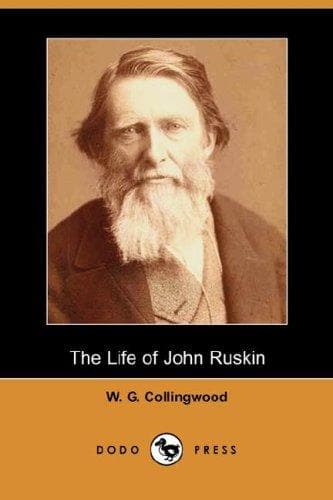
The Life of John RuskinCollingwood, W. G. (William Gershom)
Philosophy
The Life of John Ruskin
Collingwood, W. G. (William Gershom)
Authors, English -- 19th century -- Biography; Ruskin, John, 1819-1900
A Brantwood dinner is always ample; there is no asceticism about the
place; nor is there any affectation of "intensity" or of conversational
cleverness. The neat things you meant to say are forgotten--you must be
hardened indeed to say them to Mr. Ruskin's face; but if you were shy,
you soon feel that there was no need for shyness; you have fallen among
friends; and before dessert comes in, with fine old sherry--the pride of
your host, as he explains--you feel that nobody understands you so well,
and that all his books are nothing to himself.
They don't sit over their wine, and smoking is not allowed. Ruskin goes
off to his study after dinner--it is believed for a nap, for he was at
work early and has been out all the afternoon. In the drawing-room you
see pictures--water-colours by Turner and Hunt, drawings by Prout and
Ruskin, an early Burne-Jones, a sketch in oil by Gainsborough. The
furniture is the old mahogany of Mr. Ruskin's childhood, with rare
things interspersed--like the cloisonné vases on the mantelpiece.
Soon after nine Ruskin comes in with an armful of things that are going
to the Sheffield museum, and while his cousin makes his tea and salted
toast, he explains his last acquirements in minerals or missals, eager
that you should see the interest of them; or displays the last studies
of Mr. Rooke or Mr. Fairfax Murray, copies from Carpaccio or bits of
Gothic architecture.
Then, sitting in the chair in which he preached his baby-sermon, he
reads aloud a few chapters of Scott or Miss Edgeworth, or, with
judicious omissions, one of the older novelists; or translates, with
admirable facility, a scene of Scribe or George Sand. When his next
work comes out you will recognise this evening's reading in his
allusions and quotations, perhaps even in the subjects of his writing,
for at this time he is busy on the articles of "Fiction, Fair and Foul."
After the reading, music; a bit of his own composition, "Old Aegina's
Rock," or "Cockle-hat and Staff"; his cousin's Scotch ballads or Christy
Minstrel songs; and if you can sing a new ditty, fresh from London, now
is your chance. You are surprised to see the Prophet clapping his hands
to "Camptown Races," or the "Hundred Pipers"--chorus given with the
whole strength of the company; but you are in a house of strange
meetings.
By about half-past ten his day is over; a busy day, that has left him
tired out. You will not easily forget the way he lit his candle--no
lamps allowed, and no gas--and gave a last look lovingly at a pet
picture or two, slanting his candlestick and shading the light with his
hand, before he went slowly upstairs to his own little room, literally
lined with the Turner drawings you have read about in "Modern Painters."
Public-domain text, read in full here on John Shaqi.
Reviews
Reviews
No reviews yet
Be the first to share your thoughts on this work.
Elsewhere in the archive
Join the Discussion
Join the discussion
Sign in to leave a comment or review.
Sign InorCreate an account