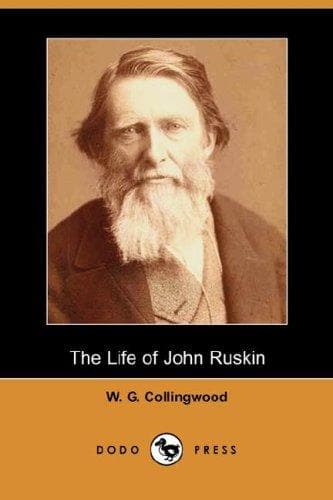
The Life of John RuskinCollingwood, W. G. (William Gershom)
Philosophy
The Life of John Ruskin
Collingwood, W. G. (William Gershom)
Authors, English -- 19th century -- Biography; Ruskin, John, 1819-1900
The London Ruskin Society sent a separate address; and to show that if
not a prophet in his own country he was at any rate a valued friend, the
Coniston Parish Council resolved "and carried unanimously," says the
local journal, "with applause,"
"That the congratulations of this council be offered to Mr. John
Ruskin, on the occasion of his eightieth birthday, together with
the warm thanks which they and all their neighbours feel for the
kindness he has shown, and the many generous acts he has done to
them and theirs during twenty-seven years of residence at Coniston,
where his presence is most truly appreciated, and his name will
always be most gratefully remembered."
But as the year went on he did not regain his usual summer strength.
Walking out had become a greater weariness to him, and he had to submit
to the humiliation of a bath-chair. To save himself even the labour of
creeping down to his study, he sat usually in the turret-room upstairs,
next to his bed-chamber, but still with the look of health in his face,
and the fire in his eyes quite unconquered. He would listen while Baxter
read the news to him, following public events with interest, or while
Mrs. Severn or Miss Severn read stories, novel after novel; but always
liking old favourities best, and never anything that was unhappy. Some
pet books he would pore over, or drowse over by the hour. The last of
these was one in which he had a double interest, for it was about ships
of war, and it was written by the kinsman of a dear friend. Some of the
artists he had loved and helped had failed him or left him, but
Burne-Jones was always true. One night, going up to bed, the old man
stopped long to look at the photograph from Philip Burne-Jones's
portrait of his father. "That's my dear brother, Ned," he said, nodding
good-bye to the picture as he went. Next night the great artist died,
and of all the many losses of these later years this one was the hardest
to bear.
So when a little boy lent him "A Fleet in Being" he read and re-read it;
then got a copy for himself, and might have learnt it by heart, so long
he pored over it. But when the little boy or his sisters went to visit
the "Di Pa" (Dear Papa), as he liked children to call their old friend,
he had now scarcely anything to talk about. "He just looked at us, and
smiled," they would report; "and we couldn't think what to say."
Public-domain text, read in full here on John Shaqi.
Reviews
Reviews
No reviews yet
Be the first to share your thoughts on this work.
Elsewhere in the archive
Join the Discussion
Join the discussion
Sign in to leave a comment or review.
Sign InorCreate an account