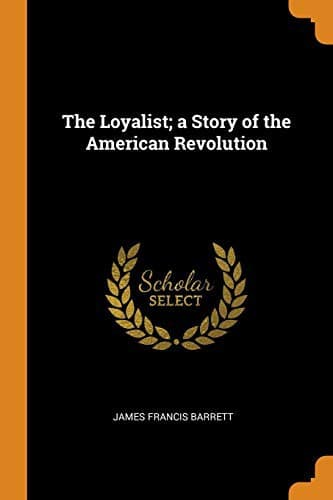
The Loyalist: A Story of the American RevolutionBarrett, James Francis
History
The Loyalist: A Story of the American Revolution
Barrett, James Francis
United States -- History -- Revolution, 1775-1783 -- Fiction
"I don't like this," said Mr. Allison, "and you can be assured that
there will be little restriction as to the company who will comprise
this assemblage. The Governor will take sides with the wealthy, be their
sympathies what they may. Well, if he establish the precedent, I dare
say, none will be so determined as to oppose him. Do you wish to go,
daughter?"
"I think I might enjoy it. The French soldiers are so gallant, I might
find much pleasure there."
"Very well, you shall attend," said her father.
III
And so it was decided that Marjorie would be present at the Governor's
Ball. As custom did not require mothers to accompany their daughters to
such functions, but allowed them to go unattended, Mrs. Allison
preferred to remain at home. To what splendor and gayety the affair
would lend itself was a matter of much speculation. This was the
Governor's first event, and no one was aware of his prowess on the
ballroom floor.
Once the list of invitations had become public, it was understood quite
generally that no distinction was made between those that had, and those
that had not, attended the Mischienza. Whether the number would be
surprisingly small, or whether the affair would fail of success without
the Mischienza ladies, could not be foretold. Indeed such speculations
were idle, since no discrimination had been made. There were a number of
young French Officers in the town and one or two of General Washington's
aides had remained because of the pressure of immediate business after
the British evacuation. These of course would attend. All the other
available young men belonged to the families who had held a more or less
neutral position in the war, and who had not offered their services to
the patriots nor yielded allegiance to the foe. As these neutrals were
among the most prominent people of the city, their presence would, of
course, be altogether desirable.
Marjorie was invited through the efforts of Peggy Shippen, who had
proposed her name to His Excellency on the occasion of his visit to her
house. She would be included in their party and would be assigned a
partner befitting her company. Because of the prominence of the
Shippens, it was thought that the gallant young French Officers, would
be assigned to them. Marjorie rejoiced at this although the Shippen
girls evinced no such sentiment. Whether it was because the French
alliance was distasteful to them or because their Tory leanings took
precedence, they preferred other guests for partners. But as the matter
was to be decided by lot, their likings were not consulted.
Public-domain text, read in full here on John Shaqi.
Reviews
Reviews
No reviews yet
Be the first to share your thoughts on this work.
Join the Discussion
Join the discussion
Sign in to leave a comment or review.
Sign InorCreate an account