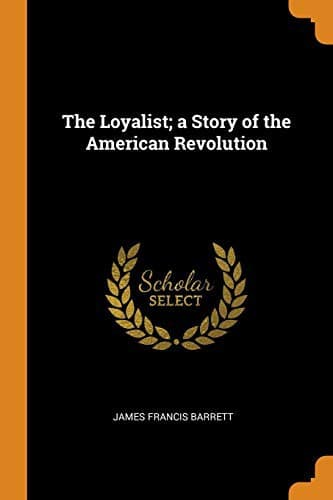
The Loyalist: A Story of the American Revolution — John Shaqi
The Loyalist: A Story of the American RevolutionBarrett, James Francis
History
The Loyalist: A Story of the American Revolution
Barrett, James Francis
United States -- History -- Revolution, 1775-1783 -- Fiction
Her companion, Marjorie Allison, was about her own age, but as intensely
American as she was English. Her parents had always lived in
Philadelphia, as their parents had before them, coming originally from
the Mother country to which they were now opposed in martial strife. The
thrill of patriotism for the cause of the infant republic, which
throbbed violently within her breast, had been inspired to enthusiasm
more by the intense antipathy for the Church of England than for the
government itself. This antipathy was kept alive and invigorated by the
doleful memory of the privations and adversities endured by her
ancestors from the agents of this same government because of their
Catholic worship and their heroic efforts to follow their religious
convictions.
The sympathies of the Allisons were undivided. They were notorious
Whigs, ardent champions of the rights which the new government so
strongly asserted, and which they had pledged themselves stoutly to
defend; ardent champions of the eternal principles on which the new
republic was built. The psychology of the Allisons' allegiance did not
differ from that of innumerable other families. Usually, strange to
relate, society, while constantly moving forward with eager speed, is
just as constantly looking backward with tender regrets. But no regrets
were here. Religious persecution leaves no tender memories in its trail.
Dissatisfaction with the past is seldom rendered more memorable than by
the fanatic attempt to separate the soul from its God.
Marjorie and Peggy had been friends from girlhood. They understood each
other very well. Each knew and appreciated the other's peculiarities,
her virtues and her foibles, her political propensities and religious
convictions. They never discussed their religious differences. They
avoided such a clash out of respect for each other's convictions. Not
so, however, in matters relating to the form of government. Marjorie was
a Whig, an ardent champion of the rights of the Colonists, while her
more aristocratic friend was Tory in her sentiments, moderate, it is
true, but nevertheless at times much inclined to the extreme.
Notwithstanding these differences, their friendship had been constant
and they had always shared their joys and sorrows.
The days of the British occupation of the city had been glorious ones
for Peggy and her sisters. The love of display and finery which was
characteristic of them was satiated by the brilliance and the gayety of
the winter season during which the titled British Officers were feted
and entertained extravagantly. None outshone the Shippens in the
magnificence of their entertainments. Their house was ever open in
hospitality, and more than once it had been whispered about that their
resources had reached the point of exhaustion.
Public-domain text, read in full here on John Shaqi.
Reviews
Reviews
No reviews yet
Be the first to share your thoughts on this work.
Join the Discussion
Join the discussion
Sign in to leave a comment or review.
Sign InorCreate an account