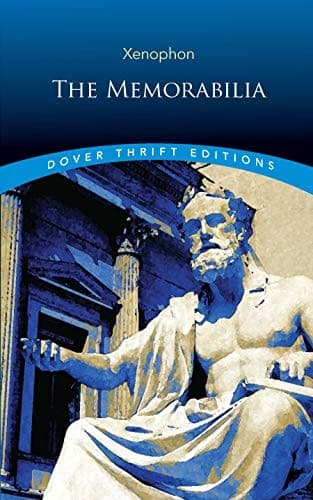
Classical literature; Philosophers, Ancient -- Biography -- Early works to 1800; Socrates -- Trials, litigation, etc. -- Early works to 1800
Nay, how (he answered) should that be, for how could they all have come
together from the ends of the earth? and even if they had so done, men
are not all of one speech? (34)
(34) Or, "there would be difficulty of understanding each other, and a
babel of tongues."
Soc. Whom then do you believe to have been the makers of these laws.
Hipp. For my part, I think that the gods must have made these laws for
men, and I take it as proof that first and foremost it is a law and
custom everywhere to worship and reverence the gods.
Soc. And, I presume, to honour parents is also customary everywhere?
Yes, that too (he answered).
Soc. And, I presume, also the prohibition of intermarriage between
parents and children?
Hipp. No; at that point I stop, Socrates. That does not seem to me to be
a law of God.
Now, why? (he asked).
Because I perceive it is not infrequently transgressed (he answered).
(35)
(35) Or, "as I perceive, it is not of universal application, some
transgress it."
Soc. Well, but there are a good many other things which people
do contrary to law; only the penalty, I take it, affixed to the
transgression of the divine code is certain; there is no escape for the
offender after the manner in which a man may transgress the laws of man
with impunity, slipping through the fingers of justice by stealth, or
avoiding it by violence.
Hipp. And what is the inevitable penalty paid by those who, being
related as parents and children, intermingle in marriage?
Soc. The greatest of all penalties; for what worse calamity can human
beings suffer in the production of offspring than to misbeget? (36)
(36) Or, "in the propagation of the species than to produce
misbegotten children."
Hipp. But how or why should they breed them ill where nothing hinders
them, being of a good stock themselves and producing from stock as good?
Soc. Because, forsooth, in order to produce good children, it is not
simply necessary that the parents should be good and of a good stock,
but that both should be equally in the prime and vigour of their bodies.
(37) Do you suppose that the seed of those who are at their prime is
like theirs who either have not yet reached their prime, or whose prime
has passed?
(37) Cf. Plat. "Laws," viii. 839 A; Herbst, etc., cf. Grotius, "de
Jure," ii. 5, xii. 4.
Hipp. No, it is reasonable to expect that the seed will differ.
Soc. And for the better--which?
Hipp. Theirs clearly who are at their prime.
Soc. It would seem that the seed of those who are not yet in their prime
or have passed their prime is not good?
Hipp. It seems most improbable it should be.
Soc. Then the right way to produce children is not that way?
Hipp. No, that is not the right way.
Soc. Then children who are so produced are produced not as they ought to
be?
Hipp. So it appears to me.
What offspring then (he asked) will be ill produced, ill begotten, and
ill born, if not these?
I subscribe to that opinion also (replied Hippias).
Public-domain text, read in full here on John Shaqi.
Reviews
Reviews
No reviews yet
Be the first to share your thoughts on this work.
Elsewhere in the archive
Join the Discussion
Join the discussion
Sign in to leave a comment or review.
Sign InorCreate an account