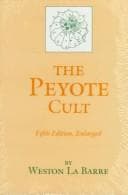
Indians of North America -- Religion; Indians of North America -- Rites and ceremonies; Peyotism
Densmore[122] says that prayer during Winnebago peyote doctoring “are
petitions to God for the recovery of the sick person, not affirmations of
his recovery.”
Opler quotes a Lipan informant on doctoring:[123]
In the early days they just had a good time for one night.
It was not used as a curing ceremony then.... At first they
wanted to have good visions, that’s what they were after. But
then, recently, they began to use it as a medicine for sick
people.... If a sick person comes in the tipi, they see what
is the matter with him. Perhaps a witch has shot something
into him, a bone or something like that. It is seen. Then the
sick one rolls a cigarette and gives it to someone there who
he thinks can cure him. Perhaps some man says, “I think I can
take that out with the help of peyote and these other men.”
So he does his ceremonial work in there and extracts what is
bothering the patient.... He sucks it out usually with his own
lips, not with a tube. It is nasty work right there. It might
be dirty and full of pus. But the medicine man doesn’t think of
it in that way. To them it is just as if they were sucking nice
juice out of something. Yet it will look terrible to others....
All the bad things have to go into the fire and burn down to
ashes.... Sometimes they suck out things like insects which
have been shot into people and these things pop. Sometimes when
they throw the evil object in the fire it blazes up blue but
does not pop.
Northern Cheyenne and Shawnee patients sit in special places in the
peyote tipi, as in the sweat lodge, suggesting that older patterns of
doctoring are involved; as we have seen, the sweat lodge is an integral
part of the Osage peyote round-house plan. That associations of curing
by peyote and curing in the sweat lodge lie close to the surface finds
affirmation in an interesting Arapaho case:[124]
One of the recent modifications of the peyote ceremonial
was devised by a firm devotee, to cure a sick person. The
originator of this new form of the worship believes himself
to have been cured by the drug. In this ceremonial, which was
repeated four times, the tent seems to have represented a sweat
house, and a path led from the entrance to a fire outside, as
before a sweat lodge. The ritual, while remaining a peyote
ceremony, conformed more or less to the ordinary processes of
doctoring a sick person.
Public-domain text, read in full here on John Shaqi.
Reviews
Reviews
No reviews yet
Be the first to share your thoughts on this work.
Elsewhere in the archive
Join the Discussion
Join the discussion
Sign in to leave a comment or review.
Sign InorCreate an account