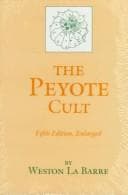
Indians of North America -- Religion; Indians of North America -- Rites and ceremonies; Peyotism
Teo-nanacatl, espece de petit champignon qui a mauvais gout,
enivre et cause des hallucinations; il est medicinal contre
les fievres et la goutte.... Teyuinti, qui enivre quelqu’un,
enivrant; teyhuinti nanacatl, champignon enivrant.
Safford quotes this evidence himself!
Padre Jacinto de la Serna[8] records for us another compound of the
Nahuatl word for mushroom, and describes the fungus while likewise
specifically distinguishing it from peyote and ololiuhqui:
To this meeting had come an Indian ... who had brought some of
the mushrooms that are gathered in the monte, and with these
he had performed a great idolatry. But before proceeding with
my story I wish to explain the nature of the said mushrooms,
which in the Mexican language are called Quahtlananacatl, “wild
mushrooms.” ... These mushrooms were small and yellow and ...
were collected by priests and old men, appointed as ministers
for these impostures, who would proceed to the place where
they grow and remain almost the whole night in prayer and in
superstitious conjuring; and at dawn, when a certain little
breeze known to them would begin to blow, then they would
gather the narcotic,[9] attributing to it deity, with the same
properties as ololiuhqui or peyote, since when eaten or drunk,
they intoxicate those who partake of them, depriving them of
their senses, and making them believe a thousand absurdities.
In Safford it appears that de la Serna distinguished these from Picietl,
tobacco, also. There is an implied confusion, to be sure, in Alarcón,
but he supplies confirmation of this last point, along with interesting
ethnographic details:[10]
One should notice that in almost every case that they are moved
to offer a sacrifice to their imagined gods, there comes to
take charge of it and preside over it some quack, medicine-man,
seer or diviner from among other Indians, the majority of them
falling back on their crazy ceremonies, or on whatever whim
arises when they are deranged from the drinking of what they
call ololiuhqui or pezote [sic] or tobacco, whatever it might
be called in particular localities.
The Franciscan Fray Toribio de Benvento mentions teo-nanacatl, to which
he gives an erroneous etymology:[11]
They had another kind of drunkenness ... which was with small
fungi or mushrooms [hongos ó setas pequeñas] ... which are
eaten raw, and, on account of being bitter, they drink after
them or eat with them a little honey of bees, and shortly after
that they see a thousand visions, especially snakes. They went
raving mad, running about the streets in a wild state [bestial
embriaguez]. They called these fungi “teo-na-m-catl,” a word
meaning “bread of the gods.”
Public-domain text, read in full here on John Shaqi.
Reviews
Reviews
No reviews yet
Be the first to share your thoughts on this work.
Elsewhere in the archive
Join the Discussion
Join the discussion
Sign in to leave a comment or review.
Sign InorCreate an account