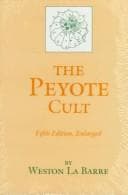
Indians of North America -- Religion; Indians of North America -- Rites and ceremonies; Peyotism
But the narcotic exhibiting perhaps the most numerous parallels in
usage with peyote is datura.[15] Gayton lists as datura-users in the
Southwest[16] the Pima, Zuñi, Navaho, Hopi, Havasupai, Walapai, Mohave,
Yuma and Cocopa, and in California the Akwa’ala, Southern Diegueño, Pass
Cahuilla, Gabrielino, Luiseño, Serrano, Chumash, Salinan, Miwok, Eastern
and Western Mono, and the Foothill and Southern Valley Yokuts. This
distribution is continuous with that in northwestern Mexico among the
Opata, Tepehuane, Cora, Tepecano and Aztec.[17]
The parallel uses of peyote, cohoba snuff and datura in prophecy and
divination have been summarized elsewhere,[18] but there are further
interesting uses of datura. The Aztec of Mexico[19] had special officials
who took ololiuhqui (the seeds of datura) to discover cures for
illnesses, to find lost or stolen property, to ascertain the origin of
long sickness due to witchcraft, etc., receiving pay for their services.
Sometimes they prescribed the drug for their patients; datura was also
used empirically as an anodyne in setting fractures, and it may have
been one of the drugs employed to stupefy sacrificial victims, though
peyote is the only one identified. Ololiuhqui was also mixed with tobacco
and the ashes of venomous insects to make the sacred ointment of the
priesthood; set on altars it was called Divine Meat.[20] The Cora[21]
refer to daturas in their songs and myths, but their use of it is not
known.
In northern Mexico, the Tepehuane used toloache [datura] in place of
peyote.[22] Tepecano prayers refer to datura as the husband of Corn
Daughter and the son-in-law of Father Sun; having taken two mistresses,
he was punished for this by being stuck head downward in the ground and
commanded to give mortals whatever they begged of him. They believe him
to have great riches, which they pray for and “borrow.” Datura is one of
the five narcotics whose flowers decorate a love charm.[23]
Public-domain text, read in full here on John Shaqi.
Reviews
Reviews
No reviews yet
Be the first to share your thoughts on this work.
Elsewhere in the archive
Join the Discussion
Join the discussion
Sign in to leave a comment or review.
Sign InorCreate an account