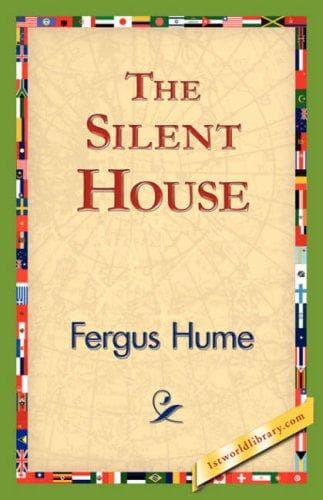
Geneva Square was a kind of backwater of the great river of town life
which swept past its entrance with speed and clamour without disturbing
the peace within. One long, narrow street led from a roaring
thoroughfare into a silent quadrangle of tall grey houses, occupied by
lodging-house keepers, city clerks and two or three artists, who
represented the Bohemian element of the place. In the centre there was
an oasis of green lawn, surrounded by rusty iron railings the height of
a man, dotted with elms of considerable age, and streaked with narrow
paths of yellow gravel.
The surrounding houses represented an eminently respectable appearance,
with their immaculately clean steps, white-curtained windows, and neat
boxes of flowers. The windows glittered like diamonds, the door-knobs
and plates shone with a yellow lustre, and there were no sticks, or
straws, or waste paper lying about to mar the tidy look of the square.
With one exception, Geneva Square was a pattern of all that was
desirable in the way of cleanliness and order. One might hope to find
such a haven in some somnolent cathedral town, but scarcely in the
grimy, smoky, restless metropolis of London.
The exception to the notable spotlessness of the neighborhood was No.
13, a house in the centre of the side opposite to the entrance. Its
windows were dusty, and without blinds or curtains, there were no
flower-boxes on the ledges, the steps lacked whitewash, and the iron
railings looked rusty for want of paint. Stray straws and scraps of
paper found their way down the area, where the cracked pavement was damp
with green slime. Such beggars as occasionally wandered into the square,
to the scandal of its inhabitants, camped on the doorstep; and the very
door itself presented a battered, dissolute appearance.
Yet, for all its ill looks and disreputable suggestions, those who dwelt
in Geneva Square would not have seen it furbished up and occupied for
any money. They spoke about it in whispers, with ostentatious
tremblings, and daunted looks, for No. 13 was supposed to be haunted,
and had been empty for over twenty years. By reason of its legend, its
loneliness and grim appearance, it was known as the Silent House, and
formed quite a feature of the place. Murder had been done long ago in
one of its empty, dusty rooms, and it was since then that the victim
walked. Lights, said the ghost-seers, had been seen flitting from window
to window, groans were sometimes heard, and the apparition of a little
old woman in brocaded silk and high-heeled shoes appeared on occasions.
Hence the Silent House bore an uncanny reputation.
Public-domain text, read in full here on John Shaqi.
Reviews
Reviews
No reviews yet
Be the first to share your thoughts on this work.
Join the Discussion
Join the discussion
Sign in to leave a comment or review.
Sign InorCreate an account