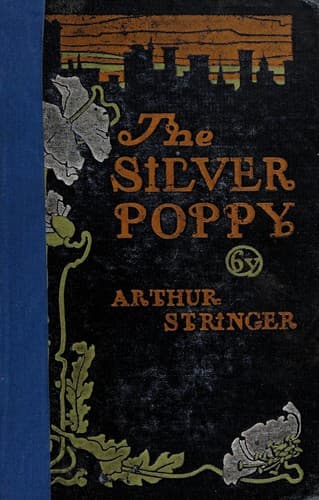
Authors -- Fiction; Canadian fiction; Impostors and imposture -- Fiction; New York (N.Y.) -- Social life and customs -- Fiction
Cordelia, remembering the source of all this unlooked-for publicity, sat
in melancholy apprehension amid these notices, frightened a little at
the stir she had made, and made so unwittingly, in the world of letters.
Hartley, too, she soon found, fully shared in her own depression of
spirits over the episode. So she decided it was best not even to speak
of it, when it could be avoided, before him. While alone with her own
thoughts she vainly attempted to school herself to regard it all in the
words of one of her critics, "as only the musical _entr' acte_ in the
drama of a busy literary life."
When Repellier looked searchingly at Cordelia, and asked her, while
speaking of The Need of War, how she had ever come by a touch so
decisive and so powerful, she smiled quietly and said:
"Did you ever hear of Ægles?"
Repellier had not.
"Well, according to that old Greek myth, Mr. Repellier, Ægles was a
wrestler. He was born dumb, they say, and hadn't ever uttered a word in
all his life. But one day in the arena he saw an athlete resort to some
piece of dishonest trickery--I can't remember just what it was. Then, in
his passion to denounce that trickery, he broke the strings of his
tongue, and suddenly spoke."
CHAPTER XXI
THE SIGNS OF BLIGHT
Some love your songs, but I who know
The happier touch of lips whence flow
These notes that all men turn to praise
Loved you, the singer, all my days;
And longing, listening, loving, I
Have waited till the song should die--
Till you, the singer, came to bless
My lips with your own lips' caress.
JOHN HARTLEY, "The Silent Hour."
Amid all his chaff were phrases that got down the neck of one's
memory and tickled like barley-beards.--"The Silver Poppy."
"Oh, my poet, my poet, what have they been doing to you?"
It was Miss Short who spoke, looking up at Hartley with surprised and
honestly reproving eyes. They had met by accident on upper Broadway, as
he was on his way to the tea-room of a Fifth Avenue hotel. Both her tone
and manner nettled him.
"Am I so changed?" And he laughed uneasily.
"Why, yes, my poor lost hero, and you're getting fat--no, not exactly
fat, but prosperous looking. But a fat poet--it is awful! It sounds
worse than a Hercules with French heels. It's as incongruous as an angel
eating corn-mush. And who wants a fat poet? His corpulency would always
be hinting to you that he was too trimly built, too well ballasted, to
be in danger. He's too contented to be interesting. Who's going to
thrill with anxiety over a mud-scow swinging in three feet of oily
water?"
"Thank you," said Hartley coldly.
"But seriously, you haven't given up the--the open sea?" Miss Short
asked him in a softer voice. This grandiloquence of metaphor wearied
him.
Public-domain text, read in full here on John Shaqi.
Reviews
Reviews
No reviews yet
Be the first to share your thoughts on this work.
Elsewhere in the archive
Join the Discussion
Join the discussion
Sign in to leave a comment or review.
Sign InorCreate an account