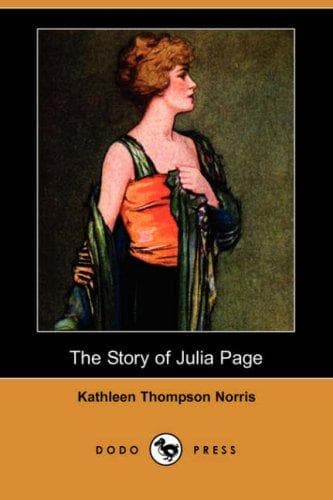
Marriage -- Fiction; Runaway husbands -- Fiction; Social settlements -- Fiction; Women -- Fiction
"Here he comes!" Julia cried. And indeed George was to be seen for a
moment, between two friends, standing on the corner.
A long wait ensued. Then steps came up the stairs. Emeline, followed by
Julia, went to the door. It was not George, but a note from George,
delivered by Henny, of Cassidy's saloon.
"Dear Em," Emeline read, "a couple of the fellows want me to go to
Emeryville, have dinner at Tony's, and sit in a little game afterward.
Tell Julie I will take her to the Park to-morrow--and buy her anything
she wants. George."
"Thanks, Henny," Emeline said, without visible emotion. But Julia's lip
quivered, and she burst into bitter crying. Six-years-old knows no
tomorrows, and Julia tasted the bitterness of despair. She cried
quietly, her little body screwed into a big armchair, her face hidden in
the crook of a thin little arm. Emeline stood it as long as she could,
then she slapped and shook Julia to stop her, and Julia strangled and
shrieked hysterically.
Peace was presently restored, and Julia was asked if she would like to
go see her Auntie Mame, and assented with a hiccough. So her mottled
little face was wiped with a soggy gray towel, and her bonnet
straightened, and they set out.
Mrs. Povey was so sympathetic that Emeline stayed with her for dinner, a
casual meal which Myrtle Montague and a sister actress came in to share.
Julia sat with them at table, and stuffed solemnly on fresh bread and
cheese, crab salad and smoked beef, hot tomato sauce and delicious
coffee. The coffee came to table in a battered tin pot, and the cream
was poured into the cups from the little dairy bottle, with its metal
top, but Julia saw these things as little as any one else--as little as
she saw the disorderly welter of theatrical effects in the Poveys'
neglected rooms, the paint on the women's faces, the ugly violence and
coarseness of their talk.
But she did see that they were an impulsive, warm-hearted, generous set.
Nobody ever spoke crossly to her, she was given the freedom of their
rooms, she listened to their chatter, she was often caught up for
embraces heavy with cologne; they loved to dress her up in preposterous
costumes, and shouted with laughter at the sight of her in Dolly Varden
bonnets, Scotch kilts, or spectacles and wigs. "Baby doll," "Lovey," and
"Honey Babe" were Julia's names here, and she was a child hungry for
love and eager to earn it. To-night she ate her supper in that silence
so grateful to grown people, and afterward found some stage jewellery
and played with it until her head was too heavy to hold up any longer.
Then she went to sleep upon an odorous couch piled deep with all sorts
of odd garments, her feet thrust into a tangle of lifeless satin
pillows, her head upon the fur lining of some old cape, a banjo prodding
her uncomfortably whenever she stirred.
Public-domain text, read in full here on John Shaqi.
Reviews
Reviews
No reviews yet
Be the first to share your thoughts on this work.
Join the Discussion
Join the discussion
Sign in to leave a comment or review.
Sign InorCreate an account