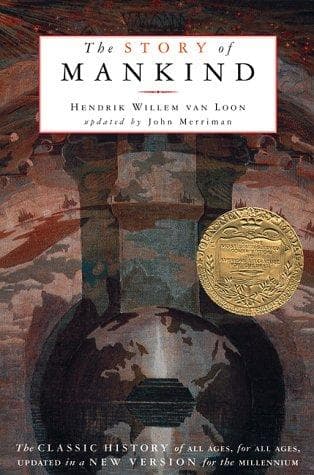
World history; World history -- Juvenile literature
To keep the ever increasing number of factories going, the owners, who
had also become the rulers of the land, needed raw materials and coal.
Especially coal. Meanwhile the mass of the people were still thinking
in terms of the sixteenth and seventeenth centuries and clinging to the
old notions of the state as a dynastic or political organisation. This
clumsy mediæval institution was then suddenly called upon to handle
the highly modern problems of a mechanical and industrial world. It
did its best, according to the rules of the game which had been laid
down centuries before. The different states created enormous armies
and gigantic navies which were used for the purpose of acquiring new
possessions in distant lands. Wherever there was a tiny bit of land
left, there arose an English or a French or a German or a Russian
colony. If the natives objected, they were killed. In most cases they
did not object, and were allowed to live peacefully, provided they did
not interfere with the diamond mines or the coal mines or the oil mines
or the gold mines or the rubber plantations, and they derived many
benefits from the foreign occupation.
Sometimes it happened that two states in search of raw materials
wanted the same piece of land at the same time. Then there was a
war. This occurred fifteen years ago when Russia and Japan fought
for the possession of certain territories which belonged to the
Chinese people. Such conflicts, however, were the exception. No one
really desired to fight. Indeed, the idea of fighting with armies and
battleships and submarines began to seem absurd to the men of the early
20th century. They associated the idea of violence with the long-ago
age of unlimited monarchies and intriguing dynasties. Every day they
read in their papers of still further inventions, of groups of English
and American and German scientists who were working together in perfect
friendship for the purpose of an advance in medicine or in astronomy.
They lived in a busy world of trade and of commerce and factories. But
only a few noticed that the development of the state, (of the gigantic
community of people who recognise certain common ideals,) was lagging
several hundred years behind. They tried to warn the others. But the
others were occupied with their own affairs.
I have used so many similes that I must apologise for bringing in
one more. The Ship of State (that old and trusted expression which
is ever new and always picturesque,) of the Egyptians and the Greeks
and the Romans and the Venetians and the merchant adventurers of
the seventeenth century had been a sturdy craft, constructed of
well-seasoned wood, and commanded by officers who knew both their crew
and their vessel and who understood the limitations of the art of
navigating which had been handed down to them by their ancestors.
Public-domain text, read in full here on John Shaqi.
Reviews
Reviews
No reviews yet
Be the first to share your thoughts on this work.
Elsewhere in the archive
Join the Discussion
Join the discussion
Sign in to leave a comment or review.
Sign InorCreate an account