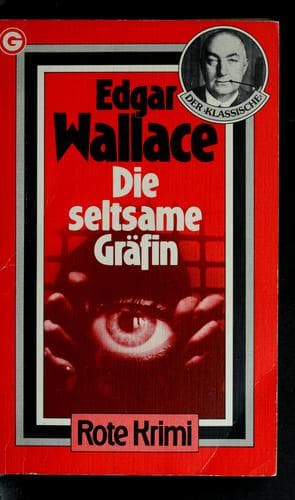
Countesses -- Fiction; Crime -- Fiction; Detective and mystery stories; Household employees -- Fiction; Young women -- Fiction
At five o’clock that afternoon there was a great thudding of doors
and snapping of keys in Telsbury Prison. The evening meal-hour was
over. The last visit had been paid by the chief wardress. Laundries,
cook-houses, and workshops had been locked up by the officers
responsible, and the five halls, that ran, star-shaped, from the
common centre, were deserted except for the wardress on duty at the
desk, who was reading the letters which had come addressed to the
prisoners and which would be delivered to them in the morning. She
worked with the sure eye and hand of an expert, using her blue pencil
to cover up such items of general news as convicts are not allowed to
receive.
So engaged, she heard the burr of a “call,” and, looking round, saw
that the red disc had fallen over one of the hundred apertures in the
indicator. She put down her pencil, walked along the hall, and,
stopping before a cell, inserted her key and pulled the door open.
The woman who rose from her bed did not wear the prison livery.
Instead, she was dressed in a dark blue costume; her hat and coat lay
on the bed and on top a pair of new gloves. In one corner of the cell
was a small Gladstone bag and an umbrella.
“I am sorry to trouble you, madam,” said the prisoner nervously, “but
I wondered if they had forgotten, if----” Her voice shook and she
found it difficult to speak.
“They haven’t forgotten, Mrs. Pinder,” said the wardress calmly. “The
officer should not have put the lock on you.” She pushed the door open
wide. “If you feel lonely come out and sit with me.”
“Thank you,” said the woman gratefully, and the official saw that she
was very near to tears. “Only the governor told me that he had
telegraphed to my friends. There has been no reply?”
“There wouldn’t be,” said the tactful wardress. “They will be here
very soon. Probably they think that you would prefer to wait.” She
laughed. “Usually prisoners are discharged in the morning, but the
Home Office allowed the governor to use his discretion in letting you
out over-night. I don’t think I should worry, Mrs. Pinder.”
She waited at the door.
“Come out when you want,” she said good-humouredly. “There’s the whole
hall to walk in and the lock is on, so you won’t be seen by any of the
women.”
Mary Pinder came slowly into the wide hall and looked along the
familiar vista of small black doors, tier upon tier, at the big window
at the end of the hall through which the light of the evening sun was
shining. For the first time in twenty years she was free of restraint,
could walk without observation, and soon would pass through that
steel-barred grille into God’s sweet air and into a world of free
people.
She checked the sobbing sigh that came, and, her hands tightly clasped
together, stood motionless, thinking. She dared not believe the story
she had been told; dared not let her mind rest upon what happiness lay
beyond the bars.
Public-domain text, read in full here on John Shaqi.
Reviews
Reviews
No reviews yet
Be the first to share your thoughts on this work.
Join the Discussion
Join the discussion
Sign in to leave a comment or review.
Sign InorCreate an account