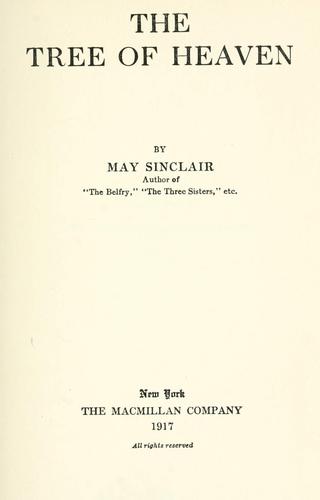
Women -- Suffrage -- Great Britain -- Fiction; World War, 1914-1918 -- Great Britain -- Fiction
And Stephen had sat silent, thinking other thoughts, not listening to
what was said.
And now people were whining about Louvain and Rheims Cathedral. Michael
said to himself that he could stand these massed war emotions if they
were sincere; but people whined about Louvain and Rheims Cathedral who
had never cared a damn about either before the War.
Anthony looked up over the edge of his morning paper, inquired whether
Michael could defend the destruction of Louvain and Rheims Cathedral?
Michael shrugged his shoulders. "Why bother," he said, "about Rheims
Cathedral and Louvain? From your point of view it's all right. If
Louvain and Rheims Cathedral get in the way of the enemy's artillery
they've got to go. They didn't happen to be in the way of ours,
that's all."
Michael's mind was showing certain symptoms, significant of its malady.
He was inclined to disparage the military achievements of the Allies and
to justify the acts of Germany.
"It's up to the French to defend Paris. And what have we got to do with
Alsace-Lorraine? As if every inteligent Frenchman didn't know that
Alsace-Lorraine is a sentimental stunt. No. I'm not pro-German. I simply
see things as they are."
"I think," Frances would say placably, "we'd better not talk about the
War."
He would remind them that it was not his subject.
And John laughed at him. "Poor old Nick hates the War because it's
dished him. He knows his poems can't come out till it's over."
As it happened, his poems came out that autumn.
After all, the Germans had been held back from Paris. As Stephen pointed
out to him, the Battle of the Marne had saved Michael. In magnificent
defiance of the enemy, the "New Poems" of Michael Harrison, with
illustrations by Austin Mitchell, were announced as forthcoming in
October; and Morton Ellis's "Eccentricities," with illustrations by
Austin Mitchell, were to appear the same month. Even Wadham's poems
would come out some time, perhaps next spring.
Stephen said the advertisements should be offered to the War Office as
posters, to strike terror into Germany and sustain the morale of the
Allied Armies. "If England could afford to publish Michael--"
Michael's family made no comment on the appearance of his poems. The
book lay about in the same place on the drawing-room table for weeks.
When Nanna dusted she replaced it with religious care; none of his
people had so much as taken it up to glance inside it, or hold it in
their hands. It seemed to Michael that they were conscious of it all the
time, and that they turned their faces away from it pointedly. They
hated it. They hated him for having written it.
He remembered that it had been different when his first book had come
out two years ago. They had read that; they had snatched at all the
reviews of it and read it again, trying to see what it was that they
had missed.
They had taken each other aside, and it had been:
"Anthony, do you understand Michael's poems?"
"Dorothy, do you understand Michael's poems?"
Public-domain text, read in full here on John Shaqi.
Reviews
Reviews
No reviews yet
Be the first to share your thoughts on this work.
Elsewhere in the archive
Join the Discussion
Join the discussion
Sign in to leave a comment or review.
Sign InorCreate an account