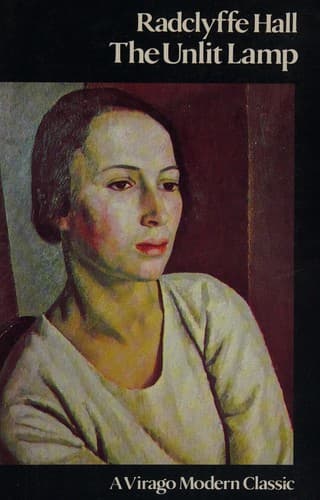
England -- Fiction; Mothers and daughters -- Fiction
It was her children's education that now worried Mrs. Ogden most. Not
that she cared very much what they learnt; her fetish was how and where
they learnt it. She had been a Routledge before her marriage, a fact
which haunted her day and night. "Poor as rats, and silly proud as
peacocks," someone had once described them. "We Routledges"--"The
Routledges never do that"--"The Routledges never do this!"
Round and round like squirrels in a cage, treading the wheel of their
useless tradition, living beyond their limited means, occasionally
stooping to accept a Government job, but usually finding all work _infra
dig_. Living on their friends, which somehow was not _infra dig._,
soothing their pride by recounting among themselves and to all who would
listen the deeds of valour of one Admiral Sir William Routledge, said to
have been Nelson's darling--hanging their admiral's picture with laurel
wreaths on the anniversary of some bygone battle and never failing to
ask their friends to tea on that occasion--such were the Routledges of
Chesham, and such, in spite of many reverses, had Mary Ogden remained.
True, Chesham had been sold up, and the admiral's portrait by Romney
bought by the docile Bishop of Blumfield at the request of his wife Ann.
True, Ann and Mary had been left penniless when their father, Captain
Routledge, died of lung hæmorrhage in India. True, Ann had been glad
enough to marry her bishop, then a humble chaplain, while Mary followed
suit with Major Ogden of The Buffs. True, their brother Henry had failed
to distinguish himself in any way and had bequeathed nothing to his
family but heavy liabilities when his haemorrhage removed him in the
nick of time--true, all true, and more than true, but they were still
Routledges! And Admiral Sir William still got his laurel wreaths on the
anniversary of the battle. He had moved from the decaying walls of
Chesham to the substantial walls of the bishop's palace, and perhaps he
secretly liked the change--Ann his descendant did. In the humbler
drawing-room at Leaside he received like homage; for there, in a
conspicuous position, hung a print of the famous portrait, and every
year when the great day came round, Mary, his other descendant,
dutifully placed her smaller laurel wreath round the frame, and asked
her friends to tea as tradition demanded.
"Once a Routledge always a Routledge," Mrs. Ogden was fond of saying on
such occasions. And if the colonel happened to feel in a good temper he
would murmur, "Fine old chap, Sir William; looks well in his laurels,
Mary. Who did you say was coming in this afternoon?" But if on the other
hand his heart had been troubling him, he might turn away with a
scornful grunt. Then Mary, the ever tactless, would query, "Doesn't it
look nice then, dear?" And once, only once, the colonel had said, "Oh,
hell!"
Public-domain text, read in full here on John Shaqi.
Reviews
Reviews
No reviews yet
Be the first to share your thoughts on this work.
Join the Discussion
Join the discussion
Sign in to leave a comment or review.
Sign InorCreate an account