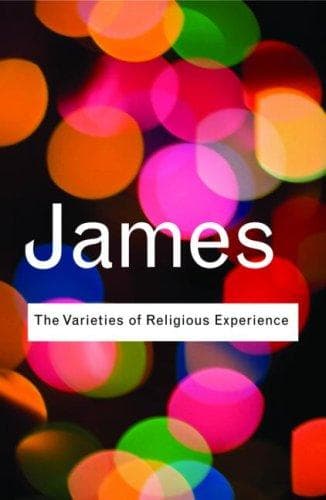
The Varieties of Religious Experience: A Study in Human NatureJames, William
ReligionComparative
The Varieties of Religious Experience: A Study in Human Nature
James, William
Conversion; Experience (Religion); Philosophy and religion; Psychology, Religious; Religion
“Again, the corrupt and unsound form of speaking in the plural
number to a single person, _you_ to one, instead of _thou_,
contrary to the pure, plain, and single language of truth, _thou_
to one, and _you_ to more than one, which had always been used by
God to men, and men to God, as well as one to another, from the
oldest record of time till corrupt men, for corrupt ends, in later
and corrupt times, to flatter, fawn, and work upon the corrupt
nature in men, brought in that false and senseless way of speaking
_you_ to one, which has since corrupted the modern languages, and
hath greatly debased the spirits and depraved the manners of
men;—this evil custom I had been as forward in as others, and this
I was now called out of and required to cease from.
“These and many more evil customs which had sprung up in the night
of darkness and general apostasy from the truth and true religion
were now, by the inshining of this pure ray of divine light in my
conscience, gradually discovered to me to be what I ought to cease
from, shun, and stand a witness against.”(175)
These early Quakers were Puritans indeed. The slightest inconsistency
between profession and deed jarred some of them to active protest. John
Woolman writes in his diary:—
“In these journeys I have been where much cloth hath been dyed;
and have at sundry times walked over ground where much of their
dyestuffs has drained away. This hath produced a longing in my
mind that people might come into cleanness of spirit, cleanness of
person, and cleanness about their houses and garments. Dyes being
invented partly to please the eye, and partly to hide dirt, I have
felt in this weak state, when traveling in dirtiness, and affected
with unwholesome scents, a strong desire that the nature of dyeing
cloth to hide dirt may be more fully considered.
“Washing our garments to keep them sweet is cleanly, but it is the
opposite to real cleanliness to hide dirt in them. Through giving
way to hiding dirt in our garments a spirit which would conceal
that which is disagreeable is strengthened. Real cleanliness
becometh a holy people; but hiding that which is not clean by
coloring our garments seems contrary to the sweetness of
sincerity. Through some sorts of dyes cloth is rendered less
useful. And if the value of dyestuffs, and expense of dyeing, and
the damage done to cloth, were all added together, and that cost
applied to keeping all sweet and clean, how much more would real
cleanliness prevail.
Public-domain text, read in full here on John Shaqi.
Reviews
Reviews
No reviews yet
Be the first to share your thoughts on this work.
Elsewhere in the archive
Join the Discussion
Join the discussion
Sign in to leave a comment or review.
Sign InorCreate an account