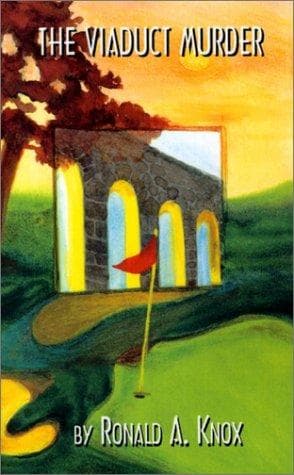
Detective and mystery stories; England -- Fiction; Murder -- Investigation -- Fiction
He found Gordon already at table with Marryatt—Marryatt in the high
clerical collar which was irreverently known to his intimates as “New
every morning.”
“Well, how are you feeling?” he asked. “You looked rather chippy
yesterday. However, I suppose it brings a job of work your way.”
“Confound it,” said Marryatt, “that’s the trouble. The jury at the
inquest are bound to bring in suicide; and then I can’t bury the man
in the churchyard, and all the villagers will say I refused out of
spite, because the poor old chap used to give these atheist lectures
on the village green.”
“Rot!” said Gordon; “if they do find suicide, they’ll certainly say he
was of unsound mind.”
“Yes,” echoed Reeves, “if they do bring in suicide.”
“But surely you can’t doubt it,” urged Marryatt energetically. “The
man’s just gone bankrupt, and it was an ugly case, from what I hear;
several innocent people who’d been fools enough to believe in him left
in the cart. At the same time, the smash came very suddenly, and that
makes it unlikely that anybody could want to murder the man so soon.
Oh, you’ll find it’s suicide right enough.”
“Well,” said Reeves a little stiffly, “we’re going to do our best to
find out between us. I’ve the greatest respect for the police as a
body, but I don’t think they’re very good at following up clues. When
I was in the Military Intelligence one was constantly putting material
at the disposal of the police which they were too supine or too stupid
to use.”
“Well, good luck to your sleuthing; but mark my words, you’ll find it
was suicide. I’m going to play a round now to try and take my mind off
the thing, but I don’t believe I shall be able to drive at the third
after—after what we saw yesterday.”
Left to themselves, Mordaunt Reeves and Gordon arranged that they
would meet again at luncheon and report on the morning’s
investigations.
“And look here,” said Reeves, “it’s a belief of mine that one wants to
cover the ground oneself if one’s to visualize the setting of a crime
properly. So I vote that after lunch we stroll down to the railway and
take a look at the top of that viaduct, and then take the 4.50 from
Paston Oatvile to Paston Whitchurch so as to picture the whole thing
exactly as it happened.” And so they parted, Reeves walking to
Brotherhood’s bungalow, close to Paston Whitchurch station, while
Gordon mounted a motor-bicycle and set out for Binver, a sleepy market
town of some importance as a railway junction, about twelve miles off.
Public-domain text, read in full here on John Shaqi.
Reviews
Reviews
No reviews yet
Be the first to share your thoughts on this work.
Join the Discussion
Join the discussion
Sign in to leave a comment or review.
Sign InorCreate an account