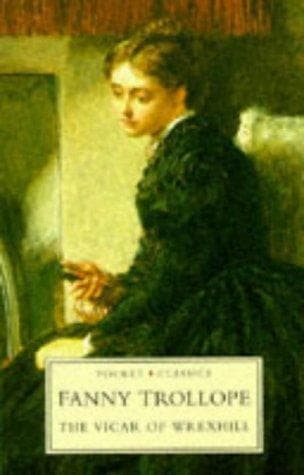
Clergy -- Fiction; Great Britain -- Fiction; Religious fiction
The feelings of Mrs. Mowbray for many hours amounted to agony; for till
a medical gentleman who examined the body at length succeeded in
convincing her that she was mistaken, she felt persuaded that her
beloved husband owed his death to her neglect, and that if, when she
mistook his unintelligible speech for sleepiness, she had discovered his
condition, and caused him to be bled, his precious life might have been
saved. It was evident, however, from many circumstances, that the
seizure was of a nature not to be baffled or parried by art; and the
relief this conviction at length afforded the widow was so great, that
her having first formed a contrary opinion was perhaps a blessing to
her.
The grief of Charles was that of a young, ardent, and most affectionate
spirit; but his mother and his sisters now seemed to hang upon him
wholly, and the Being who alone can read all hearts only knew how deep
was the sorrow he felt. The young Fanny, stealing away to her chamber,
threw herself, in an agony of tears, upon her bed, and, forgotten in the
general dismay that had fallen upon all, wept herself into a sleep that
lasted till she awakened on the following morning to a renewed sense of
sorrow which came over her like the dreadful memory of some frightful
dream.
But of all those whom poor Mowbray had left to deplore his loss, it was
Helen--his darling Helen--who unquestionably felt it the most
profoundly. His love for her had all that is most touching in
partiality, without one atom of the injustice which renders such a
feeling criminal; and its effect upon her loving and enthusiastic temper
was stronger than any words can describe.
Miss Torrington was perhaps beyond any other member of the family aware
of this, and the tenderest pity for the silent, suffering Helen took
possession of her. She was in truth a looker-on upon the melancholy
scene, and as such, was more qualified to judge how sorrow worked in
each of them than any other could be. Her residence in the family,
though sufficient to impress her with the kindest feelings towards its
chief, and the deepest impression of his worth, had hardly been long
enough to awaken thoroughly her affections towards him, and she wept
more in pity for those around her than from any personal feeling of
grief for the loss she had herself sustained. To soothe poor Helen, to
lead her thoughts even for a moment from the subject that engrossed
them, and to keep her as much as possible from gazing in vain tenderness
and hopeless agony upon the body of her father, became the sole
occupation of Rosalind during the dreadful interval between the real
loss of the beloved being to whom the soul of his child still fondly
clung, and the apparently more final separation still which took place
when all that was left of him was borne from the house.
Public-domain text, read in full here on John Shaqi.
Reviews
Reviews
No reviews yet
Be the first to share your thoughts on this work.
Join the Discussion
Join the discussion
Sign in to leave a comment or review.
Sign InorCreate an account