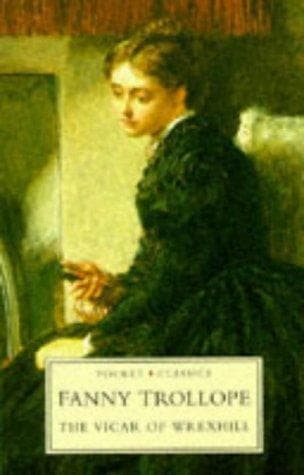
Clergy -- Fiction; Great Britain -- Fiction; Religious fiction
Among the females he had been particularly successful; and, indeed, the
proportion of the fair sex who are found to embrace the tenets which
this gentleman and his sect have introduced in place of those of the
Church of England, is so great, that, as their faith is an exclusive
one, it might be conjectured that the chief object of the doctrine was
to act as a balance-weight against that of Mahomet, who, atrocious
tyrant as he was, shut the gates of heaven against all woman-kind
whatsoever; were it not that an occasional nest of he-saints may here
and there be found,--sometimes in a drum-profaned barrack, and sometimes
in a cloistered college, which show that election is not wholly confined
to the fair. There are, however, some very active and inquiring persons
who assert, that upon a fair and accurate survey throughout England and
Wales, Ireland, Scotland, and the Town of Berwick-upon-Tweed, no greater
number of this sect can be found of the masculine gender than may
suffice to perform the duties of ministers, deputy ministers,
missionaries, assistant missionaries, speech-makers both in and out of
parliament, committee-men, and such serious footmen, coachmen, butchers,
and bakers, as the fair inhabitants of the Calvinistic heaven require to
perform the unfeminine drudgery of earth.
It was in consequence of this remission in the vicar's labours for the
regeneration of Fanny, that Charles Mowbray still treated him with the
respect due to the clergyman of his parish. Rosalind felt it quite
impossible to describe to him all she had seen, and her promise to
Henrietta forbade her to repeat what she had heard; so that young
Mowbray, though he disapproved of the puritanic innovations of Fanny's
toilet, and so much disliked Mr. Cartwright's extempore preaching as to
have decided upon attending divine service at Oakley church for the
future, to avoid hearing what he considered as so very indecent an
innovation, he was still quite unaware of Rosalind's real motives for
recalling him, though extremely well inclined to think her right in
having done so.
Miss Torrington and Helen left the room very soon after the two
gentlemen entered it. Henrietta, with the stealthy step of a cat,
followed them, and young Mowbray felt strongly tempted to do the like;
but was prevented, not so much by politeness perhaps, as by curiosity to
ascertain, if possible, the terms on which both these gentlemen stood
with his mother.
But it was not possible. As long as he remained with them, the very
scanty conversation which took place was wholly on uninteresting
subjects; and Charles at length left the room, from feeling that it was
not his mother's pleasure to talk to the attorney of the business that
he presumed must have brought him there, as long as he remained in it.
Public-domain text, read in full here on John Shaqi.
Reviews
Reviews
No reviews yet
Be the first to share your thoughts on this work.
Elsewhere in the archive
Join the Discussion
Join the discussion
Sign in to leave a comment or review.
Sign InorCreate an account