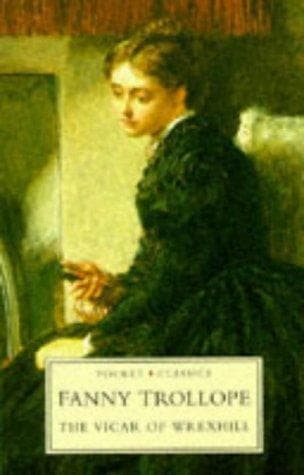
Clergy -- Fiction; Great Britain -- Fiction; Religious fiction
Meanwhile, Charles sought Helen and her friend. Far, however, from
wishing to impart to them the painful impression he had received, his
principal object in immediately seeking them was, if possible, to forget
it. He found the four girls together in the conservatory, and, affecting
more gaiety than he felt, exclaimed, "How many recruits shall I get
among you to join me in a walk to Wrexhill? One, two, three, four!
That's delightful! Make haste; bonnet and veil yourselves without delay:
and if we skirt round the plantations to the lodge, we shall escape
being broiled, for the lanes are always shady."
When he had got his convoy fairly under weigh, they began to make
inquiries as to what he was going to do at Wrexhill. "I will tell you,"
he replied, "if you will promise not to run away and forsake me."
They pledged themselves to be faithful to their escort, and he then
informed them, that it was his very particular wish and desire to pay
sundry visits to the _beau monde_ of Wrexhill.
"It is treason to the milliner not to have told us so before, Charles,"
said Helen; "only look at poor Fanny's little straw-bonnet, without even
a bow to set it off. What will Mrs. Simpson think of us?"
"I assure you, Helen," said Fanny, "that if I had known we were going to
visit all the fine people in the county, I should have put on no other
bonnet; and as for Mrs. Simpson, I believe you are quite mistaken in
supposing she would object to it. I hope she has seen the error of her
ways, as well as I have, Charles; and that we shall never more see her
dressed like a heathenish woman, as she used to do."
"Oh Fanny! Fanny!" exclaimed Charles, laughing. "How long will this
spirit vex you."
Fortunately, however, for the harmony of the excursion, none of the
party appeared at this moment inclined to controversy, and the subject
dropped. Instead, therefore, of talking of different modes of faith, and
of the bonnets thereunto belonging, the conversation turned upon the
peculiar beauty of the woodland scenery around Wrexhill; and Miss
Cartwright, as almost a stranger, was applied to for her opinion of it.
"I believe I am a very indifferent judge of scenery," she replied. "The
fact is, I never see it."
"Do you not see it now?" said Rosalind. "Do you not see that beautiful
stretch of park-like common, with its tufts of holly, its rich groups of
forest-trees, with their dark heavy drapery of leaves, relieved by the
light and wavy gracefulness of the delicate and silvery birch? and,
loveliest of all, do you not see that stately avenue of oaks, the turf
under them green in eternal shade, and the long perspective, looking
like the nave of some gigantic church?"
Rosalind stood still as she spoke, and Henrietta remained beside her.
They were descending the bit of steep road which, passing behind the
church and the vicarage, led into the village street of Wrexhill, and
the scene described by Miss Torrington was at this point completely
given to their view.
Public-domain text, read in full here on John Shaqi.
Reviews
Reviews
No reviews yet
Be the first to share your thoughts on this work.
Elsewhere in the archive
Join the Discussion
Join the discussion
Sign in to leave a comment or review.
Sign InorCreate an account