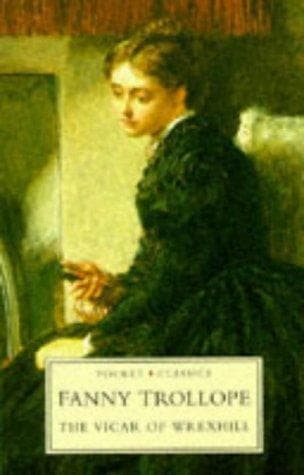
Clergy -- Fiction; Great Britain -- Fiction; Religious fiction
Helen, his eldest sister, was a fair creature of nineteen, whose history
had hitherto been, and was probably ever doomed to be, dependant upon
her affections. As yet, these had been wholly made up of warm and
well-requited attachment to her own family; but few people capable of
loving heartily are without the capacity of suffering heartily also, if
occasion calls for it, and this strength of feeling rarely leaves its
possessor long in the enjoyment of such pure and unmixed felicity as
that which shone in Helen's hazel eye as she threw her arms around her
brother's neck, and wished him a thousand and a thousand times joy!
Fanny Mowbray, the youngest of the family, wanted three months of
sixteen. Poets have often likened young creatures of this age to an
opening rose-bud, and it was doubtless just such a being as Fanny
Mowbray that first suggested the simile. Any thing more bright, more
delicate, more attractive in present loveliness, or more full of promise
for loveliness more perfect still, was never seen.
In addition to this surprising beauty of form and feature, she possessed
many of those qualities of mind which are attributed to genius.
Meditative and imaginative in no common degree, with thoughts
occasionally both soaring and profound, she passed many hours of her
existence in a manner but little understood by her family--sometimes
devouring with unwearying ardour the miscellaneous contents of the large
library, and sometimes indulging in the new delight of pouring forth her
own wild, rambling thoughts in prose or rhyme. Unfortunately, the
excellent governess who had attended the two girls from the time that
Helen attained her eighth year died when Fanny was scarcely fourteen;
and the attachment of the whole family being manifested by a general
declaration that it would be impossible to permit any one to supply her
place, the consequence was, that the cadette of the family had a mind
less well and steadily regulated than it might have been, had her good
governess been spared to her a few years longer.
Though so many persons were expected before night to share the
hospitalities of Mowbray Park, that, notwithstanding the ample size of
its mansion, both the lady and her housekeeper were obliged to exert
considerable skill in arranging their accommodation, there was but one
person besides the family present at the happy breakfast-table; and she
was not a guest, but an inmate.
Public-domain text, read in full here on John Shaqi.
Reviews
Reviews
No reviews yet
Be the first to share your thoughts on this work.
Join the Discussion
Join the discussion
Sign in to leave a comment or review.
Sign InorCreate an account