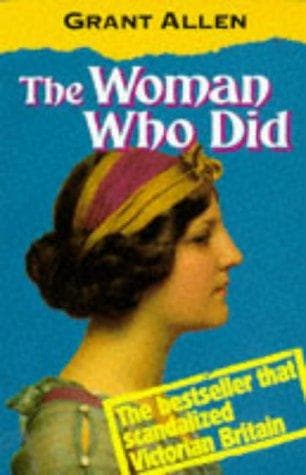
Domestic fiction; England -- Fiction; Feminists -- Fiction; Mothers and daughters -- Fiction; Women -- England -- Fiction
And then, intermixed with these higher motives, came others that he
hardly liked to confess to himself where Herminia was concerned, but
which nevertheless would obtrude themselves, will he, nill he, upon
him. What would other people say about such an innocent union as
Herminia contemplated? Not indeed, “What effect would it have upon his
position and prospects?” Alan Merrick’s place as a barrister was fairly
well assured, and the Bar is luckily one of the few professions in
lie-loving England where a man need not grovel at the mercy of the
moral judgment of the meanest and grossest among his fellow-creatures,
as is the case with the Church, with medicine, with the politician, and
with the schoolmaster. But Alan could not help thinking all the same
how people would misinterpret and misunderstand his relations with the
woman he loved, if he modelled them strictly upon Herminia’s wishes. It
was hateful, it was horrible to have to con the thing over, where that
faultless soul was concerned, in the vile and vulgar terms other people
would apply to it; but for Herminia’s sake, con it over so he must; and
though he shrank from the effort with a deadly shrinking, he
nevertheless faced it. Men at the clubs would say he had seduced
Herminia. Men at the clubs would lay the whole blame of the episode
upon him; and he couldn’t bear to be so blamed for the sake of a woman,
to save whom from the faintest shadow of disgrace or shame he would
willingly have died a thousand times over. For since Herminia had
confessed her love to him yesterday, he had begun to feel how much she
was to him. His admiration and appreciation of her had risen
inexpressibly. And was he now to be condemned for having dragged down
to the dust that angel whose white wings he felt himself unworthy to
touch with the hem of his garment?
And yet, once more, when he respected her so much for the sacrifice she
was willing to make for humanity, would it be right for him to stand in
her way, to deter her from realising her own highest nature? She was
Herminia just because she lived in that world of high hopes, just
because she had the courage and the nobility to dare this great thing.
Would it be right of him to bring her down from that pedestal whereon
she stood so austere, and urge upon her that she should debase herself
to be as any other woman—even as Ethel Waterton? For the Watertons had
brought him there to propose to Ethel.
Public-domain text, read in full here on John Shaqi.
Reviews
Reviews
No reviews yet
Be the first to share your thoughts on this work.
Join the Discussion
Join the discussion
Sign in to leave a comment or review.
Sign InorCreate an account