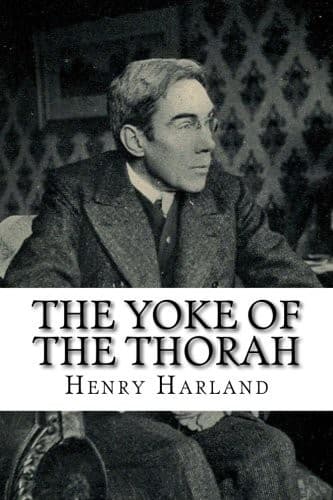
Jews -- Fiction; Man-woman relationships -- Fiction; New York (N.Y.) -- Fiction
are you, needing perhaps some little service: and yet if we were upon
different planets, it could not be more impossible for me ever to lift
my finger in your aid! Oh, I say, it is infuriating. It is too much. Oh,
if I could tear open my breast, and let you look in, and see!--see the
love, the remorse, the despair, that are stirring in perpetual fever
there.. . . Oh, the misery I caused you! The long, hateful days that you
had to drag through afterward, while I was amusing myself, dining out,
learning to dance, getting engaged and married! Far and wide, as far as
your eye could see, the world, which had been a fair and fragrant garden
in your sight, had crumbled suddenly to a bleak waste of dust and ashes.
The hand that you loved had dealt you a blow worse than a death-blow.
You had entrusted your happiness to me, and I had betrayed my trust;
had taken it, and deliberately dashed it to the ground, and shattered it
beyond possibility of mending. My frail, beautiful lady. Yes, if I had
stabbed you with a knife, I should not have been so brutal, so base,
so cruel; your pain would not have been so great; I should have less to
reproach myself with to-day. Yes, I know it.”
*****
But, the reader may curiously ask, how about his theology? his belief
that it had been the act of heaven? This question he touches upon only
incidentally, and disposes of briefly: “In the light of my resuscitated
love, the mere remembrance of that blasphemous delusion filled me with
loathing for myself--made me shudder, and draw back, sickened. It was a
monstrous lie. I can not bring myself to write about it.” And on another
page, he says: “My superstition was the dragon, whose breath poisoned
our joy, withered our world, burned out our hearts. The dragon was
killed at last, but too late--after its ravages had been accomplished,
after it had done its worst.”
I may seize this opportunity, also, to request that if Elias is not
always so scrupulous about his syntax and rhetoric as one might wish,
the reader will charitably pardon him, in view of the high degree of
mental excitement under which he is manifestly laboring.
*****
Public-domain text, read in full here on John Shaqi.
Reviews
Reviews
No reviews yet
Be the first to share your thoughts on this work.
Elsewhere in the archive
Join the Discussion
Join the discussion
Sign in to leave a comment or review.
Sign InorCreate an account