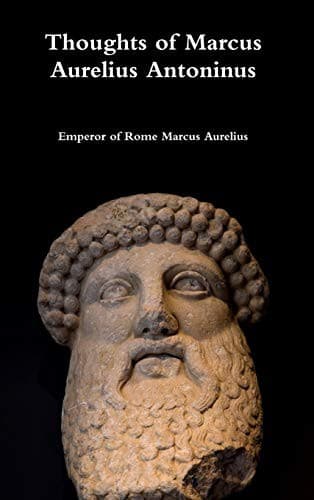
Thoughts of Marcus Aurelius AntoninusMarcus Aurelius, Emperor of Rome
PhilosophyPhilosophy
Thoughts of Marcus Aurelius Antoninus
Marcus Aurelius, Emperor of Rome
Ethics; Life; Marcus Aurelius, Emperor of Rome, 121-180; Stoics
3. Do not despise death, but be well content with it, since this too is
one of those things which nature wills. For such as it is to be young
and to grow old, and to increase and to reach maturity, and to have
teeth and beard and gray hairs, and to beget and to be pregnant and to
bring forth, and all the other natural operations which the seasons of
thy life bring, such also is dissolution. This, then, is consistent with
the character of a reflecting man--to be neither careless nor impatient
nor contemptuous with respect to death, but to wait for it as one of the
operations of nature. As thou now waitest for the time when the child
shall come out of thy wife's womb, so be ready for the time when thy
soul shall fall out of this envelope.[A] But if thou requirest also a
vulgar kind of comfort which shall reach thy heart, thou wilt be made
best reconciled to death by observing the objects from which thou art
going to be removed, and the morals of those with whom thy soul will no
longer be mingled. For it is no way right to be offended with men, but
it is thy duty to care for them and to bear with them gently; and yet to
remember that thy departure will not be from men who have the same
principles as thyself. For this is the only thing, if there be any,
which could draw us the contrary way and attach us to life,--to be
permitted to live with those who have the same principles as ourselves.
But now thou seest how great is the trouble arising from the discordance
of those who live together, so that thou mayst say, Come quick, O death,
lest perchance I, too, should forget myself.
[A] Note 1 of the Philosophy, p. 76.
4. He who does wrong does wrong against himself. He who acts unjustly
acts unjustly to himself, because he makes himself bad.
5. He often acts unjustly who does not do a certain thing; not only he
who does a certain thing.
6. Thy present opinion founded on understanding, and thy present conduct
directed to social good, and thy present disposition of contentment with
everything which happens+--that is enough.
7. Wipe out imagination; check desire: extinguish appetite: keep the
ruling faculty in its own power.
8. Among the animals which have not reason one life is distributed; but
among reasonable animals one intelligent soul is distributed: just as
there is one earth of all things which are of an earthly nature, and we
see by one light, and breathe one air, all of us that have the faculty
of vision and all that have life.
Public-domain text, read in full here on John Shaqi.
Reviews
Reviews
No reviews yet
Be the first to share your thoughts on this work.
Elsewhere in the archive
Join the Discussion
Join the discussion
Sign in to leave a comment or review.
Sign InorCreate an account