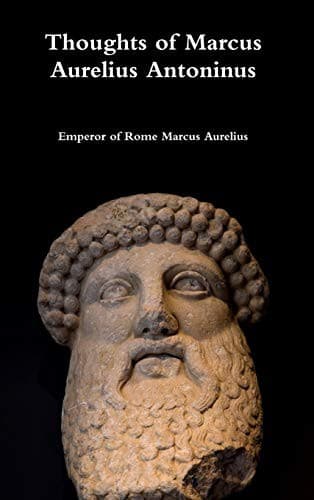
Thoughts of Marcus Aurelius AntoninusMarcus Aurelius, Emperor of Rome
PhilosophyPhilosophy
Thoughts of Marcus Aurelius Antoninus
Marcus Aurelius, Emperor of Rome
Ethics; Life; Marcus Aurelius, Emperor of Rome, 121-180; Stoics
31. When thou hast seen Satyron[A] the Socratic,+ think of either
Eutyches or Hymen, and when thou hast seen Euphrates, think of Eutychion
or Silvanus, and when thou hast seen Alciphron think of Tropaeophorus,
and when thou hast seen Xenophon, think of Crito[B] or Severus, and when
thou hast looked on thyself, think of any other Caesar, and in the case
of every one do in like manner. Then let this thought be in thy mind,
Where then are those men? Nowhere, or nobody knows where. For thus
continuously thou wilt look at human things as smoke and nothing at all;
especially if thou reflectest at the same time that what has once
changed will never exist again in the infinite duration of time. But
thou, in what a brief space of time is thy existence? And why art thou
not content to pass through this short time in an orderly way? What
matter and opportunity [for thy activity] art thou avoiding? For what
else are all these things, except exercises for the reason, when it has
viewed carefully and by examination into their nature the things which
happen in life? Persevere then until thou shalt have made these things
thy own, as the stomach which is strengthened makes all things its own,
as the blazing fire makes flame and brightness out of everything that is
thrown into it.
32. Let it not be in any man's power to say truly of thee that thou are
not simple or that thou art not good; but let him be a liar whoever
shall think anything of this kind about thee; and this is altogether in
thy power. For who is he that shall hinder thee from being good and
simple? Do thou only determine to live no longer unless thou shalt be
such. For neither does reason allow [thee to live], if thou art not
such.[C]
[A] Nothing is known of Satyron or Satyrion; nor, I believe, of
Eutyches or Hymen. Euphrates is honorably mentioned by
Epictetus (iii. 15, 8; iv. 8, 17). Pliny (Epp. i. 10) speaks
very highly of him. He obtained the permission of the Emperor
Hadrian to drink poison, because he was old and in bad health
(Dion Cassius, 69, c. 8).
[B] Crito is the friend of Socrates; and he was, it appears,
also a friend of Xenophon. When the emperor says "seen"
([Greek: idôn]), he does not mean with the eyes.
[C] Compare Epictetus, i. 29, 28.
Public-domain text, read in full here on John Shaqi.
Reviews
Reviews
No reviews yet
Be the first to share your thoughts on this work.
Elsewhere in the archive
Join the Discussion
Join the discussion
Sign in to leave a comment or review.
Sign InorCreate an account