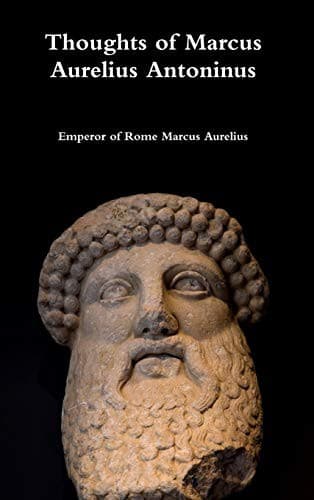
Thoughts of Marcus Aurelius AntoninusMarcus Aurelius, Emperor of Rome
PhilosophyPhilosophy
Thoughts of Marcus Aurelius Antoninus
Marcus Aurelius, Emperor of Rome
Ethics; Life; Marcus Aurelius, Emperor of Rome, 121-180; Stoics
In the time of M. Antoninus the opposition between the old and the new
belief was still stronger, and the adherents of the heathen religion
urged those in authority to a more regular resistance to the invasions
of the Christian faith. Melito in his Apology to M. Antoninus represents
the Christians of Asia as persecuted under new imperial orders.
Shameless informers, he says, men who were greedy after the property of
others, used these orders as a means of robbing those who were doing no
harm. He doubts if a just emperor could have ordered anything so unjust;
and if the last order was really not from the emperor, the Christians
entreat him not to give them up to their enemies.[A] We conclude from
this that there were at least imperial rescripts or constitutions of M.
Antoninus which were made the foundation of these persecutions. The fact
of being a Christian was now a crime and punished, unless the accused
denied their religion. Then come the persecutions at Smyrna, which some
modern critics place in A.D. 167, ten years before the persecution of
Lyon. The governors of the provinces under M. Antoninus might have found
enough even in Trajan's rescript to warrant them in punishing
Christians, and the fanaticism of the people would drive them to
persecution, even if they were unwilling. But besides the fact of the
Christians rejecting all the heathen ceremonies, we must not forget that
they plainly maintain that all the heathen religions were false. The
Christians thus declared war against the heathen rites, and it is hardly
necessary to observe that this was a declaration of hostility against
the Roman government, which tolerated all the various forms of
superstition that existed in the empire, and could not consistently
tolerate another religion, which declared that all the rest were false
and all the splendid ceremonies of the empire only a worship of devils.
Public-domain text, read in full here on John Shaqi.
Reviews
Reviews
No reviews yet
Be the first to share your thoughts on this work.
Join the Discussion
Join the discussion
Sign in to leave a comment or review.
Sign InorCreate an account