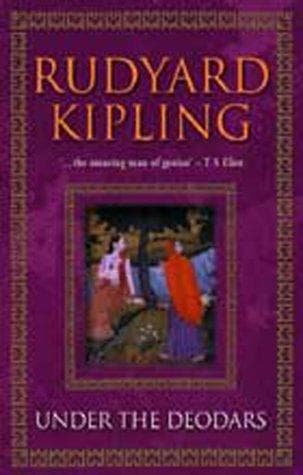
India -- History -- British occupation, 1765-1947 -- Fiction; Short stories, English
Bobby Wick stormed through the tents of his Company, rallying,
rebuking, mildly, as is consistent with the Regulations, chaffing the
faint-hearted; haling the sound into the watery sunlight when there
was a break in the weather, and bidding them be of good cheer for
their trouble was nearly at an end; scuttling on his dun pony round
the outskirts of the camp, and heading back men who, with the innate
perversity of British soldiers, were always wandering into infected
villages, or drinking deeply from rain-flooded marshes; comforting the
panic-stricken with rude speech, and more than once tending the dying
who had no friends the men without ‘townies’; organising, with banjos
and burnt cork, Sing-songs which should allow the talent of the
Regiment full play; and generally, as he explained, ‘playing the giddy
garden-goat all round.’
‘You’re worth half-a-dozen of us, Bobby,’ said Revere in a moment of
enthusiasm. ‘How the devil do you keep it up?’
Bobby made no answer, but had Revere looked into the breast-pocket of
his coat he might have seen there a sheaf of badly-written letters which
perhaps accounted for the power that possessed the boy. A letter came
to Bobby every other day. The spelling was not above reproach, but the
sentiments must have been most satisfactory, for on receipt Bobby’s eyes
softened marvellously, and he was wont to fall into a tender abstraction
for a while ere, shaking his cropped head, he charged into his work.
By what power he drew after him the hearts of the roughest, and the
Tail Twisters counted in their ranks some rough diamonds indeed, was
a mystery to both skipper and C. O., who learned from the regimental
chaplain that Bobby was considerably more in request in the hospital
tents than the Reverend John Emery.
‘The men seem fond of you. Are you in the hospitals much?’ said the
Colonel, who did his daily round and ordered the men to get well with a
hardness that did not cover his bitter grief.
‘A little, sir,’ said Bobby.
‘Shouldn’t go there too often if I were you. They say it’s not
contagious, but there’s no use in running unnecessary risks. We can’t
afford to have you down, y’know.’
Six days later, it was with the utmost difficulty that the post-runner
plashed his way out to the camp with the mail-bags, for the rain was
falling in torrents. Bobby received a letter, bore it off to his tent,
and, the programme for the next week’s Sing-song being satisfactorily
disposed of, sat down to answer it. For an hour the unhandy pen toiled
over the paper, and where sentiment rose to more than normal tide-level,
Bobby Wick stuck out his tongue and breathed heavily. He was not used to
letter-writing.
‘Beg y’ pardon, sir,’ said a voice at the tent door; ‘but Dormer’s
‘orrid bad, sir, an’ they’ve taken him orf, sir.’
‘Damn Private Dormer and you too!’ said Bobby Wick, running the blotter
over the half-finished letter. ‘Tell him I’ll come in the morning.’
Public-domain text, read in full here on John Shaqi.
Reviews
Reviews
No reviews yet
Be the first to share your thoughts on this work.
Join the Discussion
Join the discussion
Sign in to leave a comment or review.
Sign InorCreate an account