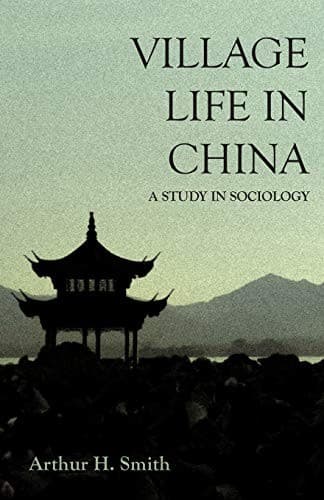
Village Life in China: A Study in SociologySmith, Arthur H.
General
Village Life in China: A Study in Sociology
Smith, Arthur H.
China -- Social life and customs; Villages
Theatre, its origin in China, 54;
little understood by foreigners, 55;
the stage and its equipment, 55, 56;
the theatre an investment, 56, 57;
costumes, 57;
classes of players, 58;
amateurs, 58;
child apprentices, 58, 59;
plays a public benefit, 60, 65;
occasions for giving a play, 60, 61;
cost of presenting it, 61;
the "program bearer," 62;
transporting stage properties, 62;
preparations for a theatre, 62;
used as a device for attracting customers for fairs, 62;
impression made by a play, 63;
plays as a social factor, 63, 64;
a drain upon hosts, 64;
subjects of plays, 66;
synopsis of one, 66-68;
the theatre an index of the Chinese theory of life, 68, 69.
Thieves' action at theatres, 65;
use temples as resorts, 139.
"Thousand Character Classic," 84.
Title deeds often lost, 27.
Torture as a means of raising temple funds, 136.
"Trimetrical Classic" quoted, 78;
origin, 82;
epitomised, 82-84;
its allusions often not understood, 100.
Village hunt, why possible in populous China, 174;
the bald annunciator of the hare-hunt, 175, 176;
the hunt described, 176;
resulting quarrels, 176-178.
Villages, number of in India, 15;
the residence of most Chinese, 15;
irregularly laid out, 21;
how first settled, 21;
streets and alleys, 21;
overcrowding, 21;
village walls and their use, 29;
nearness of one to another, 146, 147;
each village a principality, 226.
"Vinegar sipping," 300.
Wages of farm labourers, 247;
of boys, 247.
Washington and the cherry tree in Chinese, 333-335.
Weddings:
a "joyful event," 179;
wedding contributions, 179;
bride's arrival the essence of the wedding, 180;
exposition of the "share" principle, 180;
account-keeping at weddings, 181;
duties of the wedding committee, 182;
city and village caterers, 182, 183;
three "wedding committees," 183;
"borrowing" provisions, 184;
opium smoking stewards, 184;
poor relatives at weddings, 185;
"drawing friends," 191;
pranks at, 251.
Week, unique survival of the, 192.
Wells, manner of digging, 44, 45;
driven wells, 45;
occasions of feuds, 45;
unpopular people forbidden to use, 45;
Western ideas needed for Chinese well-diggers, 46;
how a force pump was refused by a village, 46-48.
Western Learning Edict, 134, 135.
Wife of Tao-t'ai envying a dog, 262, note.
Woman (See Girls and women).
Women have no name, 241;
terms used, 241.
Writing Chinese very difficult, 87, 88.
Yellow River, "China's Sorrow," 172, 173.
Footnotes:
Public-domain text, read in full here on John Shaqi.
Reviews
Reviews
No reviews yet
Be the first to share your thoughts on this work.
Elsewhere in the archive
Join the Discussion
Join the discussion
Sign in to leave a comment or review.
Sign InorCreate an account