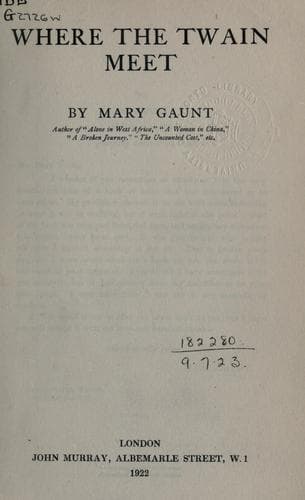
Black people -- Jamaica; Jamaica; Slavery -- Jamaica
Because of the perquisites of the officers, only the healthy slaves were
offered for sale at first, but the sick, injured, and weakly were by no
means wasted. Indeed, even in those hard-bitten times, the disposal of
the sickly slaves was often considered a scandal. They were generally
bought up by speculators who sometimes tended them, sometimes did not,
simply made what they could out of them. If the lot of the healthy
slaves was hard, that of the newly arrived and sickly was terrible, till
death released them from their sufferings. And in every ship we may be
sure there were sick.
I do not find any record of slave risings on the arrival of the ships.
It seems as if the black men, dazed and frightened, unaccustomed to
their new surroundings, submitted quietly enough. It was not until they
were on the estates, had time to look round them, had hoes and knives
and machetes put into their hands, that they realised the comparative
weakness of the whites, and the chance they had of freedom. They might
be met any day, a band of stalwart black savages clad only in loin
cloths, the women, apart with their babies seated on their hips, leading
older children by the hand, marching along the white roads, clambering
up the steep mountain paths to the estate that was to be their
destination, with a white man on horseback following slowly, and one, or
two, or three black drivers, according to the number of the new slaves,
with whips, old slaves who could be trusted, marshalling them. Sometimes
they sang, and always they went better to some sort of music, but I do
not think they were often very rebellious. The first bitterness of the
enslavement had passed. Here was solid ground beneath their feet again,
a companion they were accustomed to, beside them, pleasant sunshine
and a cooling breeze, and it might be worth their while to see what the
future held for them.
Arrived at the estate, the newcomers were very often handed over
individually to some slave accustomed to the plantation, who showed them
the ropes, and possibly heard tales of the country from which he had
been torn long ago.
They were practically dumb these first comers. They did not understand
the language; even the old hands only grasped the words of command, and
though they thoroughly understood the uses to which a knife might be
put, a hoe they would certainly regard as a woman's implement.
Public-domain text, read in full here on John Shaqi.
Reviews
Reviews
No reviews yet
Be the first to share your thoughts on this work.
Elsewhere in the archive
Join the Discussion
Join the discussion
Sign in to leave a comment or review.
Sign InorCreate an account