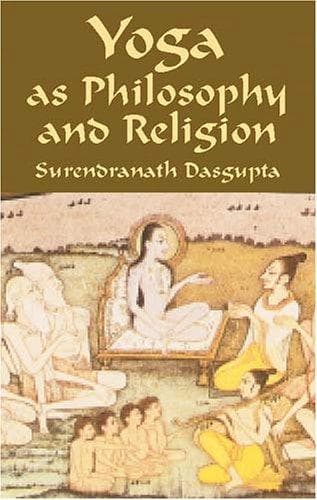
Yoga as philosophy and religionDasgupta, Surendranath
Religion
Yoga as philosophy and religion
Dasgupta, Surendranath
Hindu philosophy; Patañjali; Yoga
samprajñāta samādhi
|
+---------------------+----------------------+
| |
sthūlavishayaka sūkshma vishayaka
(vitarkānugata) |
samādhi +--------+-----+--------------+
+-------------------+ | | |
| | | ānanda asmitā
1. savitarka 2. nirvitarka | or purusha
(with associations (without association |
of name and concept of name) | 5. (ānandānugata) 6. (asmitānugata)
of the object) |
|
tanmātra
vicārānugata
samādhi
|
+---------------+--------------+
| |
3. savicāra 4. nirvicāra
(with association of (without association
name and concept of name, etc. )
of the tanmātras)
Through the nirvicāra state our minds become altogether purified and
there springs the prajñā or knowledge called ṛtambharā or true; this
true knowledge is altogether different from the knowledge which is
derived from the Vedas or from inferences or from ordinary perceptions;
for the knowledge that it can give of Reality can never be had by any
other means, by perception, inference or testimony, for their
communication is only by the conceptual process of generalisations and
abstractions and these can never help us to affirm anything about things
as they are in themselves, which are altogether different from their
illusory demonstrations in conceptual terms which only prevent us from
knowing the true reality. The potency of this prajñā arrests the potency
of ordinary states of consciousness and thus attains stability. When,
however, this prajñā is also suppressed, we have what is called the
state of nirvīja samādhi, at the end of which comes final prajñā leading
to the dissolution of the citta and the absolute freedom of the purusha.
Public-domain text, read in full here on John Shaqi.
Reviews
Reviews
No reviews yet
Be the first to share your thoughts on this work.
Elsewhere in the archive
Join the Discussion
Join the discussion
Sign in to leave a comment or review.
Sign InorCreate an account