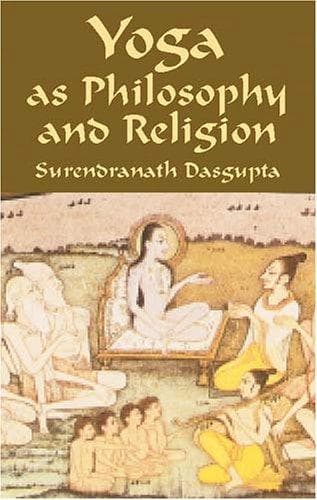
Yoga as philosophy and religionDasgupta, Surendranath
Religion
Yoga as philosophy and religion
Dasgupta, Surendranath
Hindu philosophy; Patañjali; Yoga
The conception of avidyā or nescience is here not negative but has a
definite positive aspect. It means that kind of knowledge which is
opposed to true knowledge (_vidyāviparītaṃ jñānāntaramavidyā_). This is
of four kinds: (1) The thinking of the non-eternal world, which is
merely an effect, as eternal. (2) The thinking of the impure as the
pure, as for example the attraction that a woman’s body may have for a
man leading him to think the impure body pure. (3) The thinking of vice
as virtue, of the undesirable as the desirable, of pain as pleasure. We
know that for a Yogin every phenomenal state of existence is painful
(II. 15). A Yogin knows that attachment (_rāga_) to sensual and other
objects can only give temporary pleasure, for it is sure to be soon
turned into pain. Enjoyment can never bring satisfaction, but only
involves a man further and further in sorrows. (4) Considering the
non-self, e.g. the body as the self. This causes a feeling of being
injured on the injury of the body.
At the moment of enjoyment there is always present suffering from pain
in the form of aversion to pain; for the tendency to aversion from pain
can only result from the incipient memory of previous sufferings. Of
course this is also a case of pleasure turned into pain
(_pariṇāmaduḥkhatā_), but it differs from it in this that in the case of
pariṇāmaduḥkha pleasure is turned into pain as a result of change or
pariṇāma in the future, whereas in this case the anxiety as to pain is a
thing of the present, happening at one and the same time that a man is
enjoying pleasure.
Enjoyment of pleasure or suffering from pain causes those impressions
called saṃskāra or potencies, and these again when aided by association
naturally create their memory and thence comes attachment or aversion,
then again action, and again pleasure and pain and hence impressions,
memory, attachment or aversion, and again action and so forth.
Public-domain text, read in full here on John Shaqi.
Reviews
Reviews
No reviews yet
Be the first to share your thoughts on this work.
Elsewhere in the archive
Join the Discussion
Join the discussion
Sign in to leave a comment or review.
Sign InorCreate an account