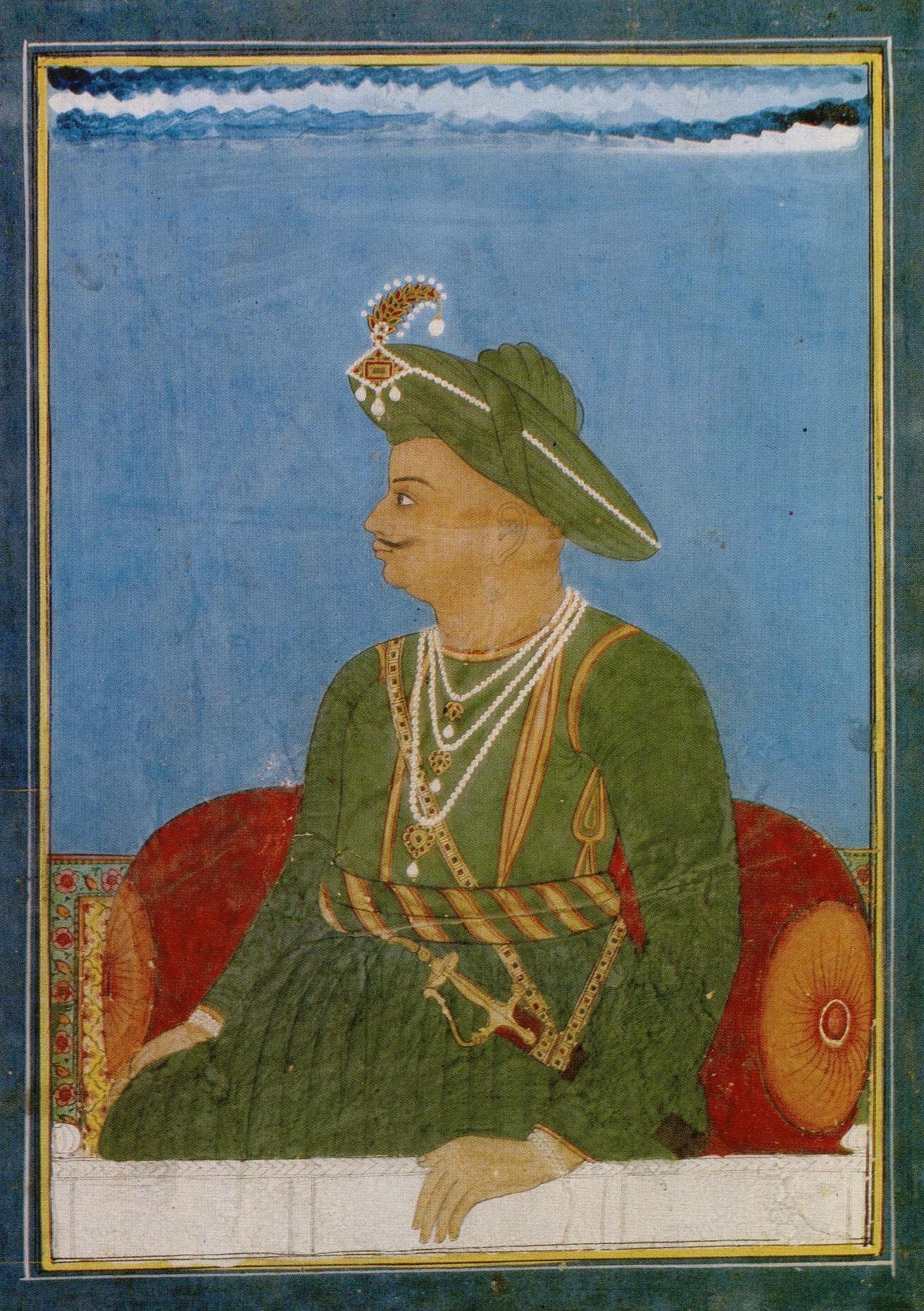
Life
Tipu Sultan succeeded his father Hyder Ali as ruler of Mysore in 1782 and spent his reign resisting British expansion in southern India across a series of wars. A reformer and military innovator, he was killed in 1799 when the British stormed his capital, Seringapatam.
The Struggle
He fought a losing struggle against the overwhelming resources of the British and their Indian allies, losing territory and being forced into humiliating treaties, yet repeatedly rebuilt his forces and sought foreign alliances, including with revolutionary France.
Teachings & Morals
Tipu modernized his army, pioneered the military use of iron-cased rockets (which influenced later European rocketry), reformed administration, coinage, and agriculture, and cultivated the tiger as his emblem. He is remembered in Indian nationalist memory as an early resister of colonial rule.
Wars & Conflicts
He fought the Second, Third, and Fourth Anglo-Mysore Wars, winning early successes (and inflicting the rocket-aided reverses that alarmed the British), before defeats and territorial losses culminated in the final siege of Seringapatam (1799), where he died fighting.
The Debates
Historical figures are debated. What follows records the major questions raised by historians and within the traditions themselves — presented for study, not verdict.
His legacy is sharply contested: celebrated by many as a freedom fighter and moderniser, he is accused by critics of harsh treatment and forced conversions of some Hindu and Christian communities during his campaigns — episodes debated by historians between contemporary hostile accounts and his records of patronage to temples. The debate is today as much political as scholarly.
Legacy
Tipu Sultan became a lasting symbol of resistance to British colonialism in India, and his rockets are remembered as a technological milestone. His contested memory continues to stir debate over how his rule should be judged.