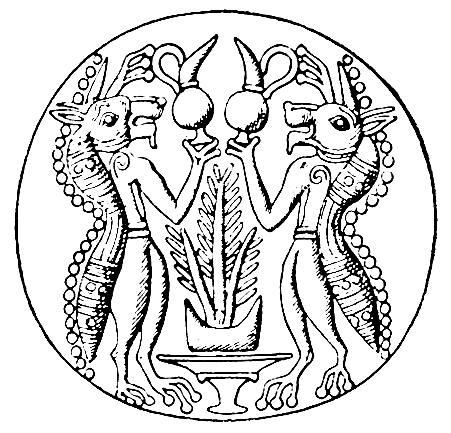
Daimon
In ancient Greek religion, daimon, also spelled daemon, often referred to lesser deities, but could more broadly signify "the experience of divine power". The term's etymology is unclear, though it is often thought to originate from daíō. The Iliad describes the gods congregated atop Olympus as daimones; the term is employed by a Homeric character when they are unaware which deity is the agent of an event. In Hesiod's Works and Days it describes the souls of people from the Golden Age, who acted as guardians, leading to its denoting a spirit who positively or negatively influences an individual's life.
Pantheon: Greek Culture: Ancient Greek Civilization: Ancient Greece Period: 800 BCE – 400 CE
Source: Wikipedia
Sources & Notes
Wikipedia: https://en.wikipedia.org/wiki/Daimon
Discussion
Discussion
No comments yet
Start the discussion — sign in to leave a comment.
Join the Discussion
Join the discussion
Sign in to leave a comment or review.
Sign InorCreate an account