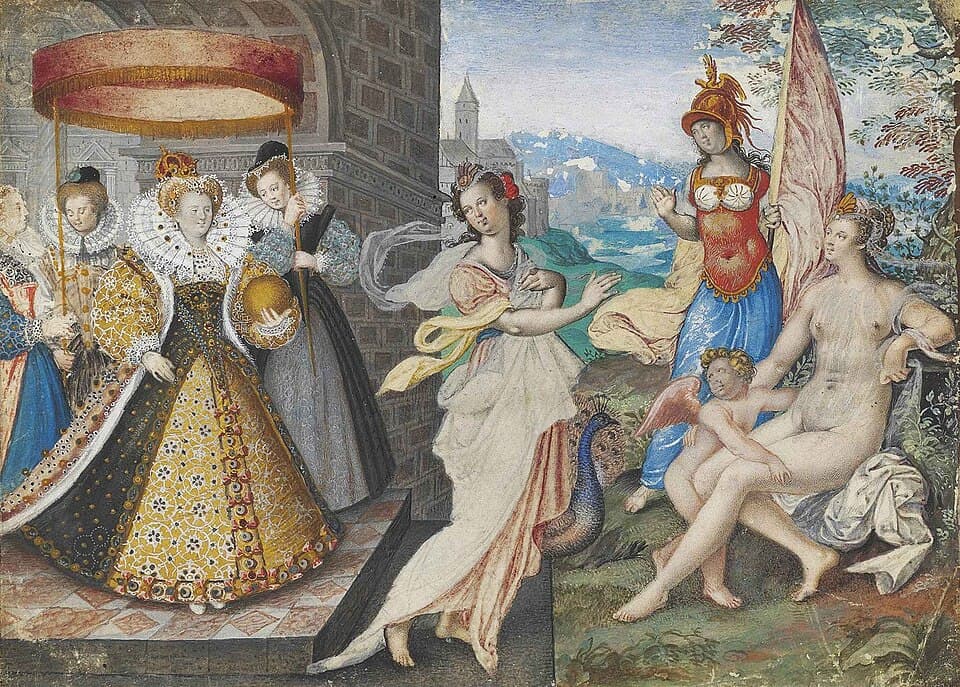
Divinity
Divinity refers to the quality, presence, or nature of that which is divine—a term that, before the rise of monotheism, evoked a broad and dynamic field of sacred power. In the ancient world, divinity was not limited to a single deity or abstract ideal but was recognized in multiple forms: as a radiant attribute possessed by gods, as a vital force cushioning nature, and even as a quality glimpsed in extraordinary humans, laws, or acts. The Latin divinitas and its Greek counterparts conveyed something both immanent and awe-inspiring: a presence that could be felt in thunder, justice, ecstasy, fate, or beauty.
Pantheon: Zoroastrian Culture: Persian Civilization: Ancient Persia Period: 1500 BCE – present
Source: Wikipedia
Sources & Notes
Wikipedia: https://en.wikipedia.org/wiki/Divinity
Discussion
Discussion
No comments yet
Start the discussion — sign in to leave a comment.
Join the Discussion
Join the discussion
Sign in to leave a comment or review.
Sign InorCreate an account