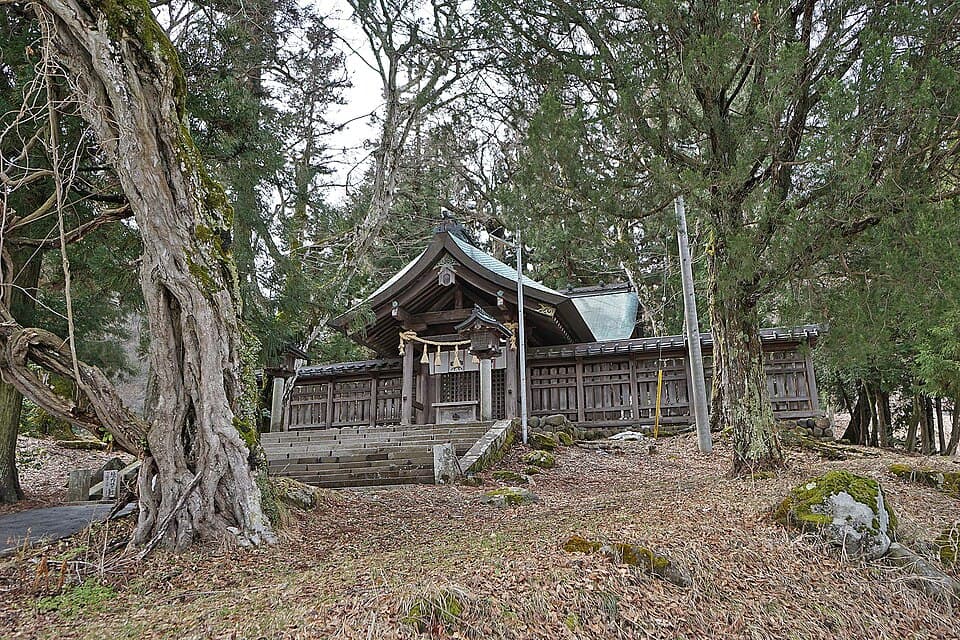
Mishaguji
Mishaguji (御左口神, 御社宮司, 御射宮司, 御社宮神; katakana: ミシャグジ), also known as Misakuji(n), Mis(h)aguchi or Mishakuji among other variants (see below), is a collective term for deities or spirits (kami) venerated in the Suwa region of Nagano Prefecture, particularly associated with the ritual practices of the Upper Shrine (Kamisha) of Suwa Taisha. These spirits once played a key role in the shrine’s winter and spring religious ceremonies and are also enshrined in numerous smaller shrines throughout the region. In these ceremonies, the Kan-no-Osa or Jinchō (神長) — also known as Jinchōkan (神長官) — a high-ranking ritual priest from the Moriya clan, would summon the Mishaguji into vessels (yorishiro), such as individuals or objects, to be temporarily inhabited during the rite. Upon completion, the spirits were ritually dismissed.
Pantheon: Japanese Culture: Japanese (Shinto) Civilization: Japan Period: 300 CE – present
Source: Wikipedia
Sources & Notes
Wikipedia: https://en.wikipedia.org/wiki/Mishaguji
Discussion
Discussion
No comments yet
Start the discussion — sign in to leave a comment.
Join the Discussion
Join the discussion
Sign in to leave a comment or review.
Sign InorCreate an account