Atanua
Atanua in Polynesian mythology is the goddess of the dawn and wife of Atea.
Pantheon
Every entry the archive files to this pantheon, with the record for each shown as it stands.
75 entries
These three are recorded for the Polynesian pantheon as a whole. The archive holds no separate culture, civilization or period for the individual entries below.
Entries
Showing 1–75 of 75, alphabetically.
Atanua in Polynesian mythology is the goddess of the dawn and wife of Atea.
In Polynesian mythology, Atarapa ("daybreak") is the goddess of the dawn and a daughter of Haronga.
Atheism, in the broadest sense, is an absence of belief in the existence of deities. Less broadly, atheism is a rejection of the belief that any deities exist. In an even narrower sense, atheism is specifically the position that there are no deities.
Auahitūroa is a Māori god, the son of Tama-nui-te-rā, personification of comets, and the origin of fire.
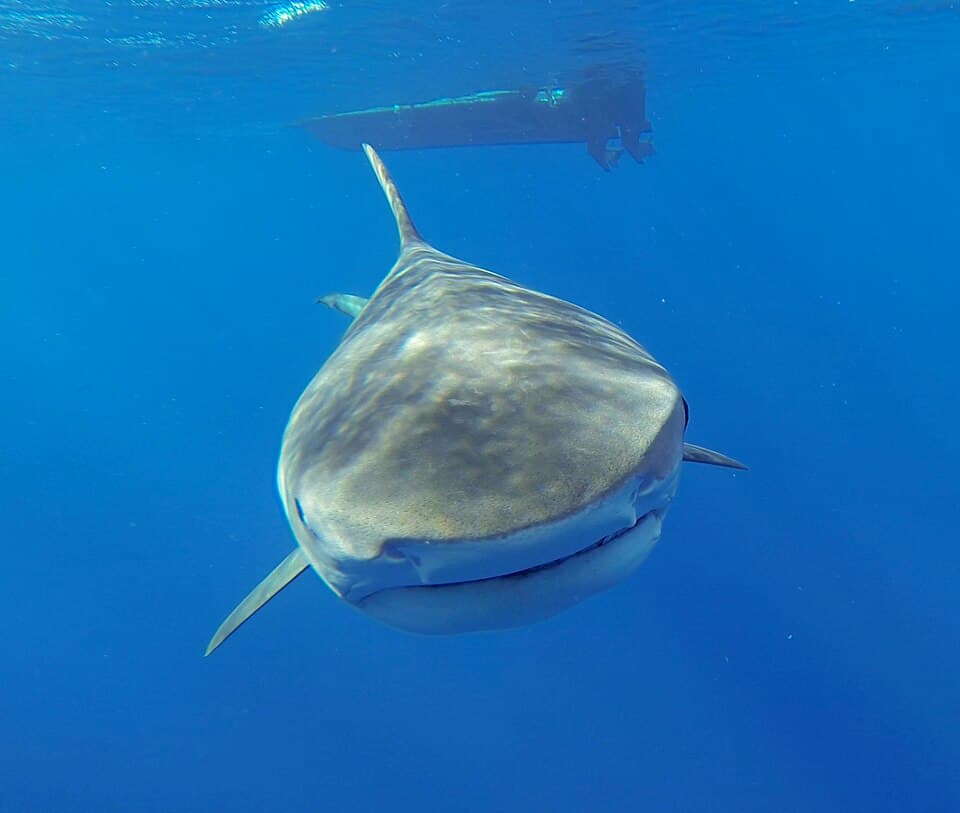
In Hawaiian mythology, an ʻaumakua is a personal or family god that originated as a deified ancestor, and which takes on physical forms such as spirit vehicles. An ʻaumakua may manifest as a shark, owl, bird, octopus, or inanimate objects such as plants or rocks. The word ʻaumakua means ancestor gods and is derived from the Hawaiian words "au", which means period of time or era, and "makua", meaning parent, parent generation, or ancestor.
Spirit possession is an altered state of consciousness and associated behaviors purportedly caused by the control of a human body and its functions by spirits, ghosts, demons, angels, or deities. The concept of spirit possession exists in many cultures and religions, including Buddhism, Christianity, Dominican Vudú, Haitian Vodou, Hinduism, Islam, Judaism, Wicca, and Southeast Asian, African, and Native American traditions. Depending on the cultural context in which it is found, possession may be thought of as voluntary or involuntary and may be considered to have beneficial or detrimental effects on the host.
*Dyḗus, also *Dyḗus ph₂tḗr, is the reconstructed name of the daylight-sky god in Proto-Indo-European mythology. *Dyēus was conceived as a divine personification of the bright sky of the day and the seat of the gods, the *deywṓs. Associated with the vast diurnal sky and with the fertile rains, *Dyēus was often paired with *Dʰéǵʰōm, the Earth Mother, in a relationship of union and contrast.
Faumea is a figure in Polynesian mythology, specifically that of the Tuamotus archipelago of French Polynesia, where she is regarded as an "eel-woman". The sea god Tangaroa encounters her when he sails to her island. In addition to being an eel-woman, Faumea has eels within her vagina which eat men, reflecting the folk concept of vagina dentata.
Haumia-tiketike is the god of all uncultivated vegetative food in Māori mythology. He is particularly associated with the starchy rhizome of the Pteridium esculentum, which became a major element of the Māori diet in former times. He contrasts with Rongo, the god of kūmara and all cultivated food plants.
In the mythology of Tonga, Havea Hikuleʻo is the goddess of the world, Pulotu. The islands of Kao, Tofua, Hunga Haʻapai, Hunga Tonga, Late and Fonualei came from stones thrown down from the skies by Hikuleʻo. They are all volcanic islands.
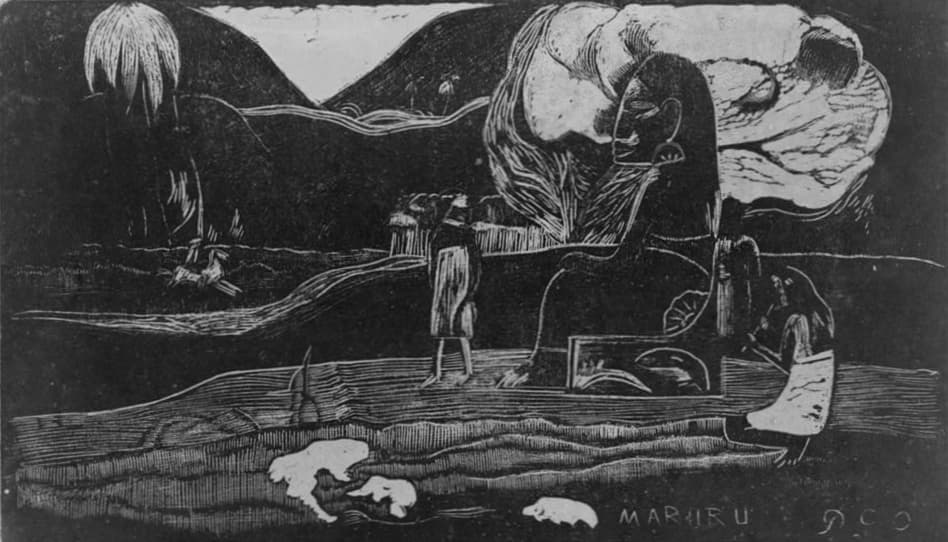
Hina is the name assigned to a number of Polynesian deities. The name Hina usually relates to a powerful female force who has dominion over a specific entity. Some variations of the name Hina include Sina, Hanaiakamalama, and Ina.
In Polynesian mythology, Hine-Tu-Whenua is a kind and beneficent wind goddess. She was very helpful toward sailors and helped them reach their destinations safely. Hineitapapauta is considered her mother.
In Māori and Polynesian mythology, Ikatere, also spelled Ika-tere, is a fish god, the father of all sea creatures, including mermaids.
Io Matua Kore is often understood as the supreme being in Polynesian native religion, particularly of the Māori people.
Kahiko-Lua-Mea is a god in Hawaiian mythology, who was once a chief on the Earth and lived in Olalowaia. He is mentioned in the chant Kumulipo and in the Chant of Kūaliʻi.

In the religion of Kauaʻi, Hawaii, Kahōʻāliʻi is a god sometimes associated with Lua-o-Milu. Kahōʻāliʻi also means King in Hawaiian.

Kaʻahumanu was queen consort and acted as regent of the Hawaiian Kingdom as Kuhina Nui. She was the favorite wife of King Kamehameha I and also the most politically powerful, and continued to wield considerable power as co-ruler in the kingdom during the reigns of his first two successors.

In Hawaiian mythology, Kamapuaʻa is a hog-man fertility superhuman associated with Lono, the god of agriculture. The son of Hina and Kahikiula, the chief of Oahu, Kamapuaʻa was particularly connected with the island of Maui.
In Hawaiian religion, Kamohoaliʻi is a shark god and a brother of Kāne Milohaʻi, Pele, Kapo, Nāmaka, and Hiʻiaka. He is also the father of Nanaue.
In the traditions of ancient Hawaiʻi, Kanaloa is a god symbolized by the squid or by the octopus, and is typically associated with Kāne. It is also an alternative name for the island of Kahoʻolawe.
In Hawaiian mythology, Kāne is considered the highest of the three major Hawaiian deities, along with Kū and Lono. He represented the god of procreation and was worshipped as the ancestor of chiefs and commoners. Kāne is the creator and gives life associated with dawn, sun, and sky.
In Hawaiian mythology, Kāne-milo-hai is the brother of Kāmohoaliʻi, Pele, Kapo, Nāmaka and Hiʻiaka by Haumea.
In Hawaiian mythology, Kāne-milo-hai is the brother of Kāmohoaliʻi, Pele, Kapo, Nāmaka and Hiʻiaka by Haumea.
In Hawaiian mythology, Kanehekili is the brother of Pele and Hiʻiaka by Haumea. He is the god of thunder.
Kāneikokala is a Hawaiian shark god who was worshiped as an ʻaumakua in the Kahikinui district of Maui. He rescued people from canoe wrecks, and the kōkala (transl. porcupinefish) was associated with him.
In Hawaiian religion, Kaulu is a trickster god who killed goddess Haumea at Niuhelewai, by catching her in a net obtained from Makaliʻi. He then killed Lonokaeho, also called Piokeanuenue, king of Koʻolau, by singing an incantation. Kaulu is known for being extremely powerful and strong, both physically and with magic, and he had many adventures in Hawaiian mythology.
According to the Hawaiian mythology, Kawalakiʻi is a name of one male god, but his ancestry in the myth and the attributes are unknown.

Kalanikauikaʻalaneo Kai Keōpūolani-Ahu-i-Kekai-Makuahine-a-Kama-Kalani-Kau-i-Kealaneo (1778–1823) was a queen consort of Hawaiʻi and the highest ranking wife of King Kamehameha I.
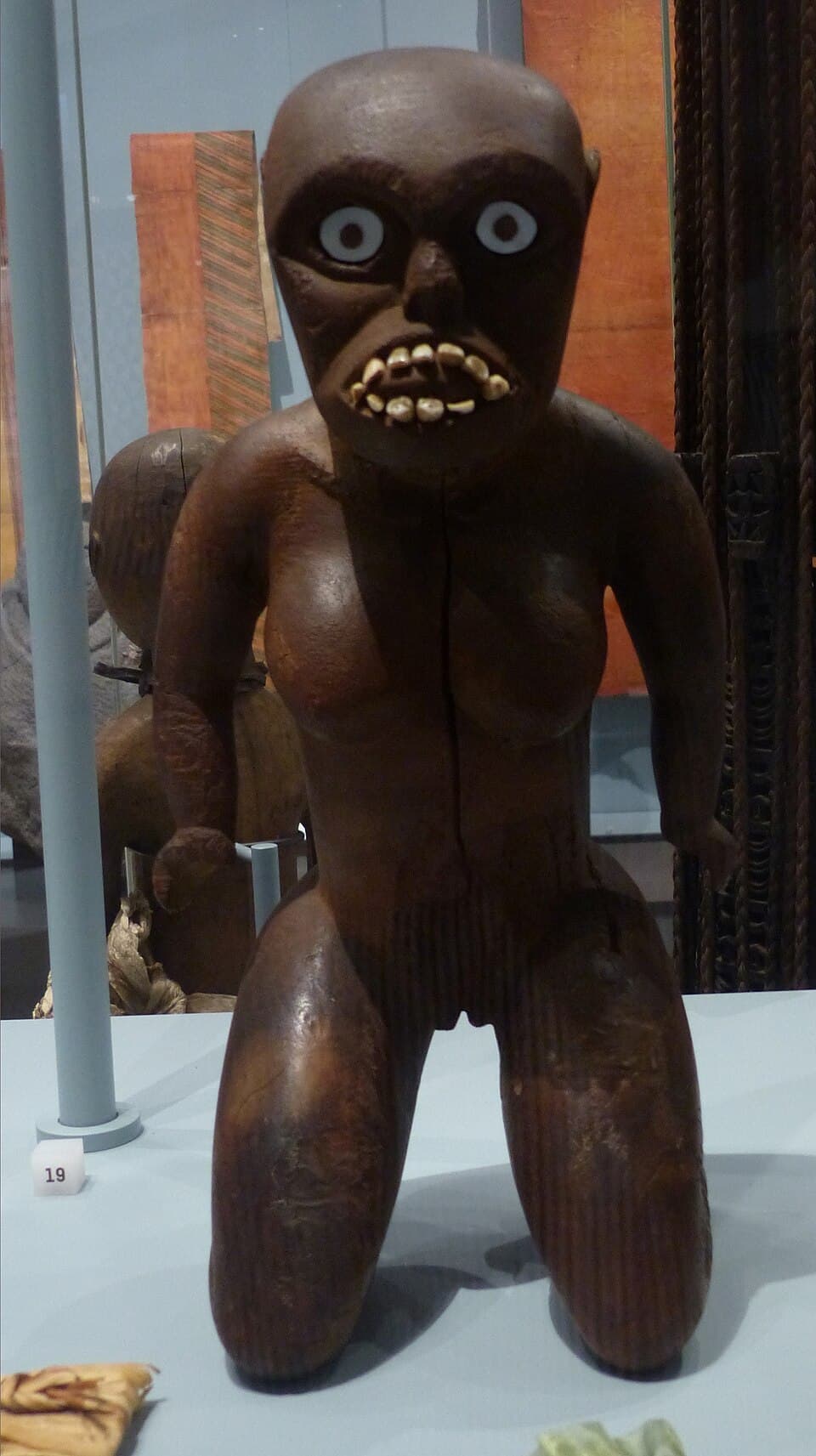
Kihawahine is a Hawaiian shapeshifting lizard goddess (moʻo). When Kihawahine Mokuhinia Kalamaʻula Kalāʻaiheana, the daughter of the powerful sixteenth-century ruling chief of Māui, Piʻilani, and his wife Lāʻieloheloheikawai, died, her bones were deified, transforming her into the goddess. Kihawahine's home is Mokuhinia, a wetland pond on the island of Mokuʻula.

As polytheistic systems evolve, there is a tendency for one deity to achieve preeminence as king of the gods, for example by being their (sky) father. This tendency can parallel the growth of hierarchical systems of political power in which a monarch eventually comes to assume ultimate authority for human affairs. Other gods come to serve in a Divine Council or pantheon; such subsidiary courtier-deities are usually linked by family ties from the union of a single husband or wife, or else from an androgynous divinity who is responsible for the creation.
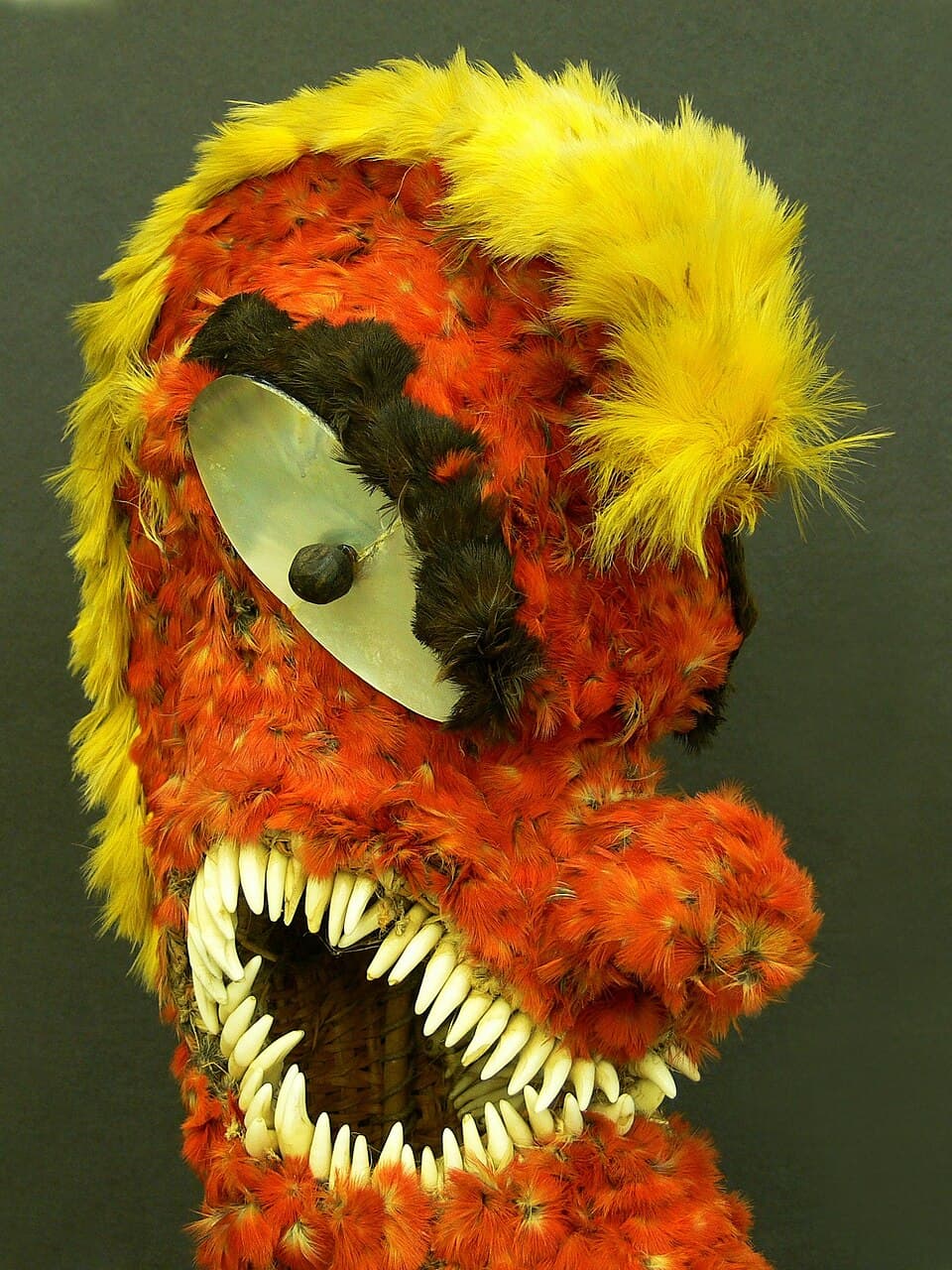
In Hawaiian religion, Kū is one of the four great gods. The other three are Kanaloa, Kāne, and Lono. Some feathered god images or akua hulu manu are considered to represent Kū.
In Hawaiian mythology, Kuhimana was a god of soothsayers.
In Hawaiian mythology, Laʻamaomao is the goddess of the wind, she carried a gourd that contains all the winds of Hawaiʻi, "which could be called forth by chanting their names", the gourd was passed down byLaʻamaomao, the Hawaiian wind goddess, to her granddaughter Laʻamaomao; to her granddaughter's son Pakaʻa; to Pakaʻa's son, Ku-a-Pakaʻa. In "The Triple Marriage of Laa-Mai-Kahiki", Laʻamaomao is described as a god rather than a goddess. He accompanies Moikeha to Hawaiʻi from Kahiki and settles at Hale-o-Lono on the island of Molokaʻi, where he was worshiped as an ʻaumakua, or deity, of the winds.
Leutogi was a Polynesian goddess, originally a Samoan princess later turned goddess, and once worshiped in the Samoan archipelago in the central South Pacific ocean.
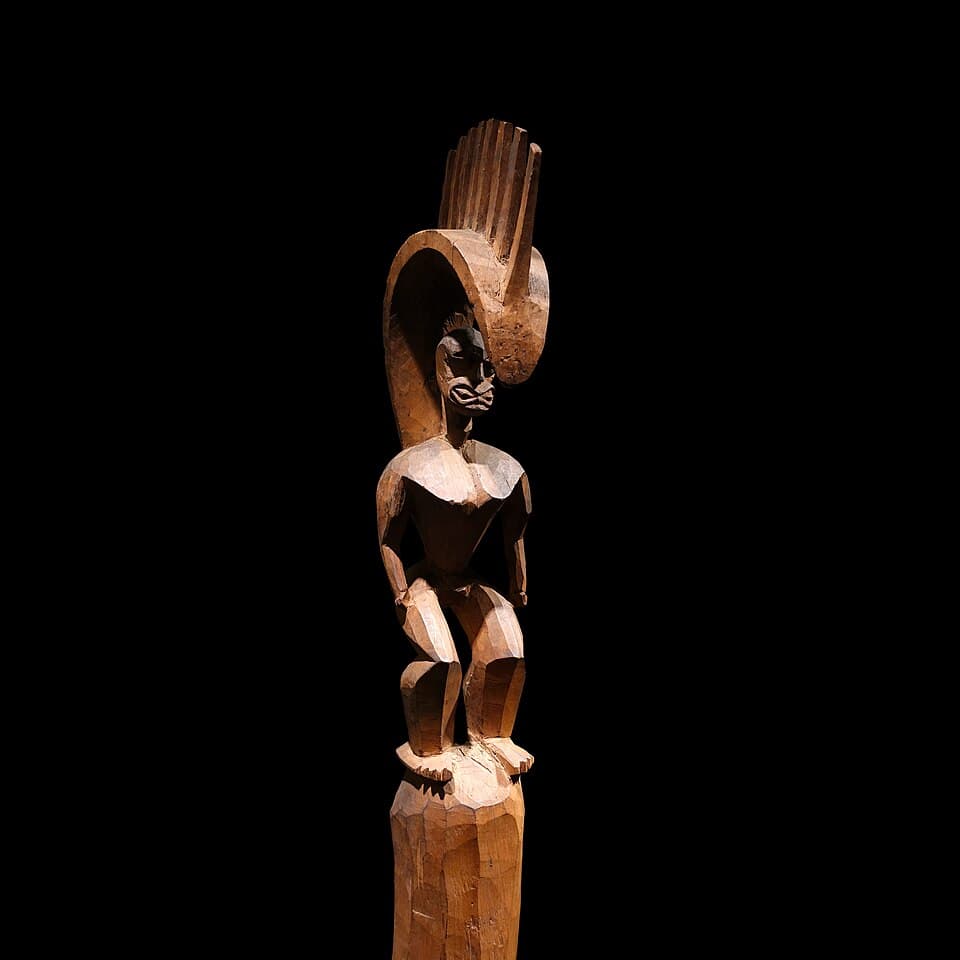
In Hawaiian religion, the god Lono is associated with fertility, agriculture, rainfall, music and peace. In one of the many Hawaiian stories of Lono, he is a fertility and music god who descended to Earth on a rainbow to marry Laka. In agricultural and planting traditions, Lono was identified with rain and food plants.
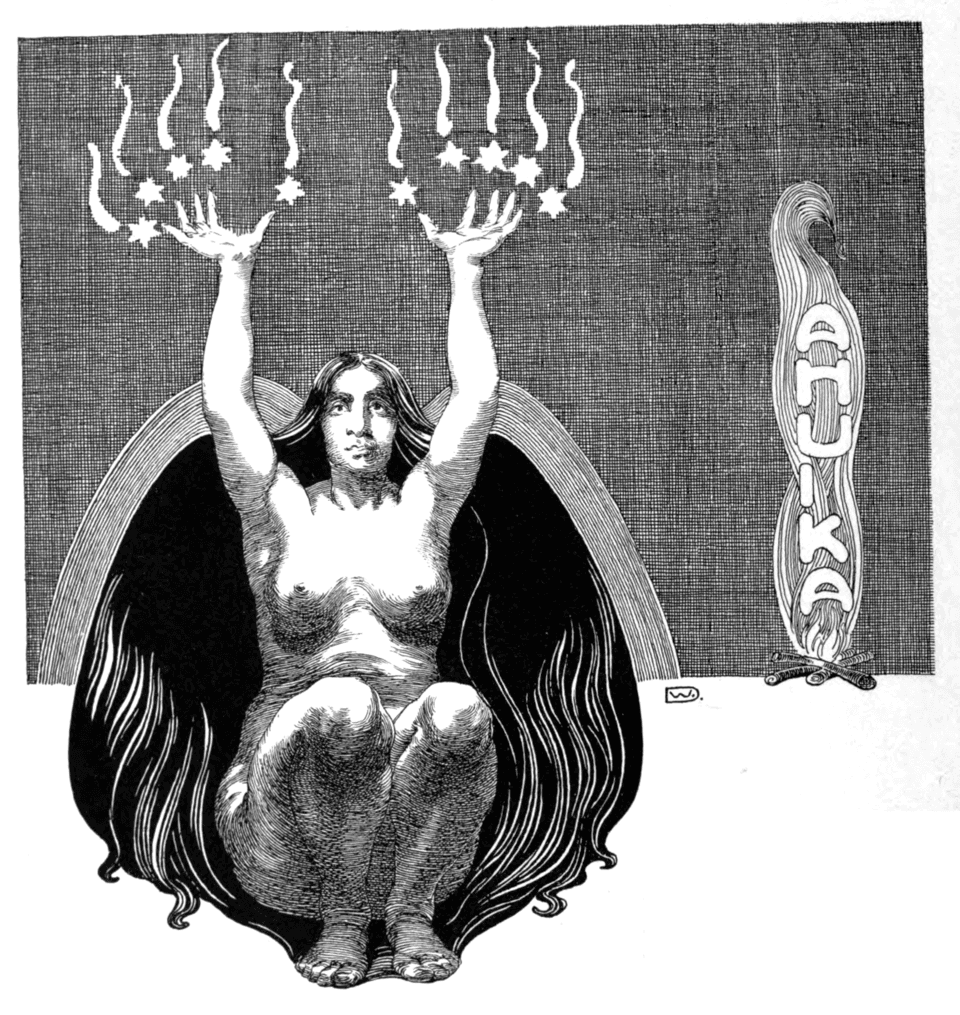
Mahuika is a Māori fire deity and consort of the god Auahitūroa.
In Māori mythology, Makeatutara is the father of Māui. His wife is Taranga. He is a deity and guardian of the underworld.
Mataaho is a Māori deity. Variously considered a god of earthquakes and eruptions, the guardian of the earth's secrets, the god of volcanic forces, or a giant, Mataaho is associated with many of the volcanic features in the Tāmaki Makaurau Region. In traditional Tāmaki Māori myths, Mataaho either creates the volcanic features of the landscape, or requests the gods to create them.
Matuatonga is a Māori stone sculpture on Mokoia Island, Lake Rotorua, New Zealand, which is a mauri (relic) or whakapoko and belongs to Ngāti Whakaue, Ngāti Rangiteaorere, and other tribes of Te Arawa. It is the most famous atua kumara and was traditionally involved in rituals connected to the sowing of the annual kumara crop. The sculpture has a male figure carved on each side, one representing Matuatonga, god of growth, and the other Matuatehe, god of decay.

Mauna Kea is a dormant shield volcano on the island of Hawaiʻi. Its peak is 13,803 feet above sea level, making it the highest point in Hawaii and the island with the second highest high point, behind New Guinea. The peak is about 125 ft (38 m) higher than Mauna Loa, its more massive neighbor.
In Polynesian mythology, Merau is a goddess of death and the underworld.
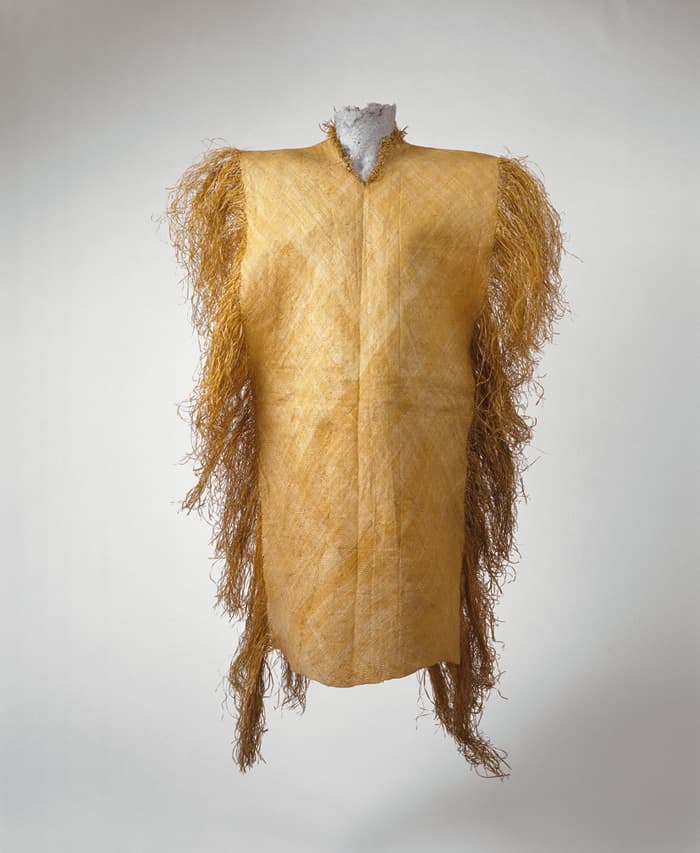
Nafanua was a historical aliʻi and toa (warrior) of Samoa from the Sā Tonumaipeʻa clan, who secured the four pāpā (district) titles, the leading aliʻi titles of Samoa, to become the first Tafaʻifa. Following her death, she was deified as the goddess of war within Polynesian religion.
Nanaue is a demigod from Hawaiian mythology. He is described as a man with the mouth of a shark on his back who can shapeshift into a giant shark.
In Hawaiian mythology, Pakaʻa is the god of the wind and the inventor of the sail.
In the religion and mythology of the ancient Hawaiians, Papahānaumoku — often simply called Papa — is a goddess and the Earth Mother. She is mentioned in the chants as the consort of the sky god Wākea. Their daughter is beautiful goddess Hoʻohōkūkalani, the main character of one myth.
In Hawaiian mythology, Paupueo is the owl god. He sends his owls after the Menehune when they become too uncontrollable.
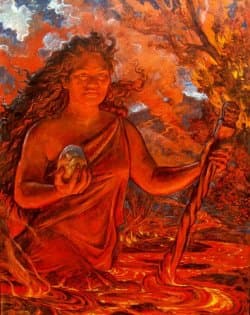
In Hawaiian religion, Pele is the goddess of volcanoes and fire and the creator of the Hawaiian Islands. Often referred to as "Madame Pele" or "Tūtū Pele" as a sign of respect, she is a well-known deity within Hawaiian mythology and is notable for her contemporary presence and cultural influence as an enduring figure from ancient Hawaii. Epithets of the goddess include Pele-honua-mea and Ka wahine ʻai honua.
According to Māori mythology, Pūhaorangi is a celestial being who descended from the heavens to sleep with the beautiful maiden Te Kuraimonoa. From this union came the revered ancestor Ohomairangi.
Raka-maomao or Rakamaomao, in Māori mythology, is a god of wind. He is the god of ordinary winds, in contrast to Tāwhirimātea, who is the god of tempests. To the Waitaha tribe of the South Island, Rakamaomao was the group of winds that blew from the south and north.

In Māori mythology the primal couple Rangi and Papa appear in a creation myth explaining the origin of the world and the Māori people. In some South Island dialects, Rangi is called Raki or Rakinui.
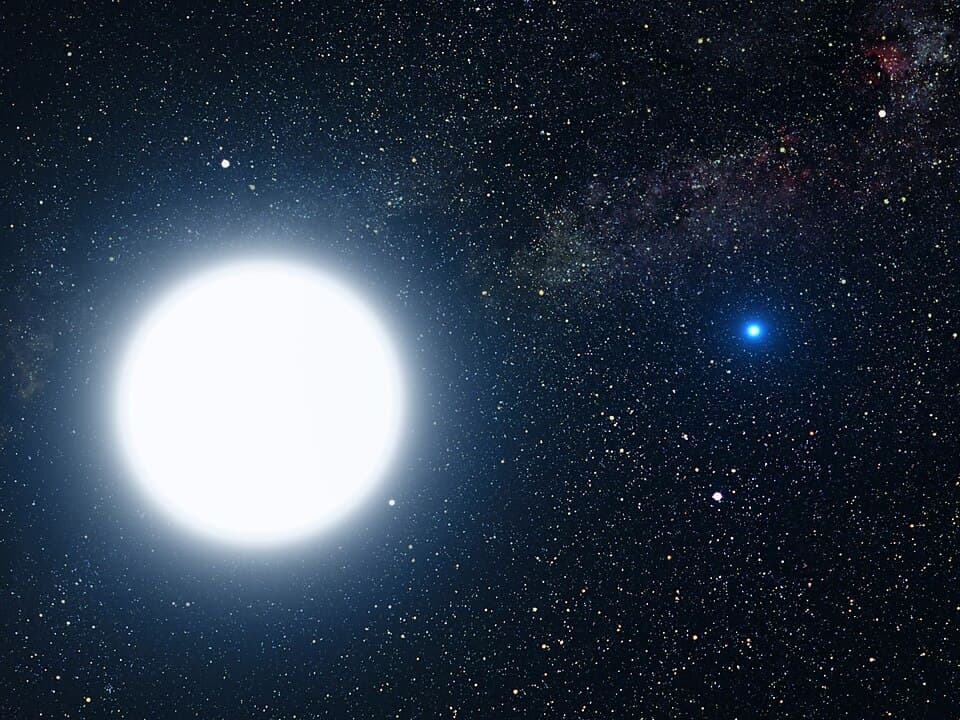
In Māori mythology, Rehua is a very sacred personage, who lives in Te Putahi-nui-o-Rehua in Rangi-tuarea, the tenth and highest of the heavens in some versions of Māori lore. Rehua is identified with certain stars. To the Tūhoe people of the North Island he is Antares.
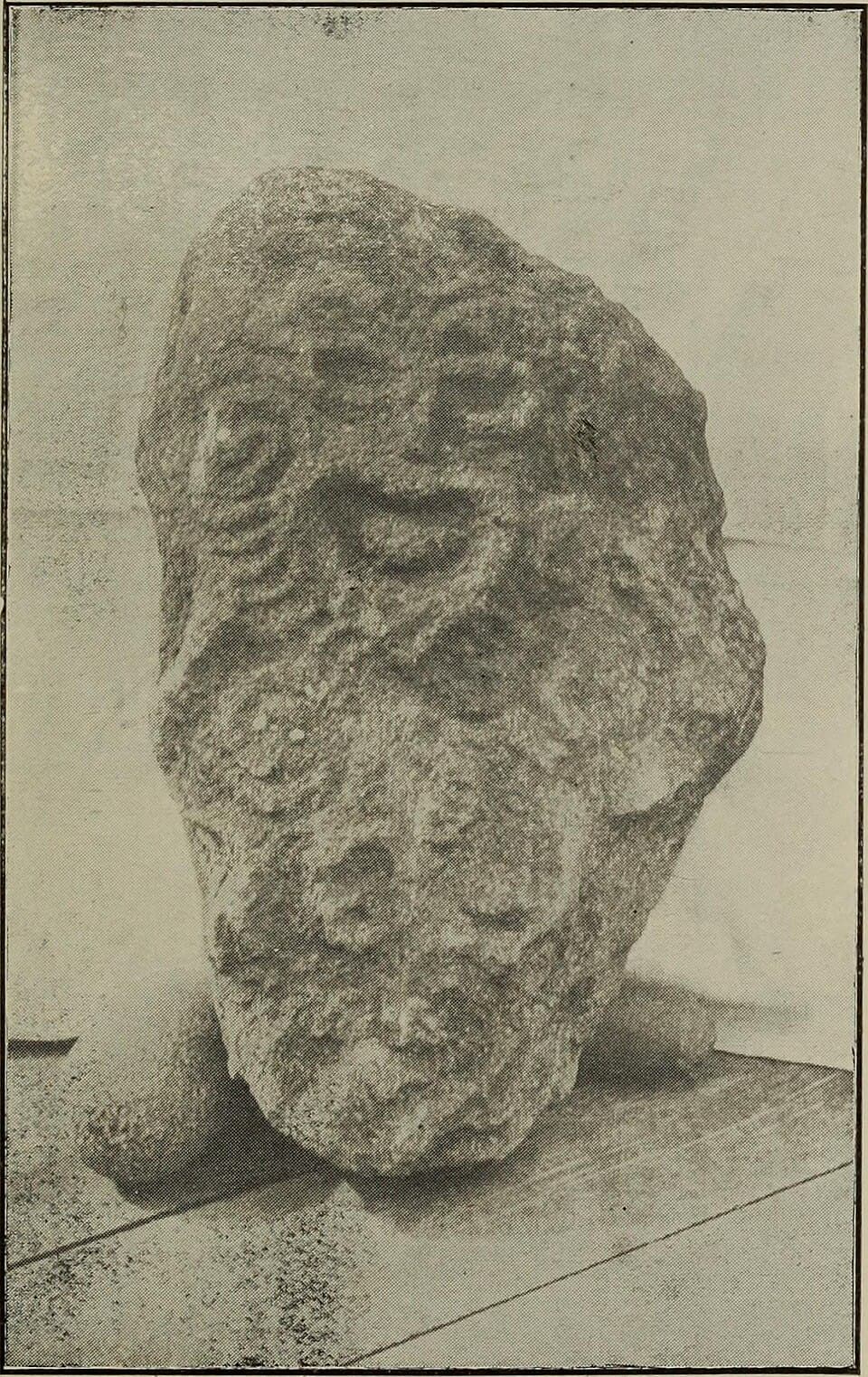
In Māori mythology, Rongo or Rongo-mā-Tāne is a major god (atua) of cultivated plants, especially kūmara, a vital crop. Other crops cultivated by Māori in traditional times included taro, yams (uwhi), cordyline (tī), and gourds (hue). Because of their tropical origin, most of these crops were difficult to grow except in the far north of the North Island, hence the importance of Rongo in New Zealand.
In Māori mythology, Rongomai refers to several entities:a deity by whose assistance Haungaroa traveled from Hawaiki to New Zealand as she went to tell Ngātoro-i-rangi that he had been cursed by Manaia. a being in whale form which attacked and almost wiped out the war-party of Maru. a god of comet.

In Māori mythology, Rūaumoko is the god of earthquakes, volcanoes and seasons. He is the youngest son of Ranginui and Papatūānuku. Māori mythology attributes earthquakes and volcanic activity to his movements and actions within the earth.
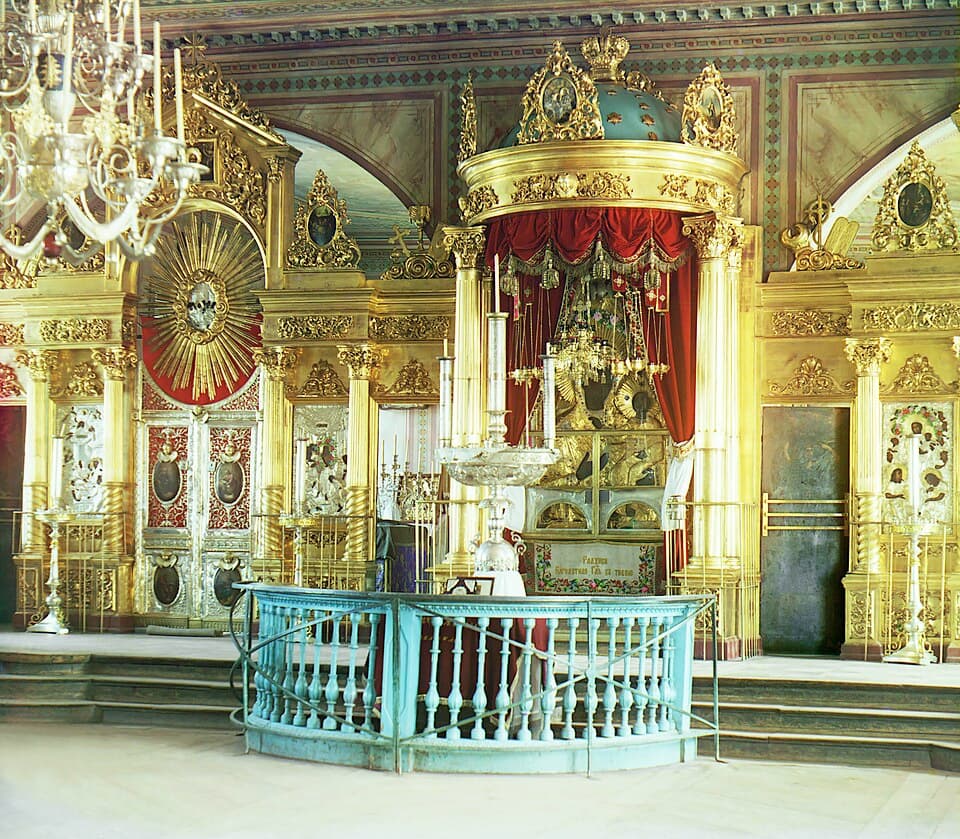
A shrine is a sacred space dedicated to a specific deity, ancestor, hero, martyr, saint, daemon, or similar figure of respect, wherein they are venerated and/or worshipped. Shrines often contain idols, relics, or other such objects associated with the figure being venerated. A shrine at which votive offerings are made is called an altar.
Taema is the name of a female figure referred to in different legends in Samoan mythology.
In Māori mythology, Tama-nui-te-rā (Tamanuiterā) is the personification of the sun.
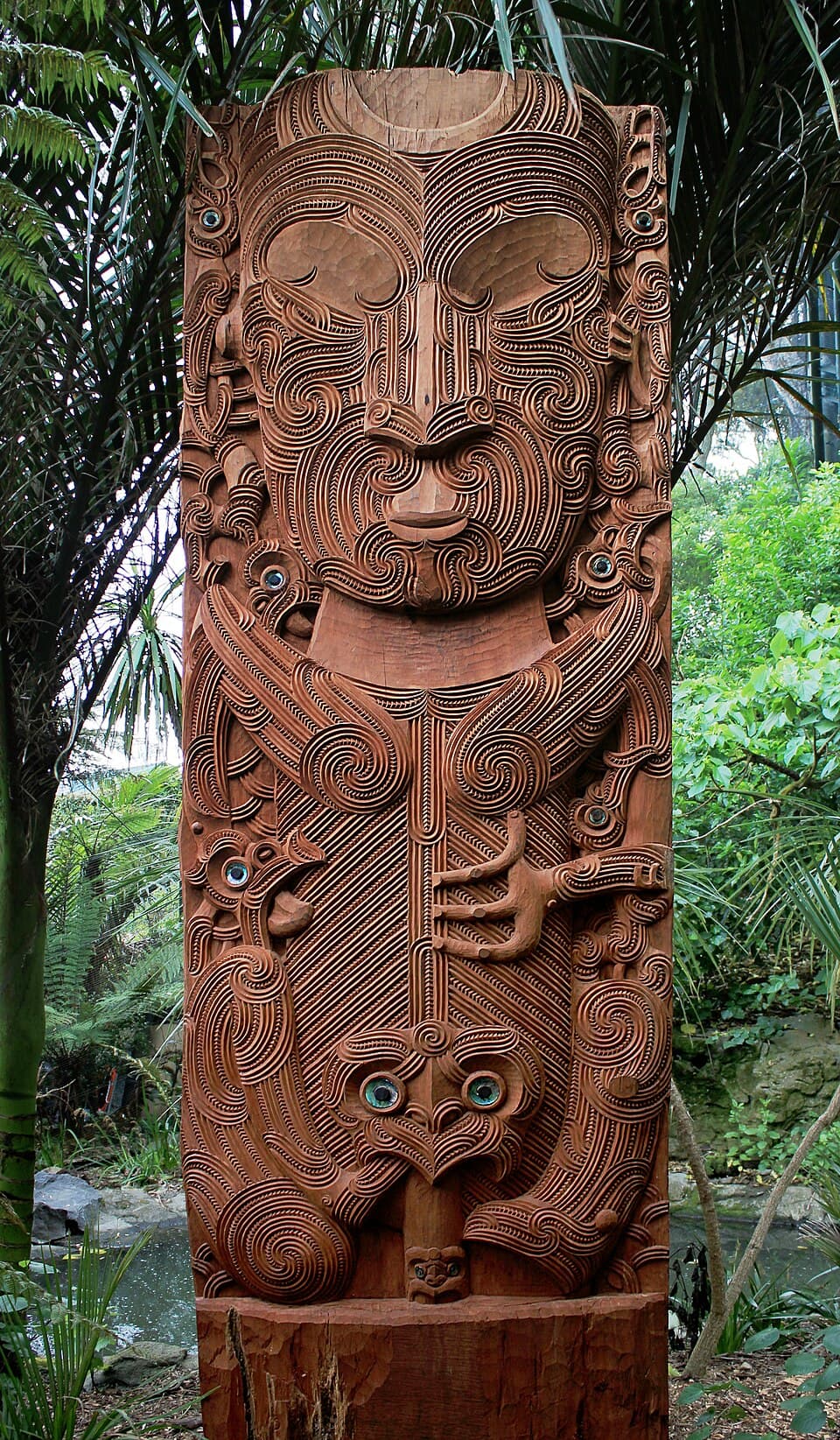
In Māori mythology, Tāne is the god of forests and of birds, and the son of Ranginui and Papatūānuku, the sky father and the earth mother, who used to lie in a tight embrace where their many children lived in the darkness between them.
In Māori mythology, Tane-Rore is the personification of shimmering air as it performs a haka for his mother Hine-raumati.
Tangaroa is the great atua of the sea, lakes, rivers, and creatures that live within them, especially fish, in Māori mythology. As Tangaroa-whakamau-tai, he exercises control over the tides. He is sometimes depicted as a whale.
In Māori mythology, Tangotango was a celestial woman who fell in love with the great hero Tāwhaki and came to earth to become his wife. After bearing him a daughter, Arahuta, they quarreled and she returned to heaven. Tāwhaki and his brother set out on a great adventure to find her.
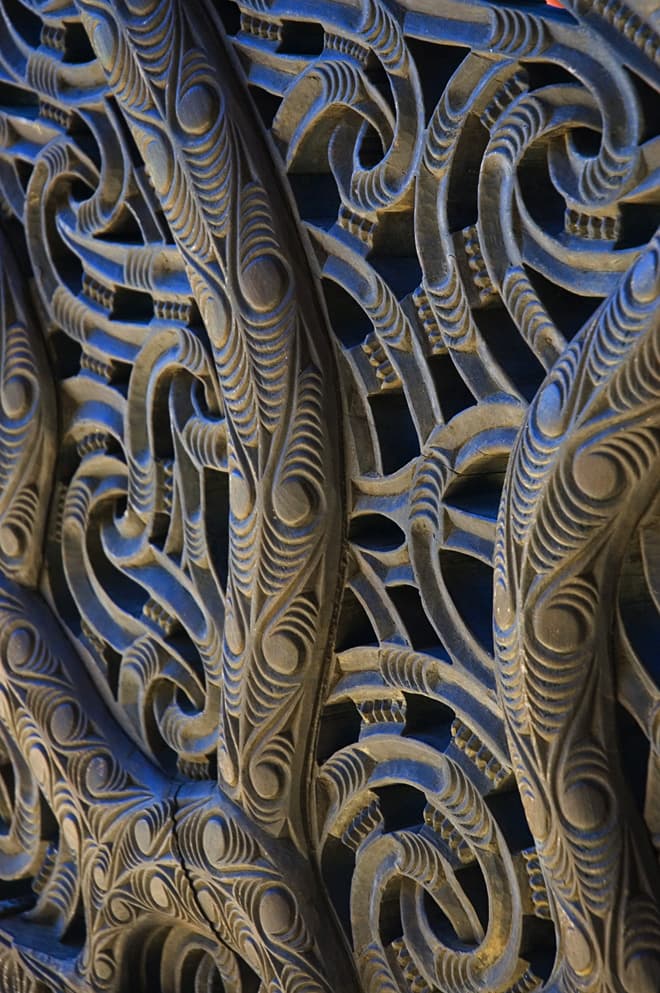
In Māori mythology, Tāwhaki is a semi-supernatural being associated with lightning and thunder.

In Māori mythology, Tāwhirimātea is the god of weather, including thunder and lightning, wind, clouds and storms. He is a son of Papatūānuku and Ranginui. Tāwhirimātea is the seventh oldest of 70 children, all of whom are boys.
Te Uira is an atua who personifies lightning in Māori mythology. Te Uira's child Te Kanapu, grandparent of Whaitiri, is also a personification of lightning.
According to a legend in Samoan mythology Tilafaiga was one of the twin sisters who brought the art of tatau to Samoa from Fiji. Tilafaiga's twin sister's name is Taema.
Transcendentalism is a philosophical, spiritual, and literary movement that developed in the late 1820s and 1830s in the New England region of the United States. A core belief is in the inherent goodness of people and nature, and while society and its institutions have corrupted the purity of the individual, people are at their best when truly "self-reliant" and independent. Transcendentalists saw divine experience inherent in the everyday.
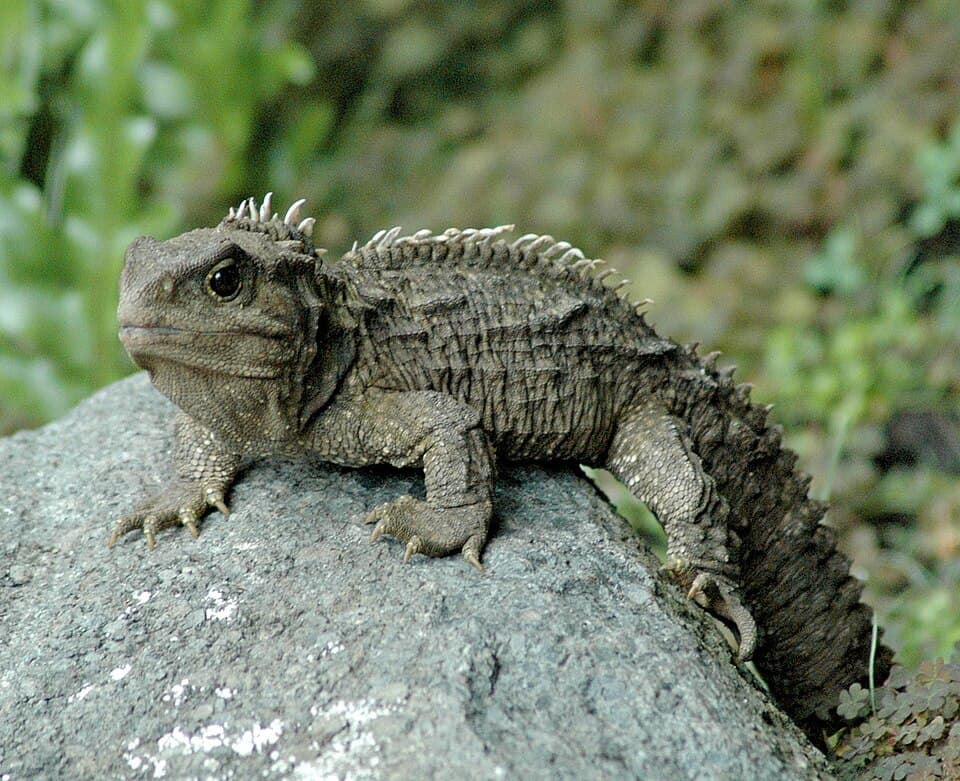
Tū-te-wehiwehi is the father of all reptiles in Māori mythology.

In Māori mythology, Tūmatauenga is the primary god of war and human activities such as hunting, food cultivation, fishing, and cooking.
Uenuku is an atua of rainbows and a prominent ancestor in Māori tradition. Māori believed that the rainbow's appearance represented an omen, and one kind of yearly offering made to him was that of the young leaves of the first planted kūmara crop. He was a tribal war god invoked before battles, particularly in the northern half of the country.
In Hawaiian mythology, Ukupanipo is a shark god who controls the amount of fish close enough for the fisherman to catch. He occasionally adopts a human child who gains the power to transform into a shark, but when in human form has a mark like a shark's mouth under their shoulder blades.
Urutengangana is the god of light in Māori mythology. He is the firstborn of the children of the primordial parents, Ranginui the Sky father and Papatūānuku the Earth mother.
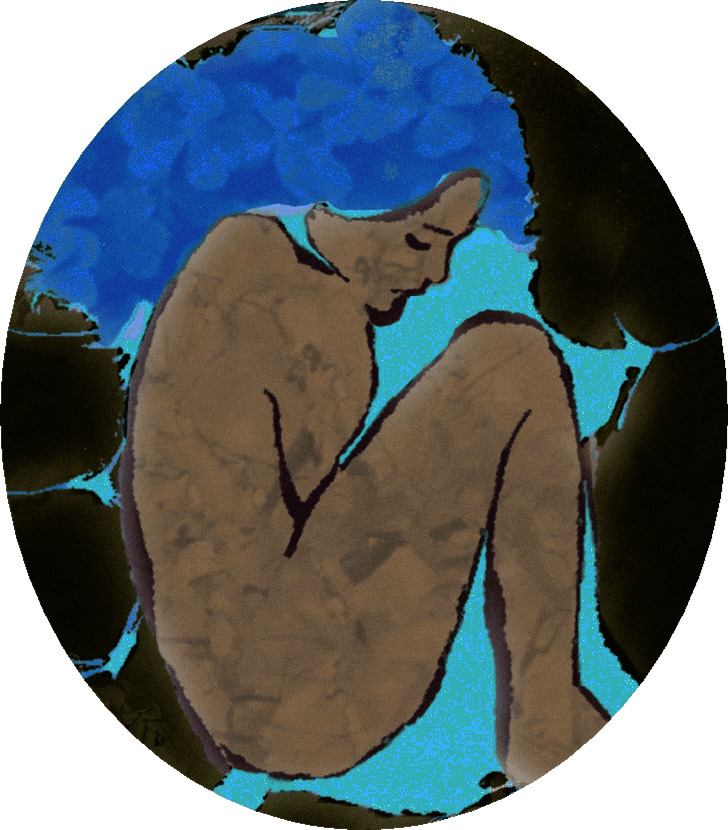
In Cook Islands mythology, Varima-te-takere also called Vari, was the primordial mother of the gods and mortals.
In the Hawaiian religion, Wākea, the Sky father, weds Papahānaumoku, the earth mother. The two are considered the parent couple of the ruling chiefs of Hawaii.
In Hawaiian mythology, Welaʻahilaninui was a god or the first man, the forefather of Hawaiians. He is mentioned as an ancestor of Hawaiian chiefs in the ancient Hawaiian chant Kumulipo.
Whiro-te-tipua is the lord of darkness and embodiment of all evil in Māori mythology. Usually depicted as a lizard-like creature, he inhabits the underworld and is responsible for the ills of all people, a contrast to his brother and enemy Tāne.
Complete index
All 75 names, alphabetically. This pantheon is too small for a letter rail to be worth the space — 75 entries do not fill 26 letters — so it runs as one list.