
Anastasia of Serbia
Ana ; fl. 1196 – died 22 June 1200) was the princess consort of the Serbian Principality as the wife of Stefan Nemanja. Ana took monastic vows in 1196 and was tonsured as Anastasija (Анастасија), after Anastasia of Sirmium.
Pantheon
Every entry the archive files to this pantheon, with the record for each shown as it stands.
89 entries
These three are recorded for the Slavic pantheon as a whole. The archive holds no separate culture, civilization or period for the individual entries below.
Entries
Showing 1–89 of 89, alphabetically.
Ana ; fl. 1196 – died 22 June 1200) was the princess consort of the Serbian Principality as the wife of Stefan Nemanja. Ana took monastic vows in 1196 and was tonsured as Anastasija (Анастасија), after Anastasia of Sirmium.

Russian Authentism, incorporated as the Thesaurus Non-Confessional Spiritual Union, is a Rodnover philosophy and psychological practice originally founded in 1984 by Sergey Petrovich Semyonov in Saint Petersburg. Semyonov also termed his doctrine Russian Vedism, a name shared by many other currents within Rodnovery. The adherents of the philosophical doctrine are called Authentists, while the core members of the Thesaurus Union are called Thesaurites.
Axes of Perun, also called "hatchet amulets", are archaeological artifacts worn as a pendant and shaped like a battle axe in honor of Perun, the supreme deity of Slavic religion. They are counterparts to Nordic Mjolnir amulets. They are mostly found in modern-day Serbia, Russia, Ukraine, Belarus, Poland, Lithuania, Latvia and parts of Scandinavia.
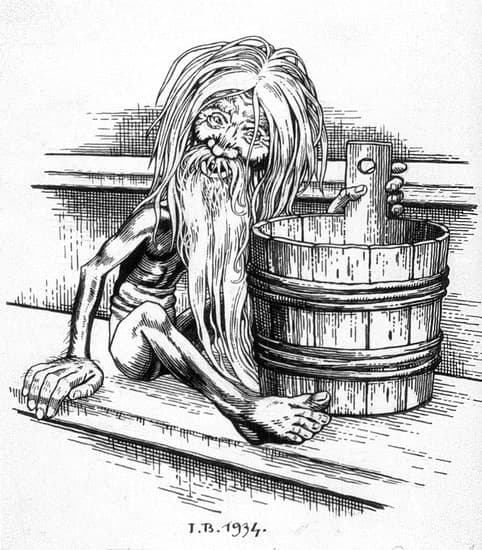
The Bannik is a bathhouse (banya) spirit in Slavic mythology. He is usually described as a small, naked old man with a long beard, his body covered in the birch leaves left over from well used bath brooms. Many accounts also claim that he is a shapeshifter and can appear as a local person to someone who stumbles across him, or even as a stone or coal in the oven heating the bathhouse.
Bazhovism is a Rodnover movement focused in the Ural region of Russia, founded by Vladimir Viktorovich Sobolev in the early 1990s in Chelyabinsk, and incorporated as the Bazhovite Academy of Esoteric Knowledge of the Urals. The name of the movement refers to the writer Pavel Bazhov, whose tales are the main holy scriptures of the Bazhovites. Bazhovism is regarded as the major new religious movement of the Ural region, and its theology is centred around the goddess of the Ural Mountains, the Mistress of the Copper Mountain.
Chernobog and Belobog are a pair of disputed Polabian deities. Chernobog appears in Helmold's Chronicle as a god of misfortune worshipped by the Wagri and Obodrites, while Belobog is not mentioned – he was constructed in opposition to Chernobog. Both gods also appear in later sources, but they are not considered reliable.
The pagan Slavs were polytheistic, which means that they worshipped many gods and goddesses. The gods of the Slavs are known primarily from a small number of chronicles and letopises, or not very accurate Christian sermons against paganism. Additionally, more numerous sources in which Slavic theonyms are preserved include names, proper names, place names, folk holidays, and language, including sayings.
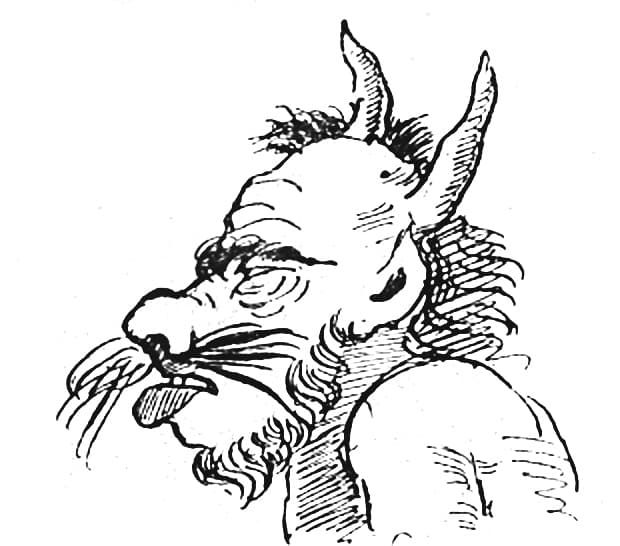
Bies (Polish), bes or bijes is an evil spirit or demon in Slavic mythology. Under the influence of Christianity the word often became synonymous with chort.
Błędnica [bwɛndˈnit͡sa] – a forest demoness, which is said to have led people astray, leaving its victims alone in the depths of the forest to die of starvation or to be eaten by wild animals. The evil entity is most often described as a young and pretty girl. It is believed that the only way to chase the demon away was to use some strong spells or to sacrifice something either at one's home or during the hunt.
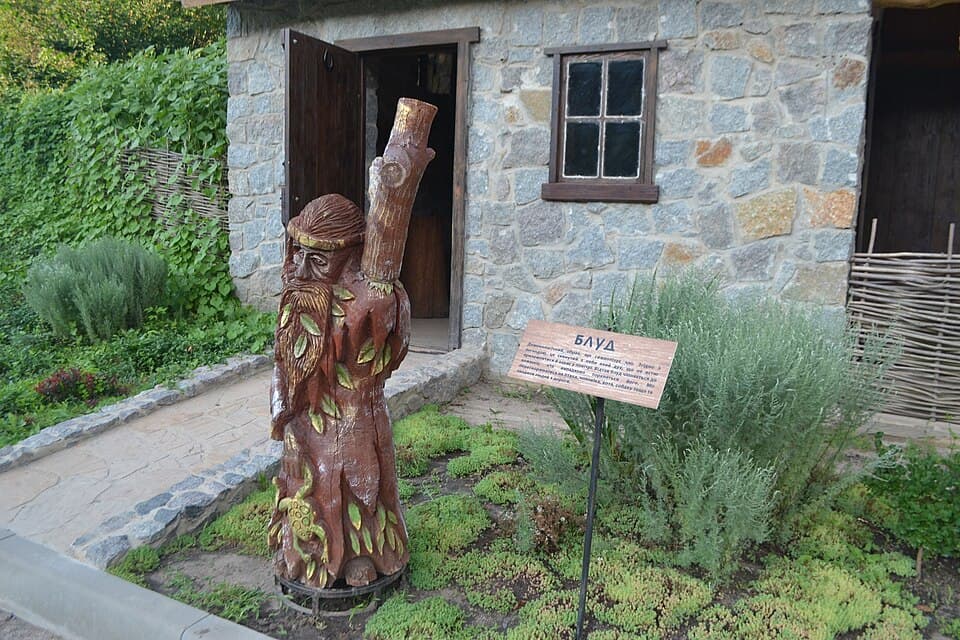
Blud, one of the Slavic fairies in Slavic mythology, is an evil-deity that causes disorientation and leads a person aimlessly around and round. The term also refers to illicit fornication, the desire for which Slavic clerics claimed to come from the Devil.
In Slavic mythology, bolotnik, balotnik, bolotianyk or błotnik is a male swamp spirit. There are many descriptions of bolotnik. Usually he was portrayed as a man or an old man who has big, frog-like eyes, a green beard and long hair.
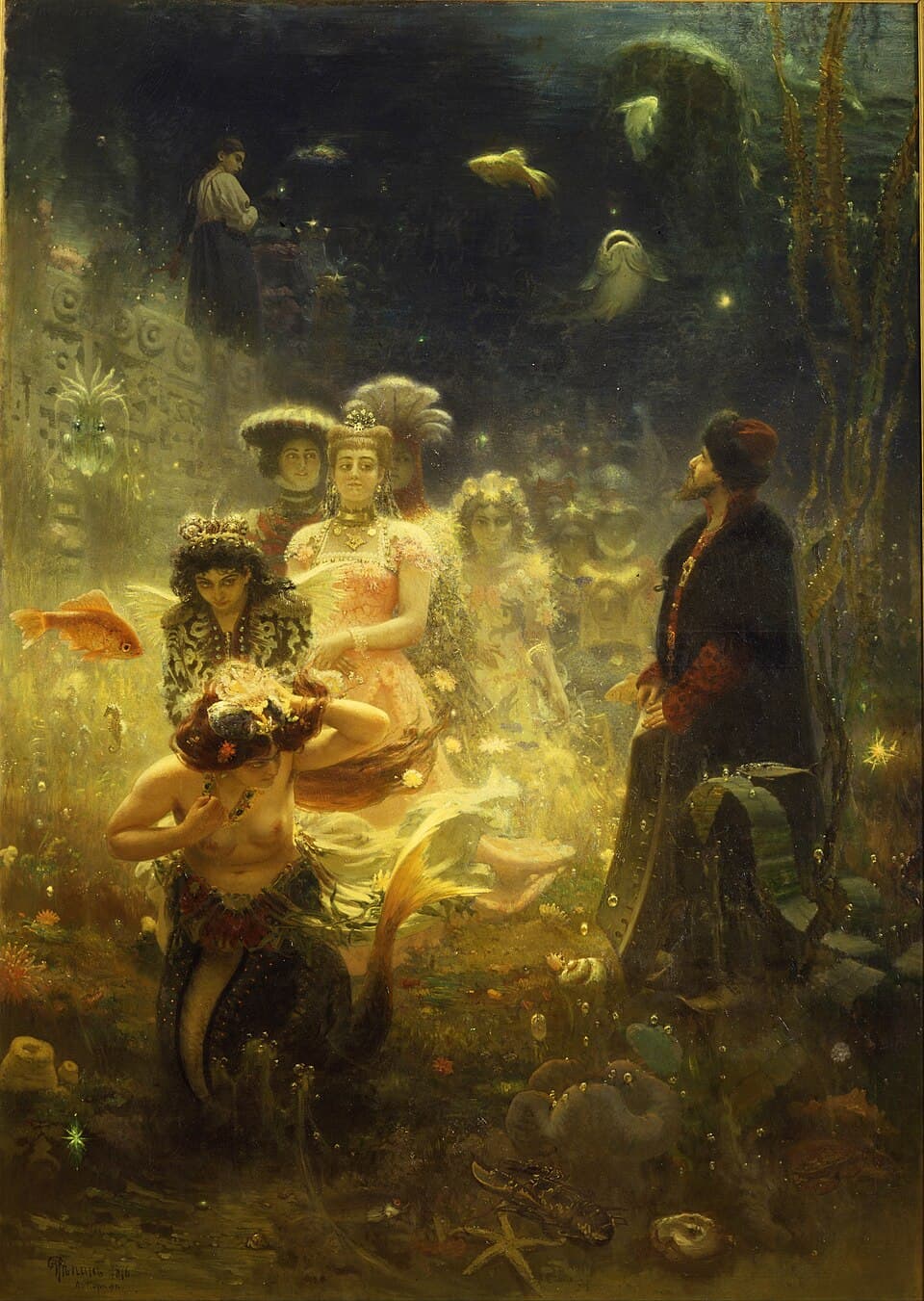
In Russian folklore, Chernava is Sea Tsar's daughter, spirit and personification of the river of the same name. She is a mermaid. Her head and upper body are human, while the lower body is a fish's tail.
Chernobog and Belobog are a pair of disputed Polabian deities. Chernobog appears in Helmold's Chronicle as a god of misfortune worshipped by the Wagri and Obodrites, while Belobog is not mentioned – he was constructed in opposition to Chernobog. Both gods also appear in later sources, but they are not considered reliable.
Chernoglav or Chernoglov is the god of victory and war worshipped in Rügen, probably in the town of Jasmund, mentioned together with Svetovit, Rugievit, Turupid, Puruvit and Pizamar in the Knýtlinga saga. The fifth god was called Pizamar from a place called Jasmund, and was destroyed by fire, There was also Tjarnaglófi, their god of victory who went with them on military campaigns. He had a moustache of silver and resisted longer than the others but they managed to get him there years later.
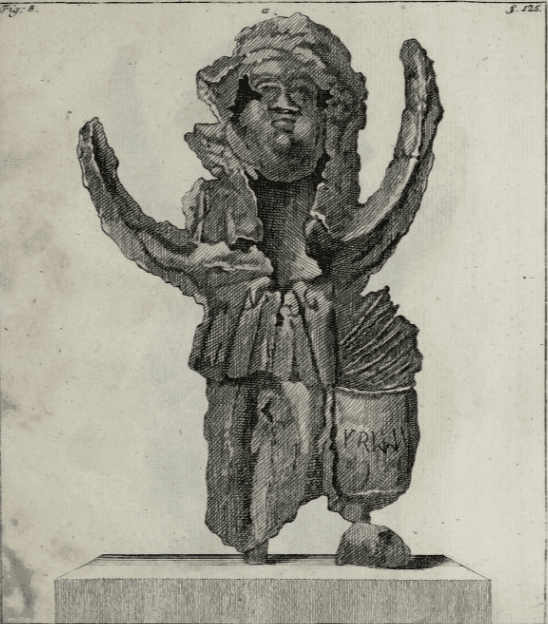
Chislobog is a slavic pseudo-deity of time and/or numbers invented in the 20th century, mentioned in the Book of Veles, spelled as 'ченслобг' ("chenslobg") The book is normally seen as a literary forgery which is claimed to be an ancient Slavic mythical text. His name supposedly comes from the words number and god.
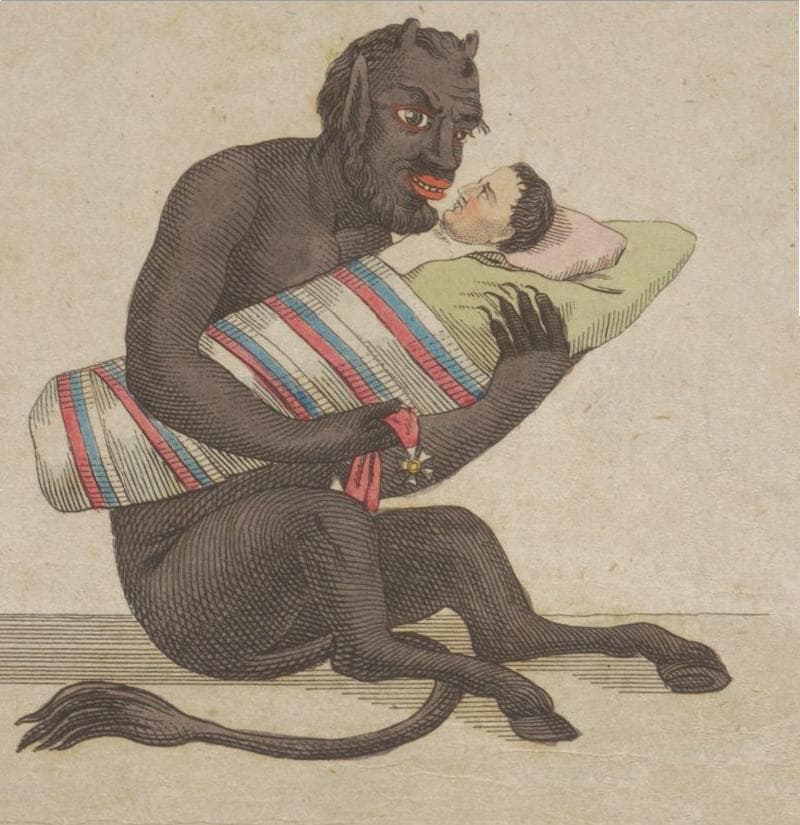
A chort is an anthropomorphic malign spirit or demon in Slavic folk tradition. Chorts are often depicted identically to Christian devils, with horns, hooves, and a skinny tail. In Slavic mythology, a singular chort is sometimes identified as a son of the god Chernobog and the goddess Mara.
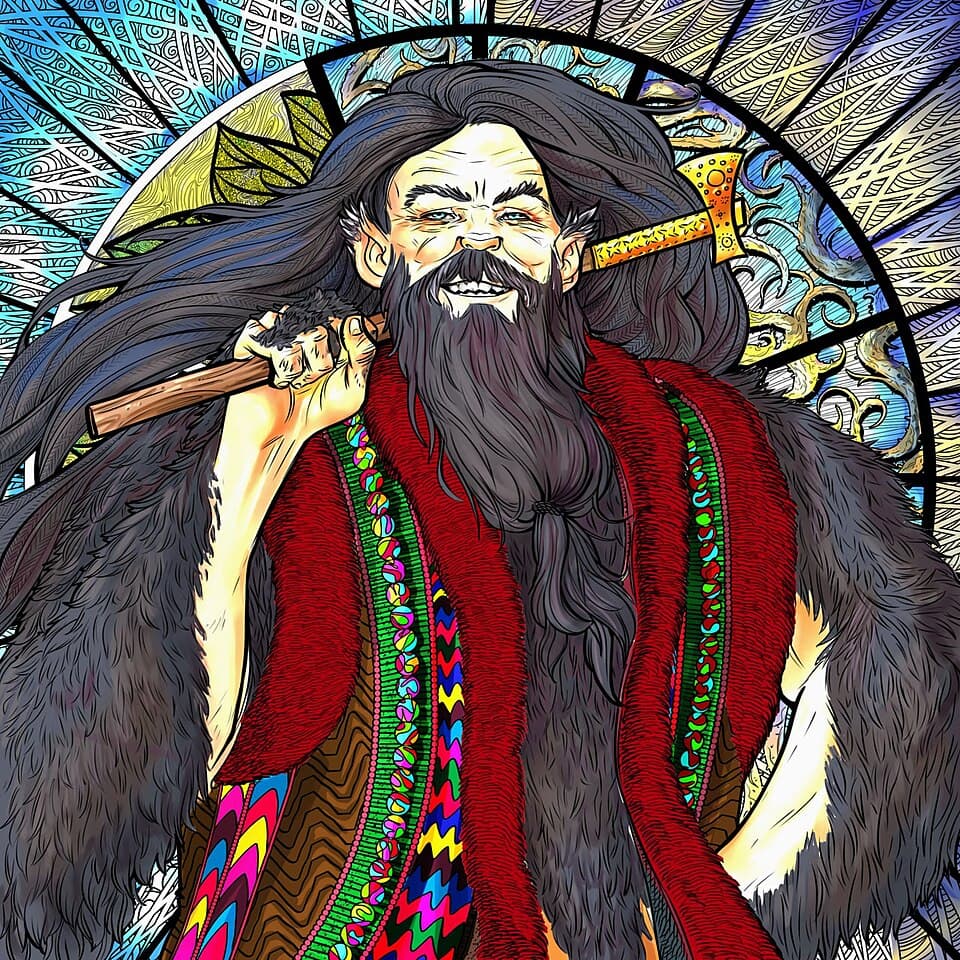
Chuhaister is a Ukrainian tutelary deity of the forests. He is specific to the Carpathians.
Chur is a Slavic pseudo-deity speculated in 19th century to exist in Slavic mythology.
Habernitsa is a noon demon in Slavic mythology, said to live in the area of Prudnik. She is referred to as Chabernica in Polish and Хаберница (Habernitsa) in Russian. She can be referred to in English as "Cornflower Wraith", "Lady Cornflower" or "Cornflower Witch".
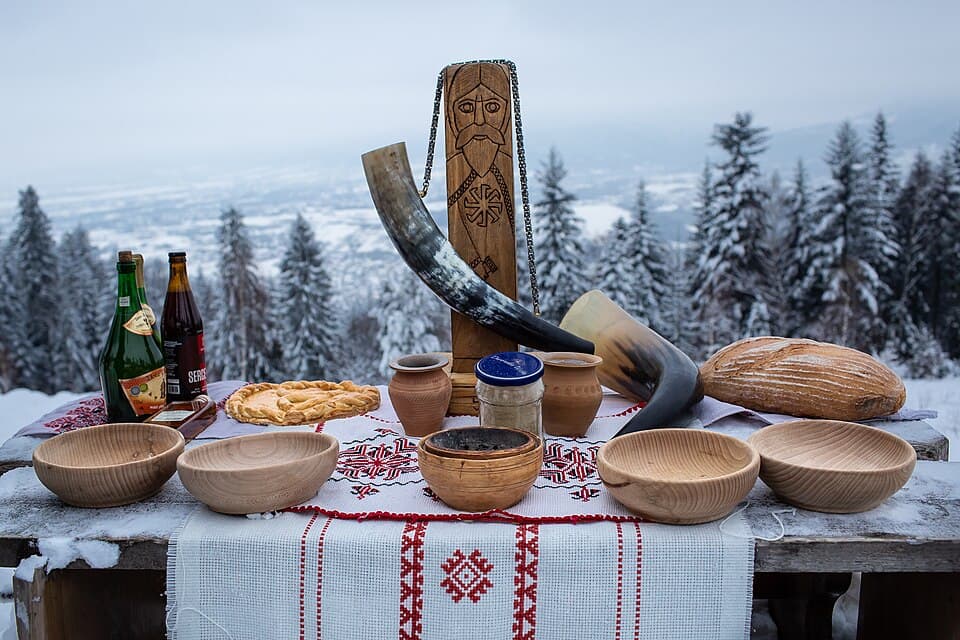
Dazhbog, alternatively Daždźboh, Dazhboh, Dažbog, Dazhdbog, Dajbog, Daybog, Dabog, Dazibogu, or Dadźbóg, was one of the major gods of Slavic mythology, most likely a solar deity and possibly a cultural hero. He is one of several authentic Slavic gods, mentioned by a number of medieval manuscripts, and one of the few Slavic gods for which evidence of worship can be found in all Slavic tribes.
Demonization or demonisation is the reinterpretation of the deities of polytheistic religions as evil, lying demons by other religions, generally by monotheistic and henotheistic ones. The term has since been expanded to refer to any characterization of individuals, groups, or political bodies as evil.
Deus otiosus, and also known as the clockmaker theory, is the belief in a creator god who has entirely withdrawn from governing the universe after creating it or is no longer involved in its daily operation. In Western philosophy, the concept of deus otiosus has been associated with Deism and the Age of Enlightenment since the 17th century.
Devana, Zevana, less often Zievonia is the goddess of wild nature, forests, hunting and the moon worshiped by the Western Slavs. In the sources, she was first mentioned in the 15th century by Jan Długosz, who compared her to the Roman goddess Diana. Dziewanna is also a Polish name for Verbascum, and the etymology of the word is unclear.

In Christianity, the Devil, also known as Satan, is a malevolent entity that deceives and tempts humans. Frequently viewed as the personification of evil, he is traditionally held to have rebelled against God in an attempt to become equal to God himself. He is said to be a fallen angel, who was expelled from Heaven at the beginning of time, before God created the material world, and is in constant opposition to God.

The divine twins are youthful horsemen, either gods or demigods, who serve as rescuers and healers in Proto-Indo-European mythology.
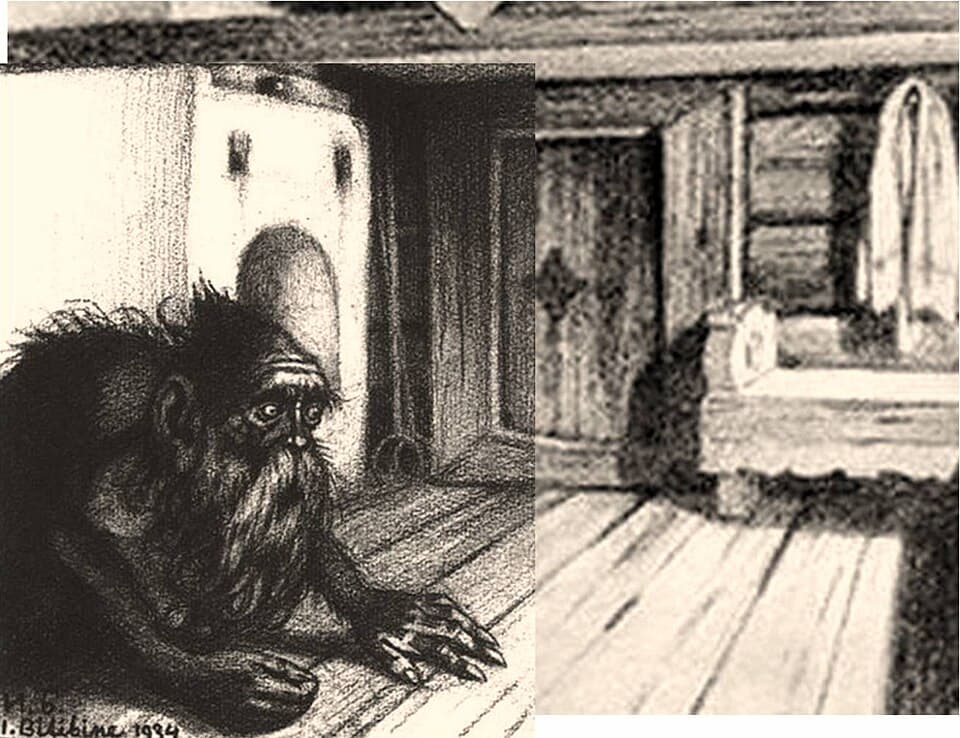
In the Slavic religious tradition, Domovoy is the household spirit of a given kin. According to the Russian folklorist E. G.
Donbettyr is the god of all waters, and the protector of fish and fishermen in Ossetian mythology. He is related to a Scythian deity of the same name. His name is possibly derived from don, meaning 'river', derived from danu, meaning 'to flow', as a prefix for the name Peter ("Bettyr"), possibly in reference to Saint Peter.
Dukljan or Dukljanin is a figure in Serbian mythology that is a reflection of the Roman emperor Diocletian. He is presented as the adversary of God, possibly because of the real Diocletian's persecution of Christians.
The Dvorovoy is a Slavic spirit of the courtyard. It was associated with a farmstead's grounds, cattle shed, and stable. The dvorovoy is similar to the house spirit domovoi, though it is less benevolent.
Dzidzilela, Dzidzileyla, Dzidzilelya is an alleged Polish goddess. First mentioned by Jan Długosz as the Polish equivalent of the Roman goddess Venus, goddess of marriage. Nowadays, the authenticity of the goddess is rejected by most researchers, and it is believed that the theonym was created by recognizing a fragment of folk songs as a proper name.
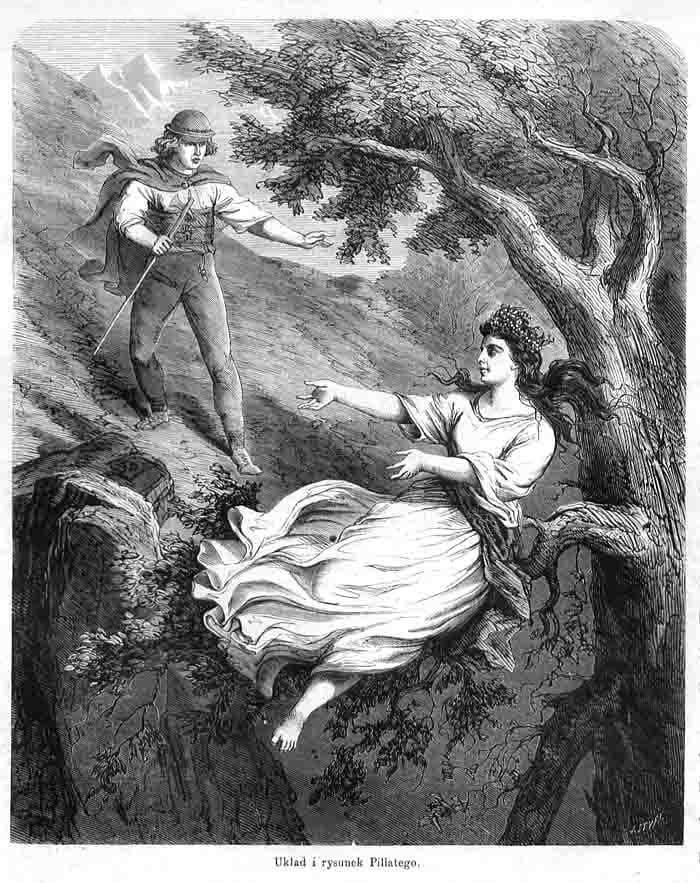
Dziwożona is a female swamp demon in Slavic mythology known for being malicious and dangerous. Most at risk of becoming one of these demons after death were thought to be midwives, old maids, unmarried mothers, pregnant women who die before childbirth, as well as abandoned children born out of wedlock.
Svarog is a Slavic god of fire and smithing mentioned in the Slavic translation of the Chronicle of John Malalas found in the Primary Chronicle as the Slavic equivalent of the Greek god Hephaestus.
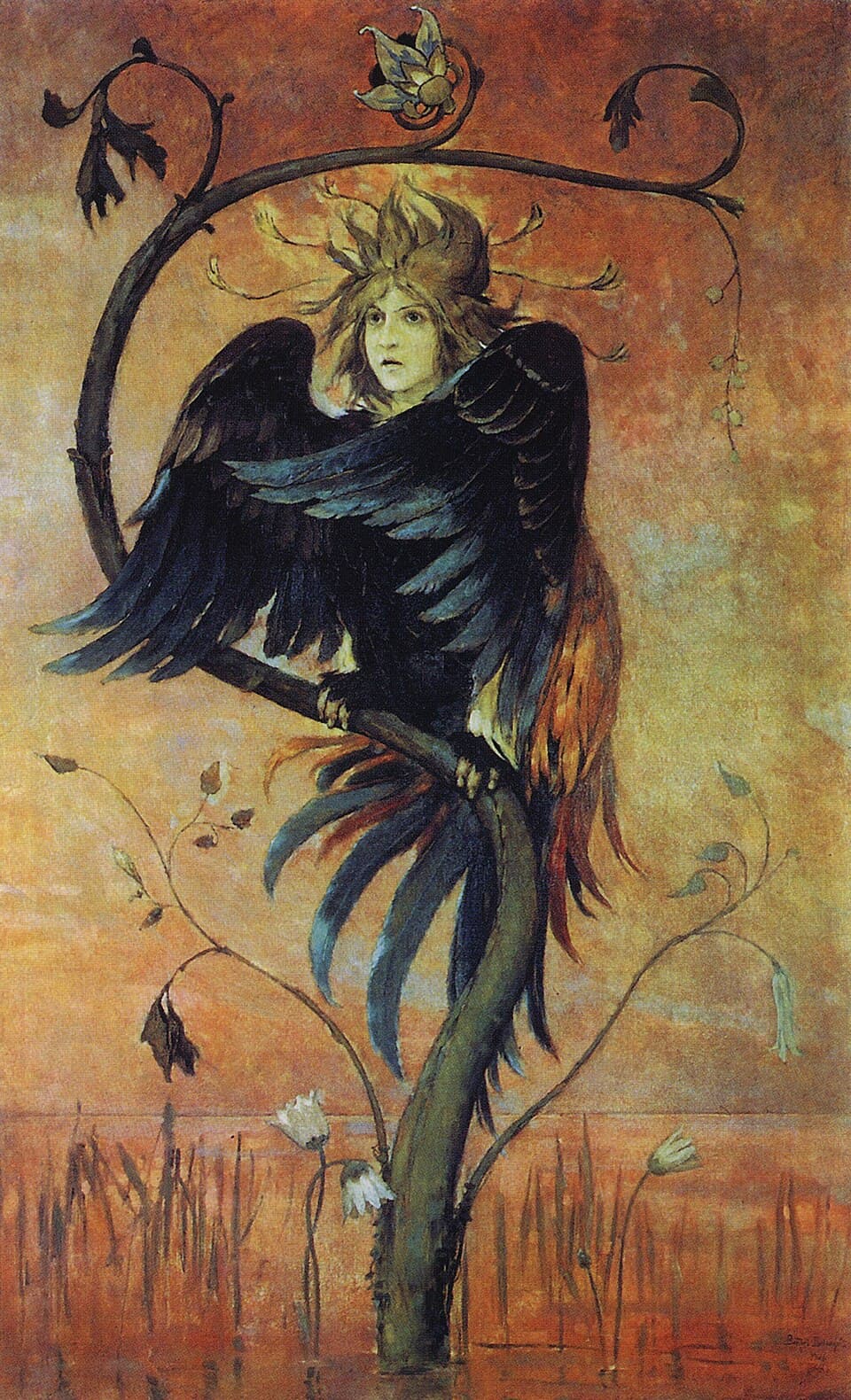
Gamayun is a prophetic bird of Russian folklore. It is a symbol of wisdom and knowledge and lives on an island in the mythical east, close to paradise. She is said to spread divine messages and prophecies, as she knows everything of all creation, gods, heroes, and man.
God-Building is the idea that in place of the abolition of religion, there should be a meta-religious context in which religions were viewed primarily in terms of the psychological and social effect of ritual, myth, and symbolism. It was proposed by some prominent early Marxists in the Bolshevik faction of the Russian Social Democratic Labour Party in the early-20th century, who were inspired by Auguste Comte's Religion of Humanity. They aimed to harness this for pro-communist aims, both by creating new ritual and symbolism, and by re-interpreting existing ritual and symbolism in a socialist context.
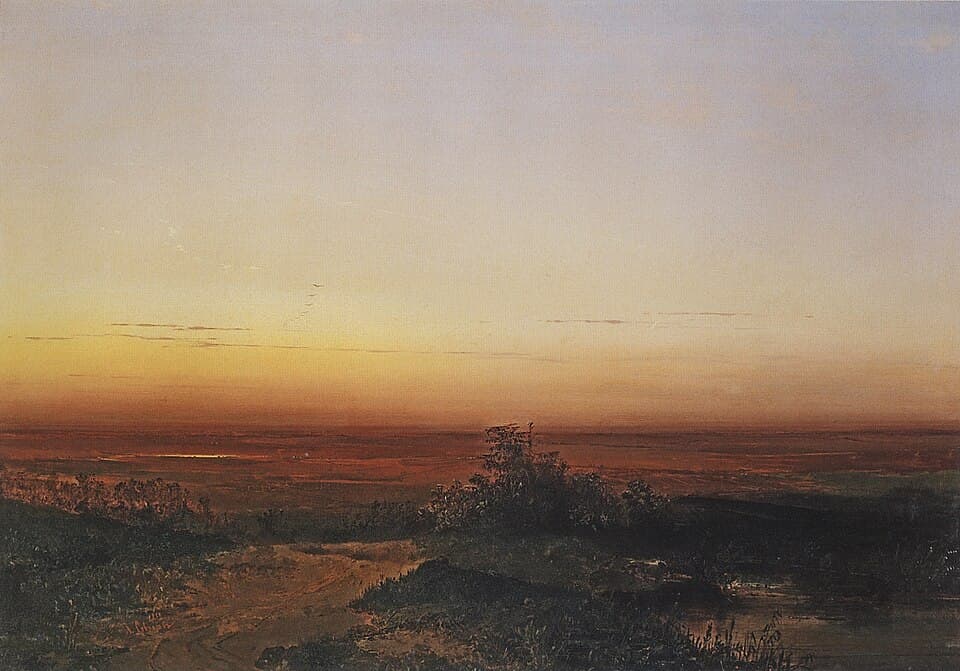
*H₂éwsōs or *Haéusōs, romanized as Hausos, is the reconstructed name of the dawn goddess in Proto-Indo-European mythology.
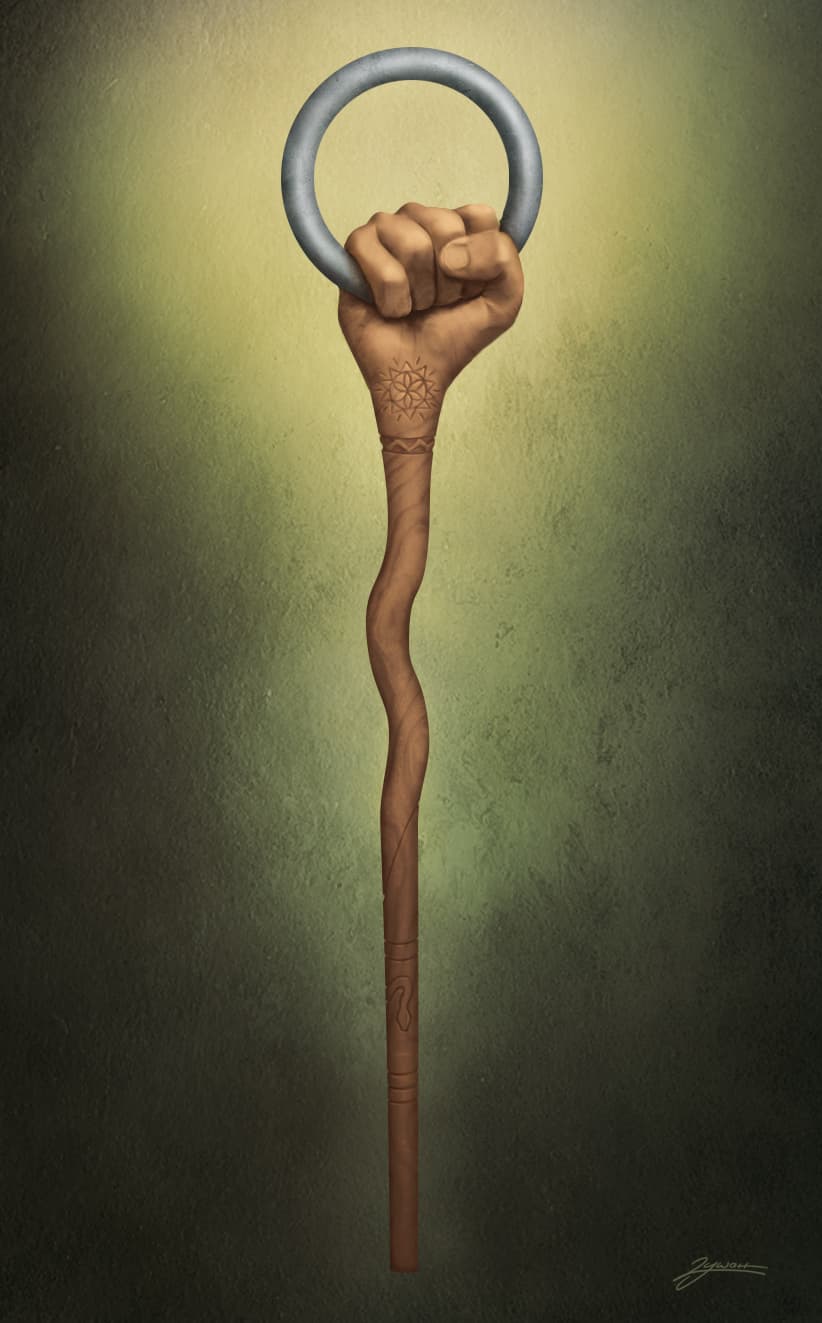
Hennil or Bendil is an alleged agrarian Slavic god worshipped by the Polabian Slavs. He was mentioned by Bishop Thietmar in his Chronicle as a god who was represented by a staff crowned by a hand holding a ring, which is interpreted as a symbol of fertility. However, there is no general consensus on the authenticity of the deity.

The history of Christianity begins with Jesus, an itinerant Jewish preacher and teacher, who was crucified in Jerusalem c. AD 30–33. His followers proclaimed that he was the incarnation of God and had risen from the dead.

Interpretatio graeca, or "interpretation by means of Greek [models]", refers to the tendency of the ancient Greeks to identify foreign deities with their own gods. It is a discourse used to interpret or attempt to understand the mythology and religion of other cultures; a comparative methodology using ancient Greek religious concepts and practices, deities, and myths, equivalencies, and shared characteristics.
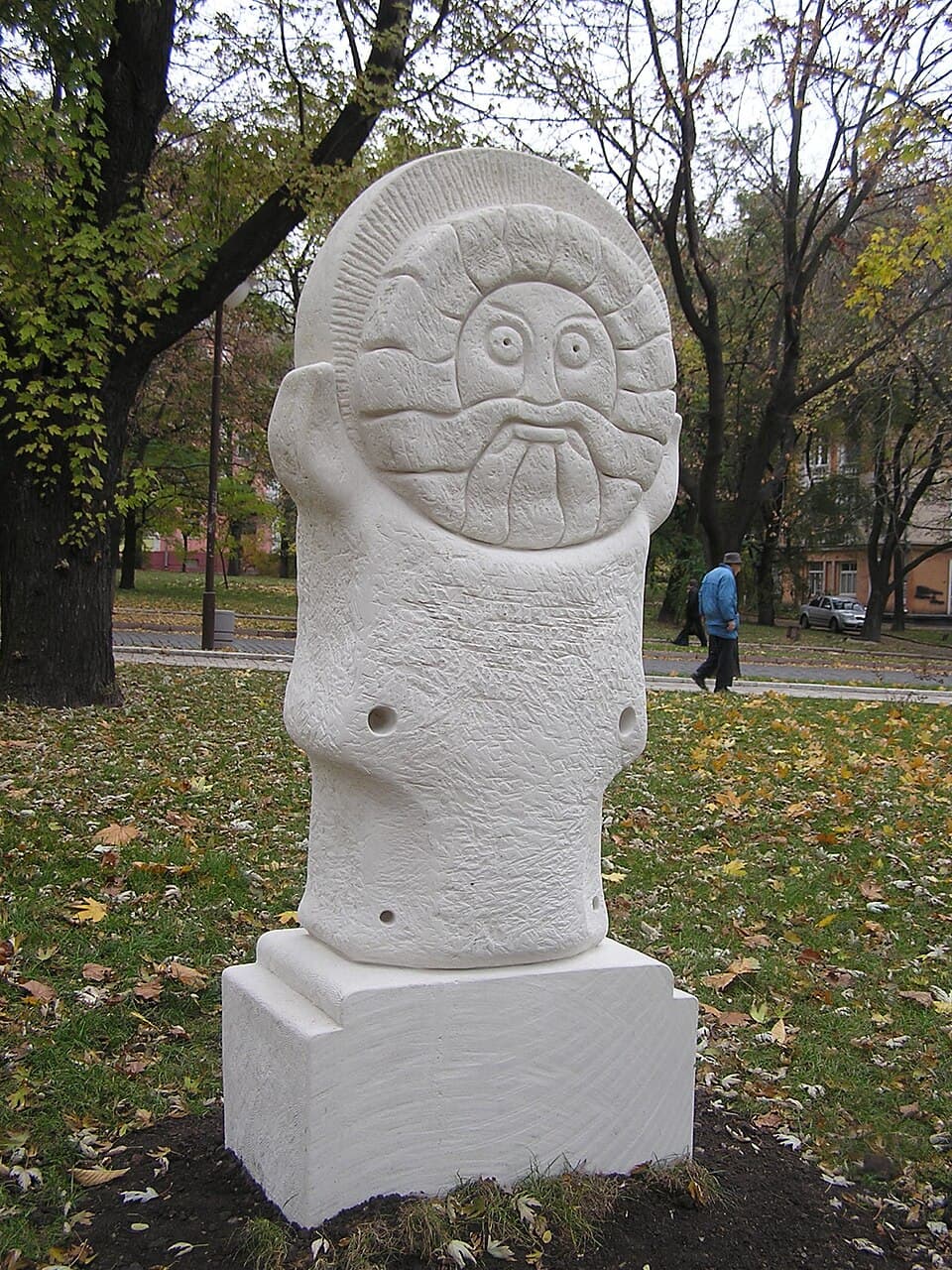
Jarylo, alternatively Yaryla, Yarilo, Iarilo, Juraj, Jurij, or Gerovit, is an alleged East and South Slavic god of vegetation, fertility and springtime.
Jesza or Jasza is an alleged Polish god. He was first mentioned around 1405–1412 in the sermons of Lucas of Wielki Koźmin, which warned against the worship of Jesza and other gods during spring rituals and folk performances. His popularity is partly owed Jan Długosz's comparison of him to the Roman god Jupiter.
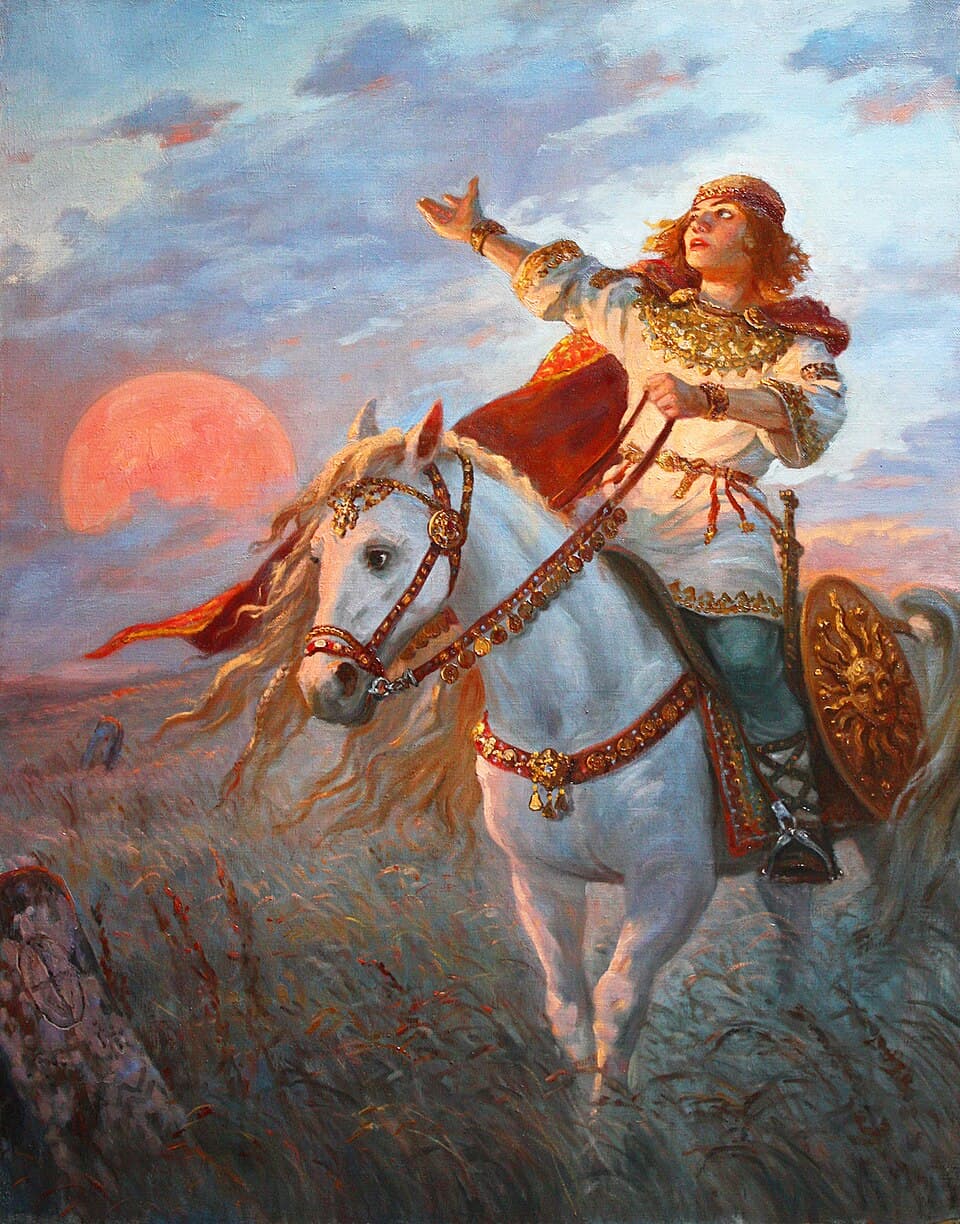
Khors is a Slavic god of uncertain functions mentioned since the 12th century. Generally interpreted as a sun god, sometimes as a moon god. The meaning of the theonym is also unknown: most often his name has been combined with the Iranian word for sun, such as the Persian xoršid, or the Ossetian xor, but modern linguists strongly criticize such an etymology, and other native etymologies are proposed instead.
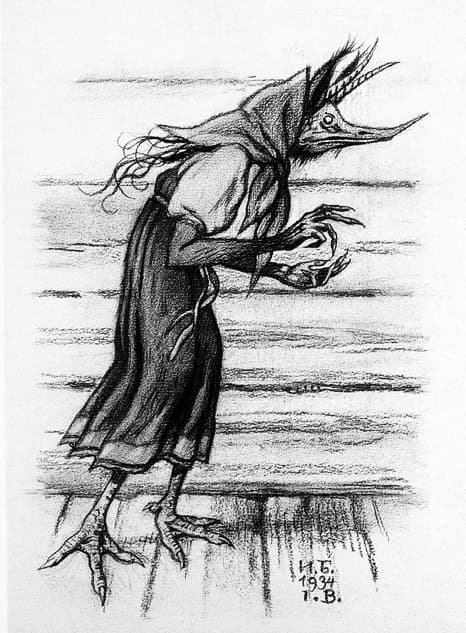
Kikimora is a legendary creature, a female house spirit in Slavic mythology. Her role in the house is usually juxtaposed with that of the domovoy. The kikimora can either be a "bad" or a "good" spirit, which will depend on the behavior of the homeowner.
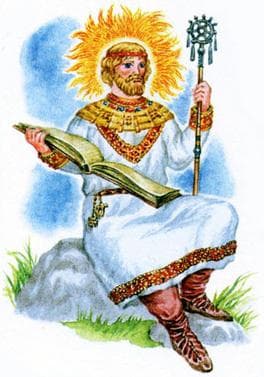
Koliada or Koleda is a Slavic pseudo-deity, a personification of the newborn winter Sun and symbol of the New Year's cycle. The figure of Koliada is connected with the solar cycle, passing through the four seasons and from one substantial condition into another.

Kostroma is an East Slavic fertility goddess. Her name is derived from костёр (kostyor), the Russian word for "bonfire".

Kresnik is a Slavic god associated with fire, the summer solstice, and storms. His mythical home, a sacred mountain at the top of the world, represents the axis mundi.
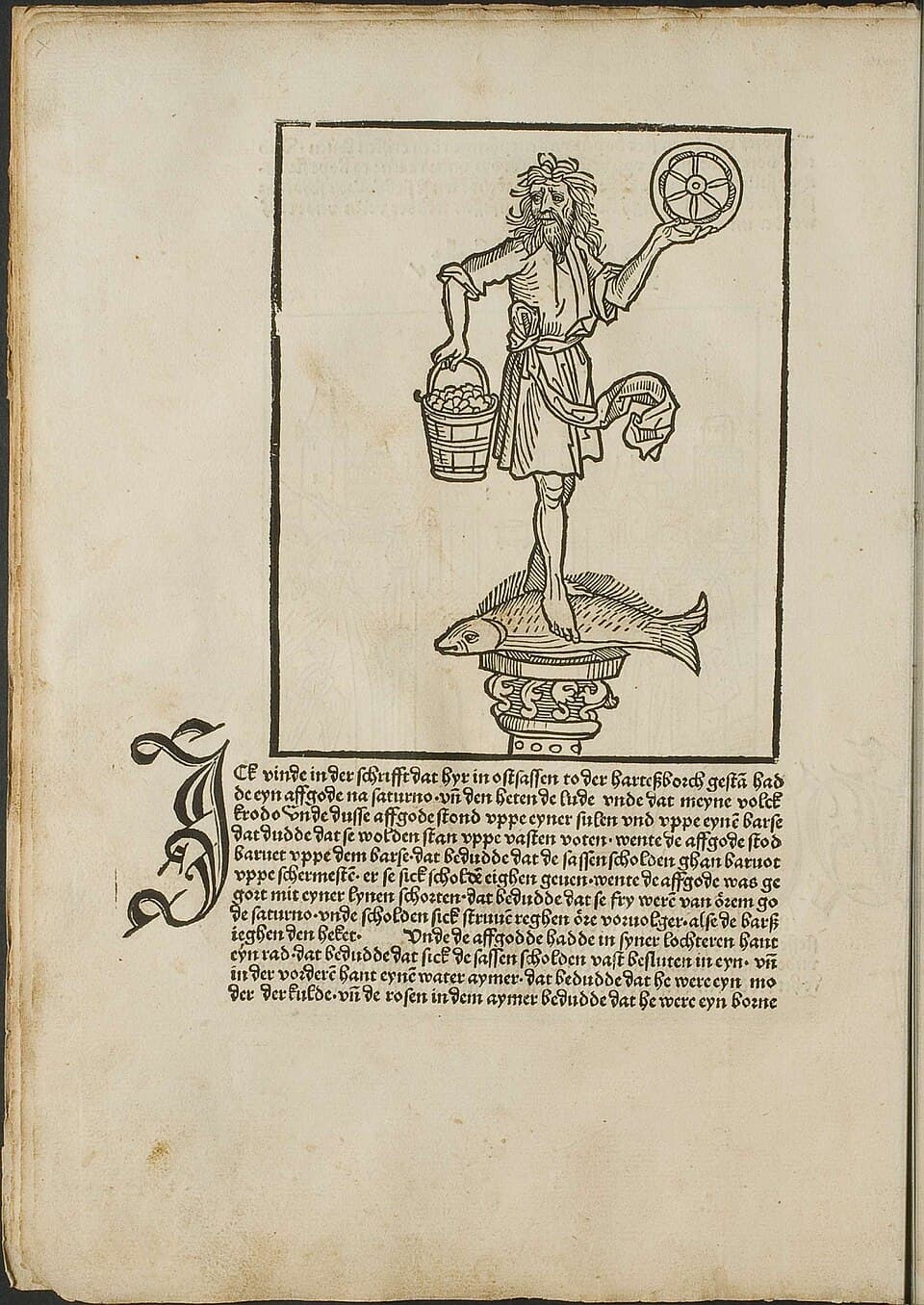
Krodo was a purported Germanic god of the Saxons, according to the 1492 Saxon Chronicle incunable probably written by the Brunswick goldsmith Conrad Bothe and printed in the studio of Peter Schöffer at Mainz. He is supposed to have been similar to the Roman god Saturn. Modern historians characterize the figure of Krodo as a fake.
In Slavic mythology, a krsnik or kresnik is a type of vampire hunter and a shaman whose spirit wanders from the body in the form of an animal. The krsnik turns into an animal at night to fight off the kudlak, his evil vampire antithesis, with the krsnik appearing as a white animal and the kudlak as a black one. The krsnik's soul leaves the body, either voluntarily or due to a higher power, to fight evil agents and ensure good harvest, health, and happiness.
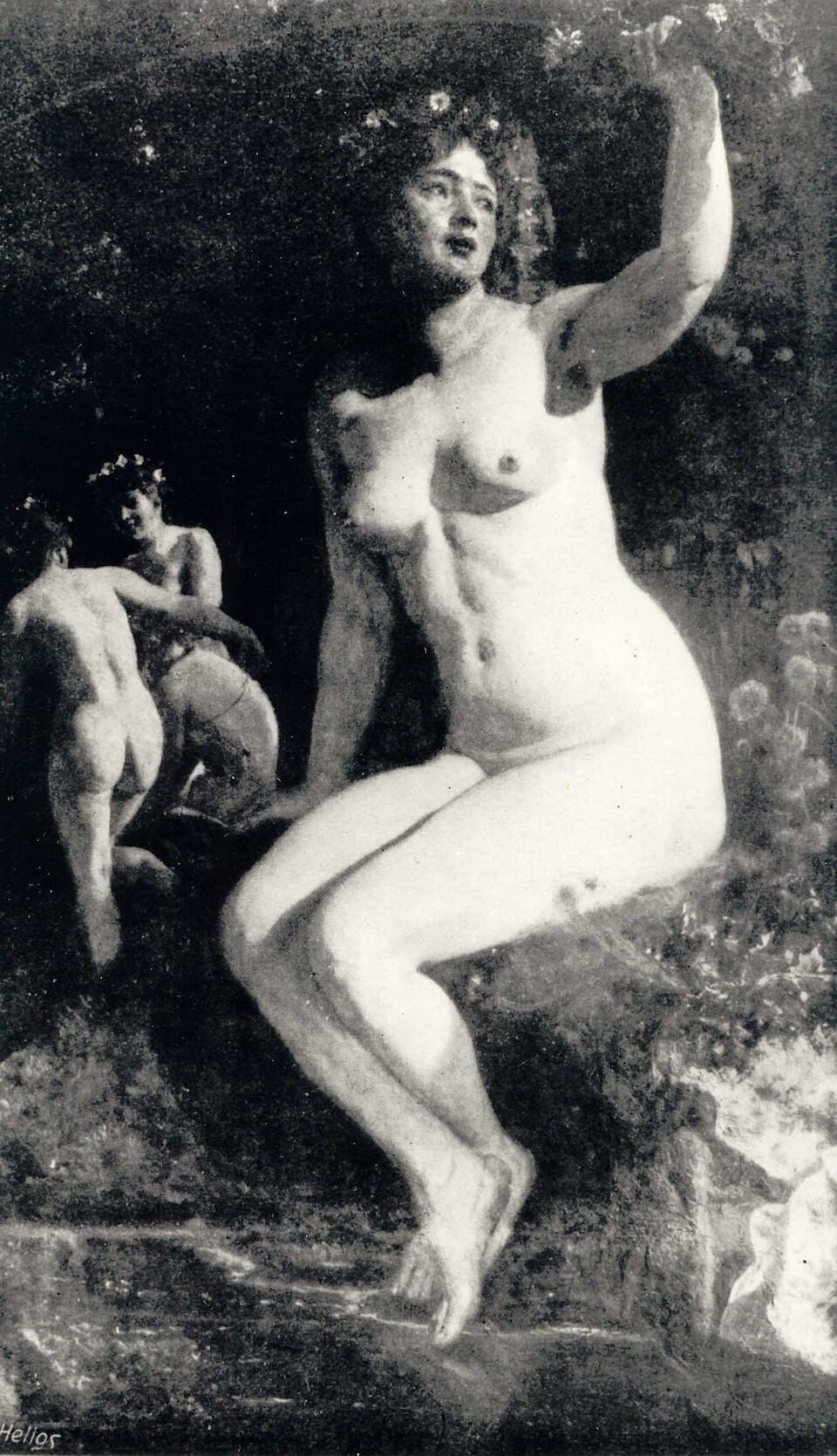
Kupala or Kupalo is an alleged Slavic deity who was first mentioned in the 17th century and compared to the Greek goddess Ceres. However, modern scholars of Slavic mythology deny the existence of such a deity.
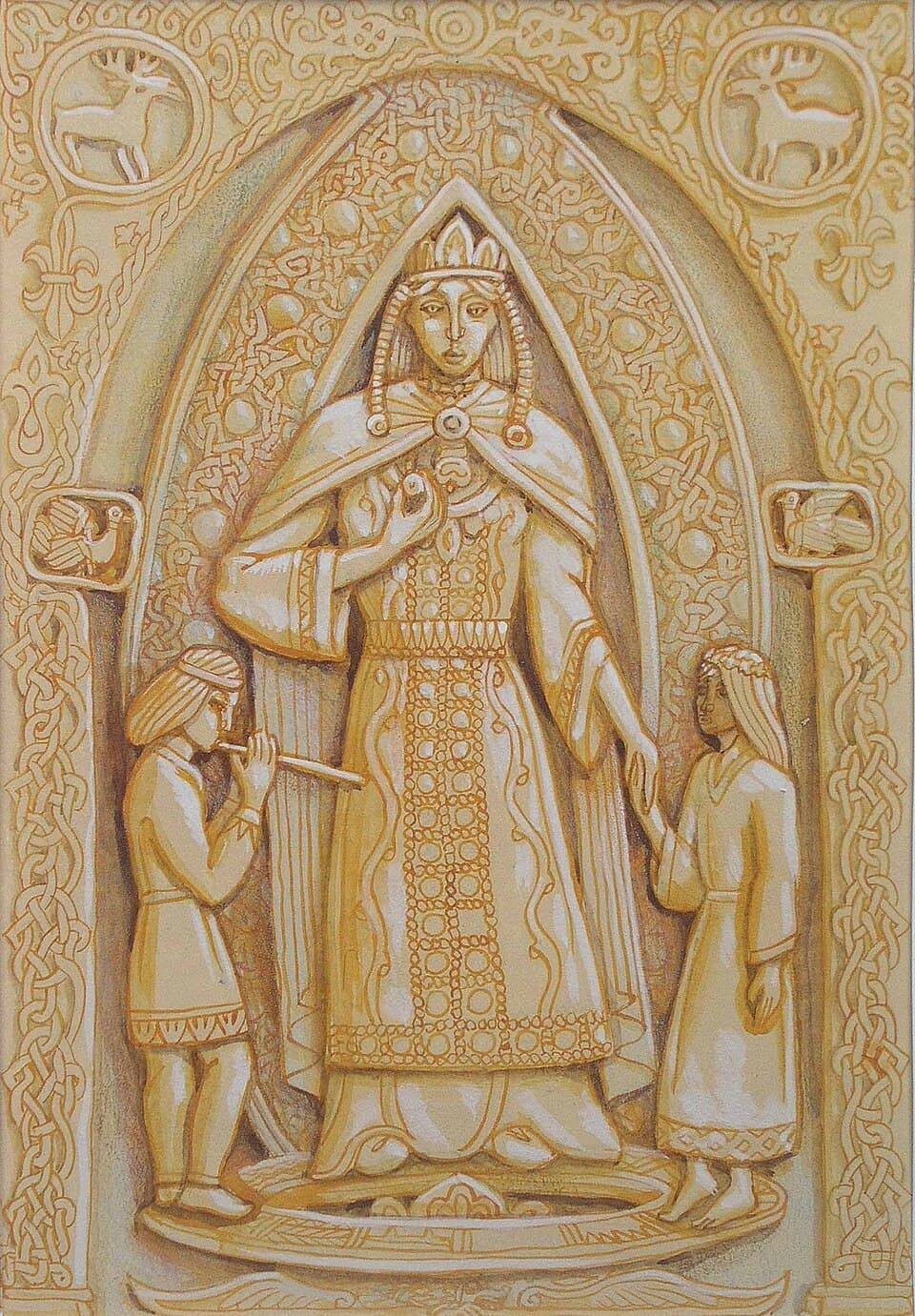
Lada and Lado are alleged Slavic deities. Lada was first mentioned around 1405–1412 in the sermons of Lucas of Wielki Koźmin, which warned against worshipping Lada and other gods during spring ceremonies and folk performances.
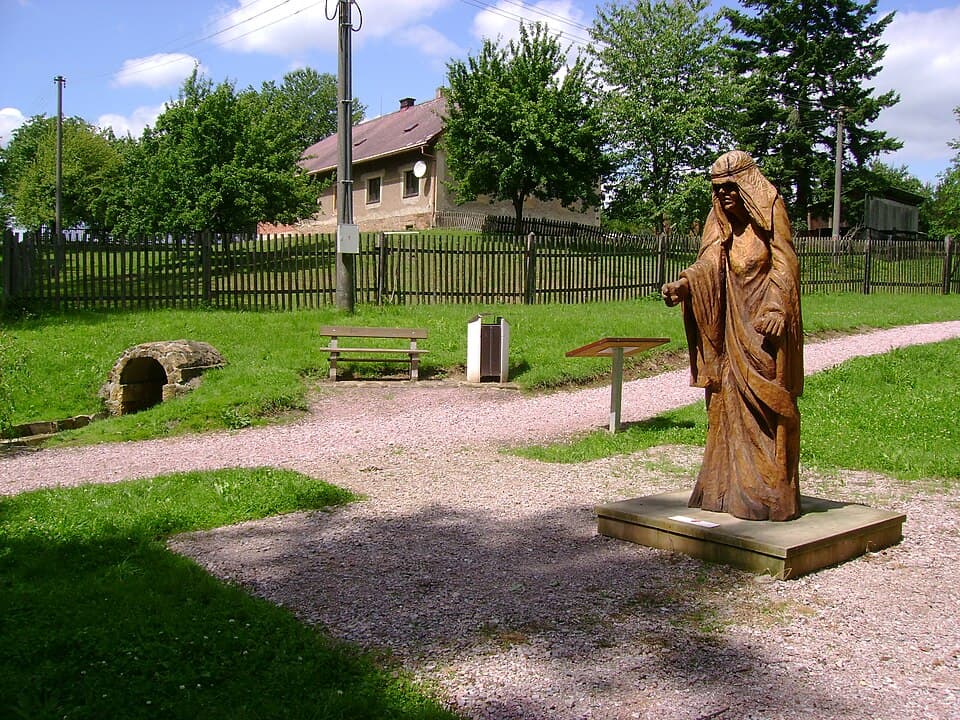
Poludnitsa is a mythical character common to the various Slavic countries of Eastern Europe. She is referred to as Południca in Polish, Полудниця in Ukrainian, Полудница (Poludnitsa) in Serbian, Bulgarian and Russian, Polednice in Czech, Pśezpołdnica in Lower Sorbian, Poludnica in Slovak, Připołdnica in Upper Sorbian, and Полознича (Poloznicha) in Komi, Chirtel Ma in Yiddish. The plural form of this word is poludnitsy.

Lel and Polel are Polish divine twins, first mentioned by Maciej Miechowita in the 16th century where he presents them as equivalents of Castor and Pollux and the sons of the goddess Łada, the equivalent of Leda. There is no complete agreement about the authenticity of the cult of Lel and Polel.
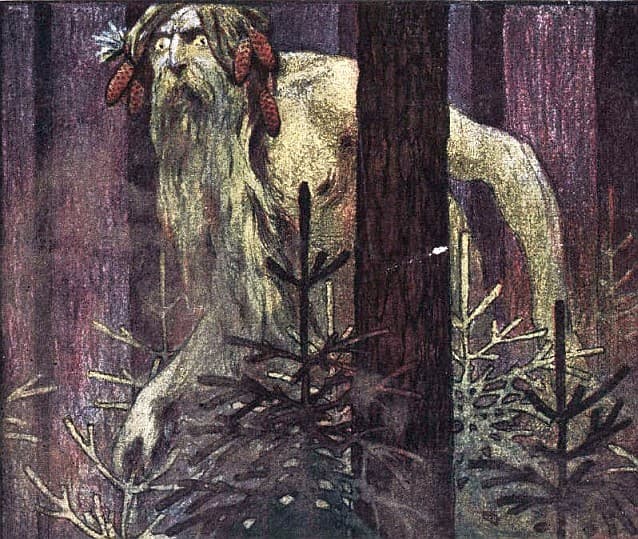
Leshy or Leshi is a tutelary deity of the forest in pagan Slavic mythology. As Leshy rules over the forest and hunting, he may be related to the Slavic god Porewit.
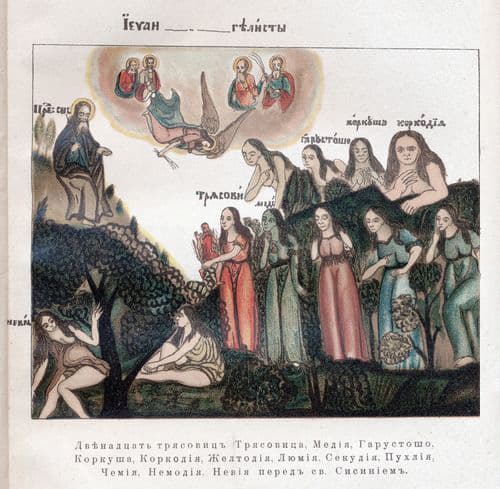
Likhoradka or tryasavitsa is a female spirit in Slavic mythology. Likhoradka was purported to be able to possess a person's body and cause sickness. In some tales, she is considered a creation of the dark deity Chernobog.
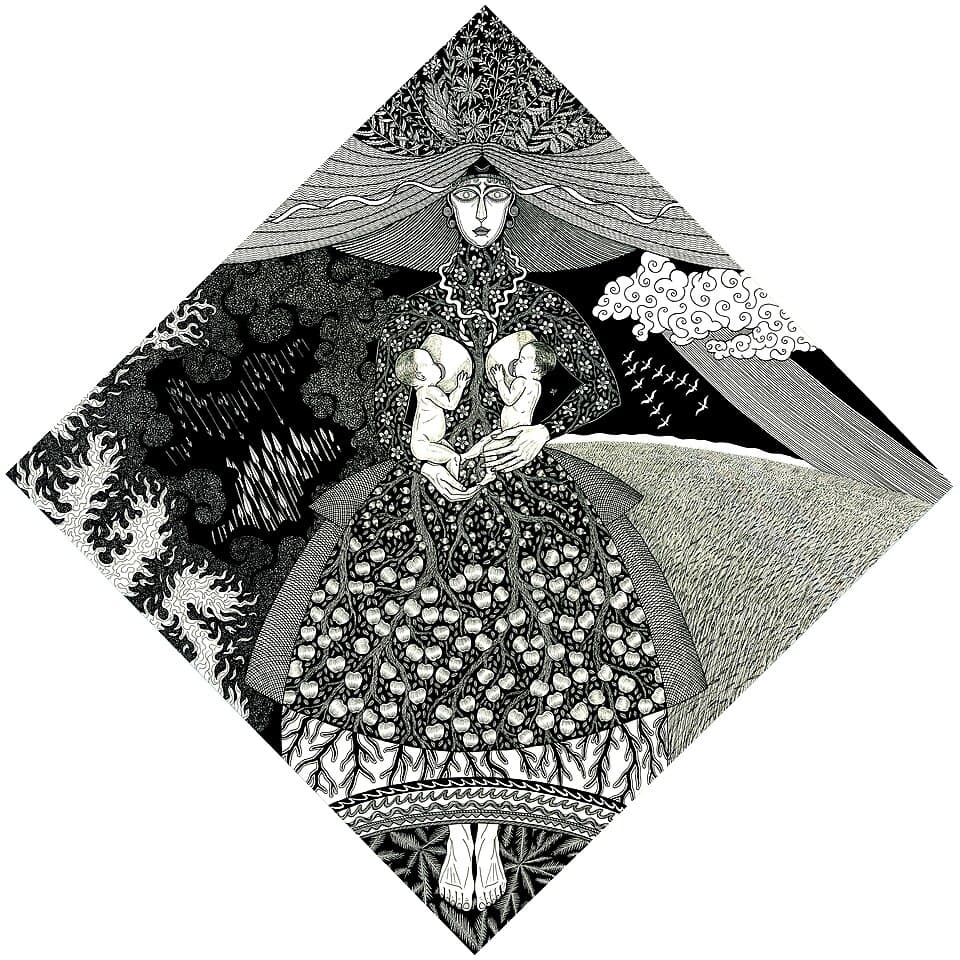
Morana, Morena, Mora, Mara, Morė, Marena, or Marzanna is a Slavic goddess associated with seasonal rites based on the idea of death and rebirth of nature. She is an ancient goddess associated with winter's death, rebirth and dreams. In ancient Slavic rites, the death of the Goddess Morana at the end of winter becomes the rebirth of Spring of the Goddess Kostroma (Russian), Lada or Vesna representing the coming of Spring.
Mat Zemlya is an East Slavic personification of earth acting as a deity. She is also called Mati Syra Zemlya meaning Mother Damp Earth or Mother Moist Earth.
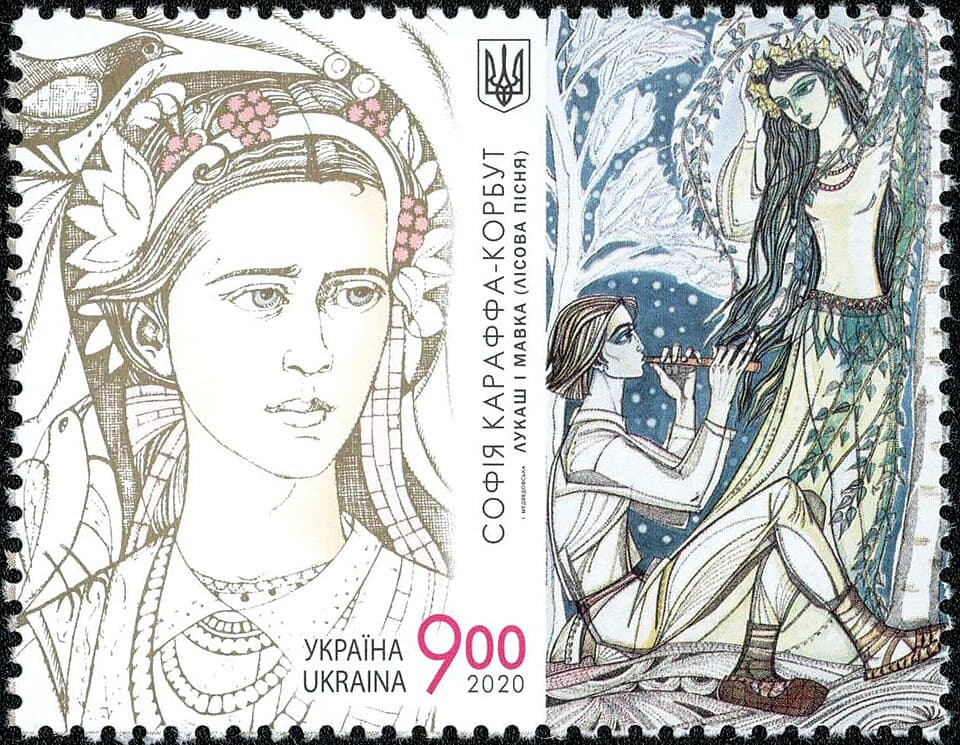
Mavka or Nyavka is a type of female spirit in Ukrainian folklore and mythology. The Mavka is a long-haired "Soul of the Forest", typically depicted as a temptress figure who lures men to their deaths.

Mokosh is a Slavic goddess. No narratives about this deity have survived: Mokosh was mentioned in various sermons against Paganism along with the vilas, but is not described by them, and all modern descriptions are reconstructions.

Morana, Morena, Mora, Mara, Morė, Marena, or Marzanna is a Slavic goddess associated with seasonal rites based on the idea of death and rebirth of nature. She is an ancient goddess associated with winter's death, rebirth and dreams. In ancient Slavic rites, the death of the Goddess Morana at the end of winter becomes the rebirth of Spring of the Goddess Kostroma (Russian), Lada or Vesna representing the coming of Spring.
Moryana is a female sea spirit in Slavic folklore, possibly a goddess. Moryana was a sea vodyanitsa and daughter of the Sea Tsar, and also, according to some beliefs, she ruled the winds. Sometimes the moryany/moryanki were said to be numerous spirits of the sea and a marine kind of rusalki, which posed a great threat to ships, but usually Moryana was represented as a single entity.
In Slavic mythology, notsnitsa, often referred in plural, is a nightmare spirit or demon that torments people and especially children at night. Other names for notsnitsa in East Slavic languages include kriksy, plaksy, plachky, plaksivicy, kriksy-varaksy, kriksy-plaksy, night hag, night maiden.
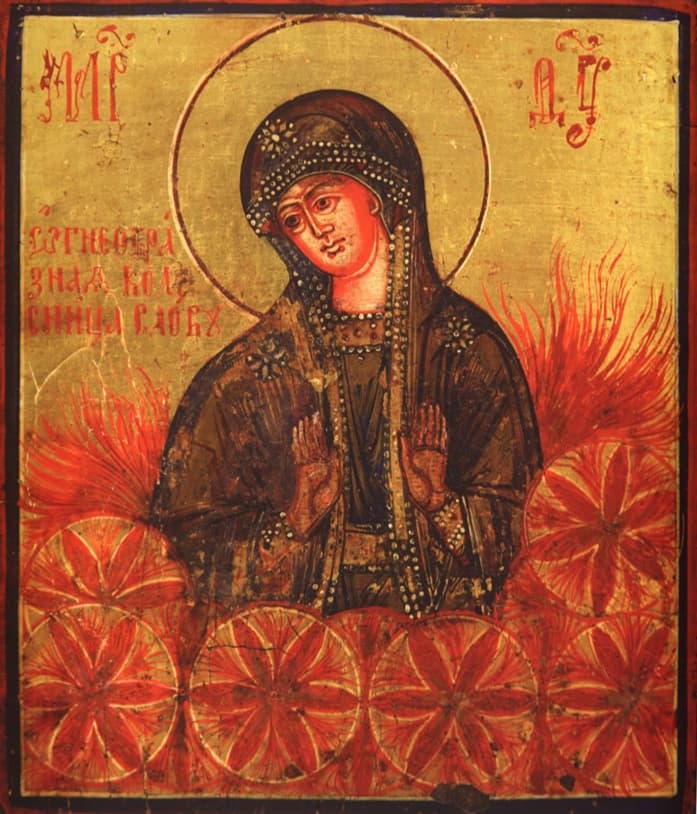
In Slavic mythology, Ognyena Maria is a fire goddess who is the sister and assistant of the thunder god, Perun. Ognyena Maria originates as a conflation of the figures of Margaret the Virgin and the Virgin Mary, both regarded as sisters of Saint Elias.
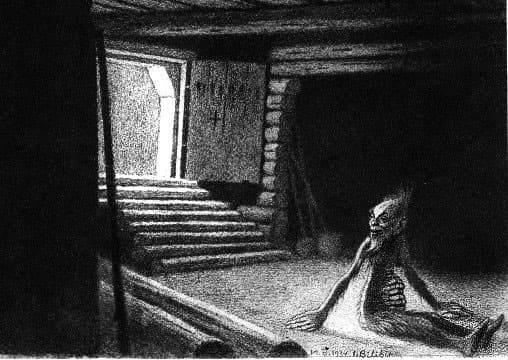
The Ovinnik, Joŭnik or Jovnik is a malevolent spirit of the threshing house in Slavic folklore whose name derived from ovin 'barn'. He is prone to burning down the threshing houses by setting fire to the grain. To placate him, peasants would offer him roosters and bliny.

In the folk Christianity of Slavic Eastern Orthodox Christians, Paraskeva Friday is a mythologized image based on a personification of Friday as the day of the week and the cult of saints Paraskeva of Iconium, called Friday and Paraskeva of the Balkans. In folk tradition, the image of Paraskeva Friday correlates with the image of Saint Anastasia of the Lady of Sorrows, and the Saint Nedelya as a personified image of Sunday. Typologically, Paraskeva Pyatnitsa has parallels with day-personifications of other cultures, for example, the Tajik Bibi-Seshanbi.
Perkunatete, Perkunatele or Perkūnėlė is in Baltic mythology the thunder goddess mother of Perkūnas, in Slavic mythology referred to as Percunatele mother of Perun, which is probably derived from the Balts. Like many such goddesses absorbed into Christianity, she is, today, difficult to distinguish from the Christian madonna, Mary, one of whose epithets was Panna Maria Percunatele. Professor Patricia Monaghan of DePaul University also believes that she was originally derived from the Baltic thunder goddess.
Pereplut is a Slavic deity or a demon with an unclear function. It appears in the list of gods and demons of the 12th-century Ruthenian interpolation of the Word of St. Grigory, as well as in the Word of St.
A Proto-Indo-European thunder god, reconstructed as *Perkʷūnos, was the weather god in Proto-Indo-European mythology. The deity is thought to be associated with fructifying rains, and his name was probably invoked in times of drought. In a widely attested Indo-European mythic pattern, the thunder-deity engages in combat with a multi-headed water-serpent in order to release the life-giving waters that had been confined or obstructed.
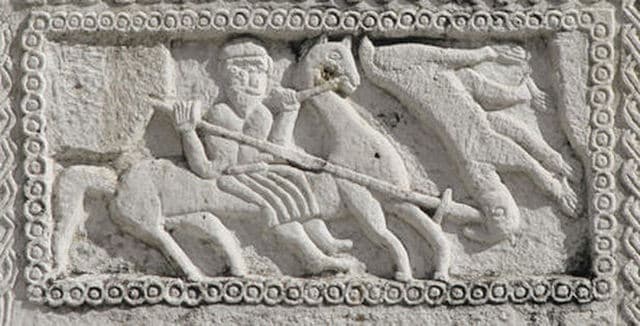
In Slavic mythology, Perun is the highest god of the pantheon and the god of sky, thunder, lightning, storms, rain, law, war, fertility and oak trees. His other attributes were fire, mountains, wind, iris, eagle, firmament, horses and carts, and weapons. The supreme god in the Kievan Rus' during the 9th-10th centuries, Perun was first associated with weapons made of stone and later with those of metal.
Pizamar is a Slavic deity worshipped on Rügen. His statue was overthrown by the Danes in 1168 together with statues of other gods on Rügen. He is mentioned only in Knýtlinga saga, which, however, does not give the functions of the god or his image.
Podaga is a Polabian deity who had his statue in a temple in Plön. Mentioned only in Helmold's Chronicle, which does not give a depiction or function of the deity. Among the Slavs there are many modes of idolatry and not all of them coincide with the same kind of superstition.
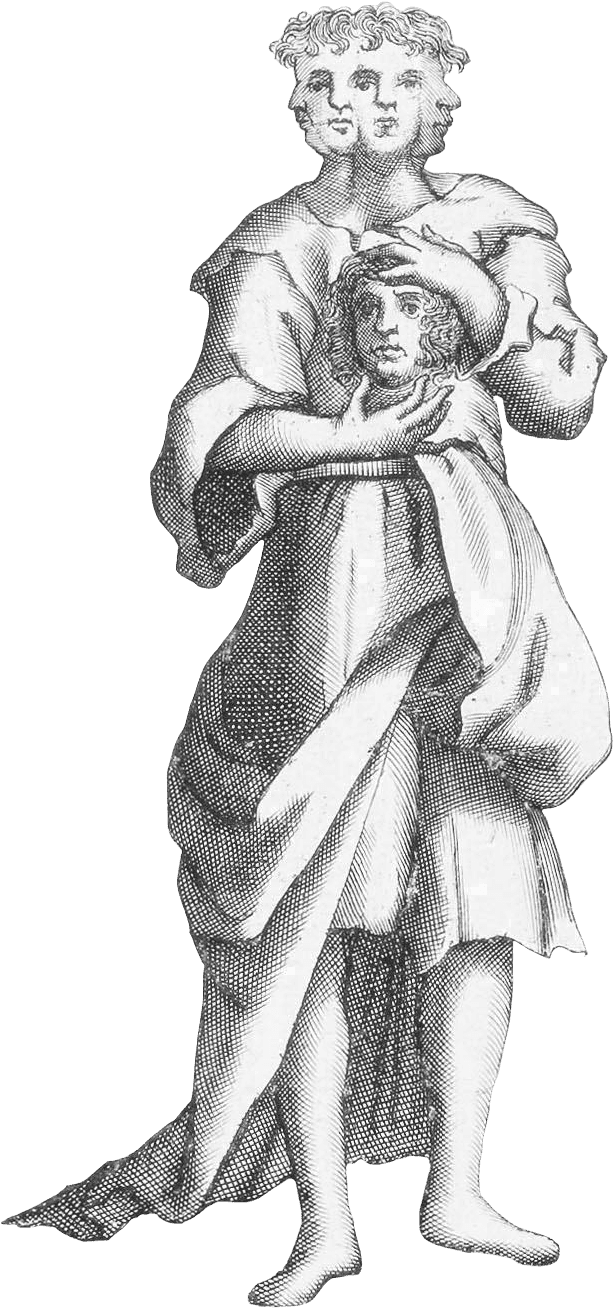
Porenut is a god with unknown functions mentioned in only two sources: Gesta Danorum and in Knýtlinga saga. The only historical information about this god is the description of a statue depicting him with four faces on his head and a fifth face on his chest, which was held by his chin with his right hand and his forehead with his left hand.
Porevit, Porovit or Borovit is a Slavic god with unknown functions mentioned in only two sources: Gesta Danorum and in Knýtlinga saga. The only historical information about him is a description of a statue of him with five faces and no weapons.
Pripegala is a god of the Polabian Slavs, mentioned in a 1108 letter by the Magdeburg Bishop Adelgot, calling for a battle against the pagan Veleti. Among the images of Slavic crimes and atrocities contained in the document was a description of the worship of a god named Pripegala, juxtaposed with the Greek Priapus:The most fanatical of them say, whenever they wish to divert themselves at feasts, "our Pripegala—they yell ferociously—wants heads, therefore must we perform sacrifices". Pripegala, as they call him, is a lewd Priapus and Belphegor.
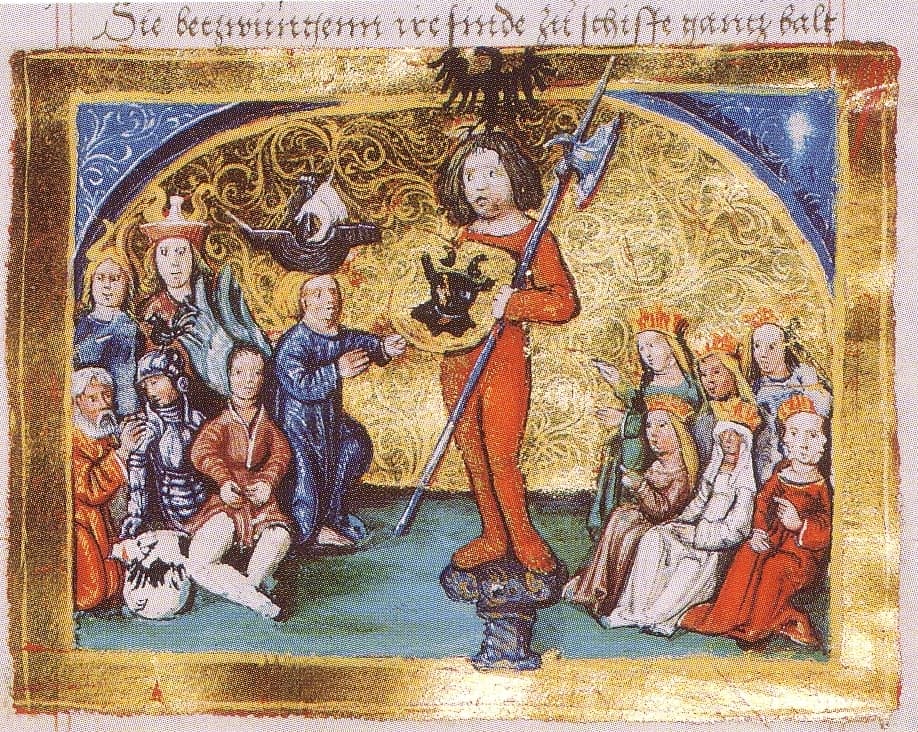
Radegast or Radogost is, according to medieval chroniclers, the god of the Polabian Slavs, whose temple was located in Rethra. In modern academic literature, however, the dominant view is that Radegast is a local nickname or a local alternative name of the solar god Svarozhits, who, according to earlier sources, was the chief god of Rethra. Some researchers also believe that the name of the town, where Svarozhits was the main deity, was mistakenly taken for a theonym.
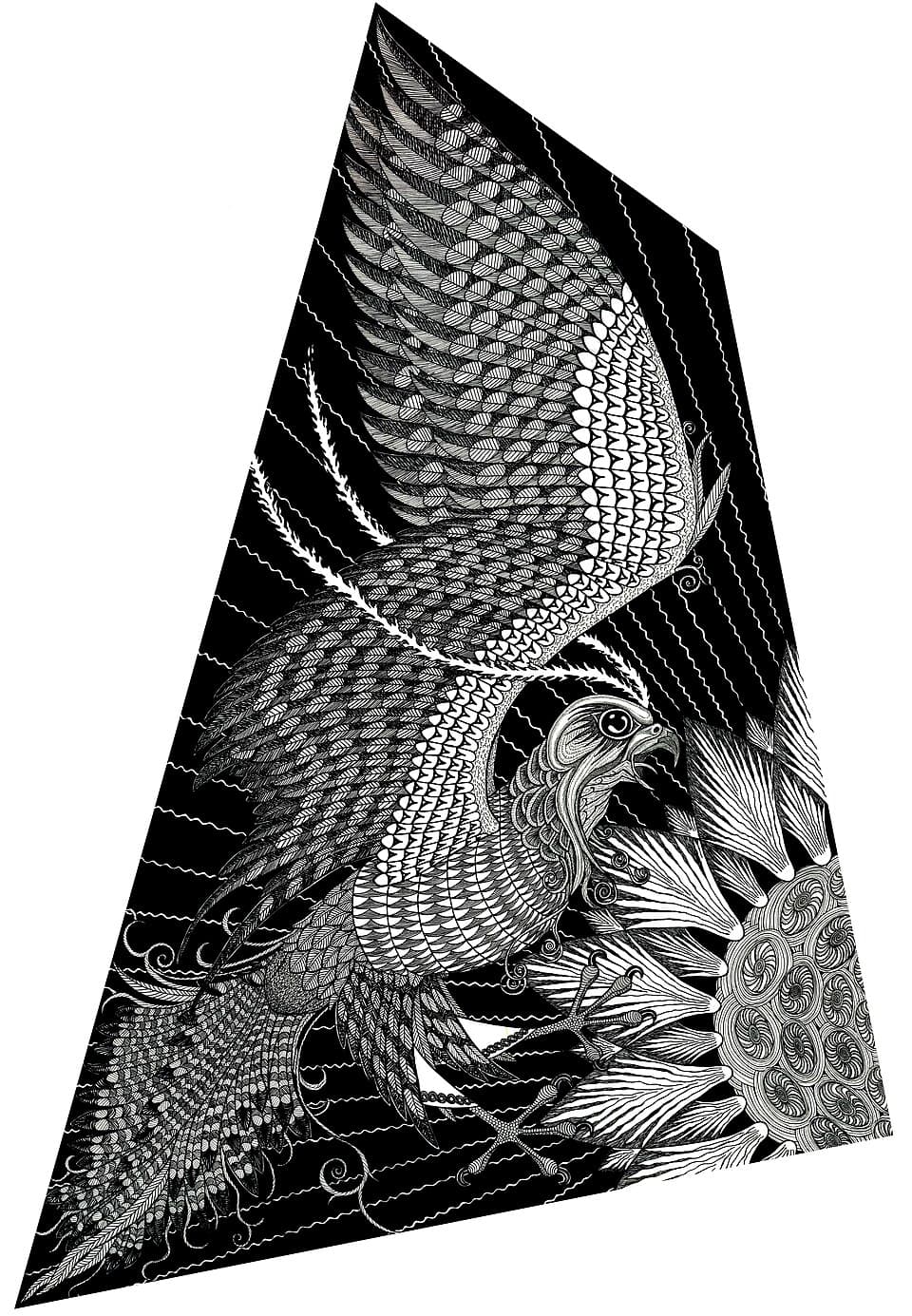
In Slavic mythology, the Raróg or Raróh is a fire demon, often depicted as a fiery falcon.

The Lutici or Liutizi (known by various spelling variants) were a federation of West Slavic Polabian tribes, who between the 10th and 12th centuries lived in what is now northeastern Germany. Four tribes made up the core of the federation: the Redarians, Circipanians (Circipani), Kessinians and Tollensians (Tholenzi). At least in part, the Lutici were a continuation of the Veleti.
Rethra was, in the 10th to the 12th centuries, the main town and political center of the Slavic Redarians, one of the four major Lutician tribes, located most likely in present-day Mecklenburg. It was also a major worship center, devoted to the cult of the Slavic deity Radegast-Swarożyc.
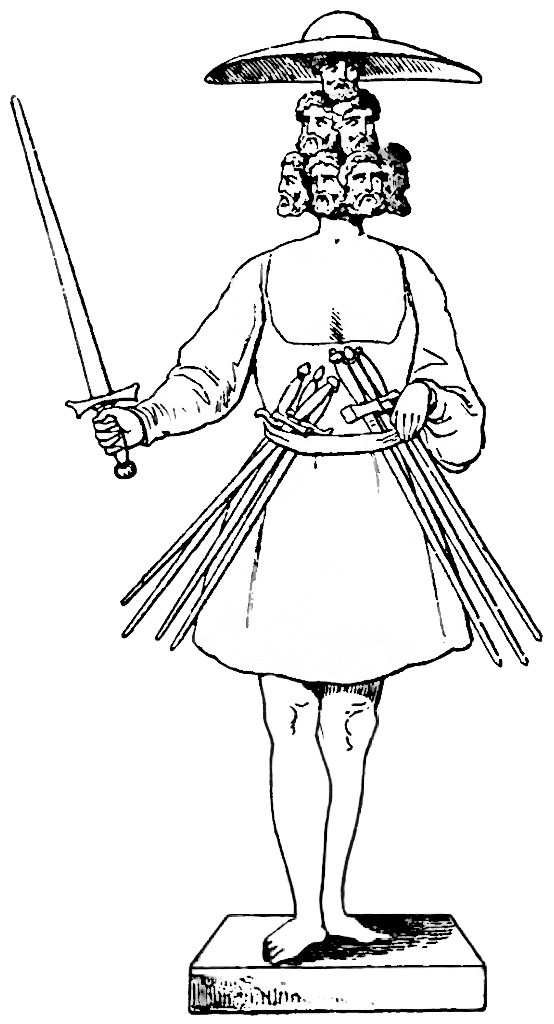
Rugiaevit, Rugievit or Ruyevit is a god of the Slavic Rani worshipped on Rügen, mentioned in only two sources: Gesta Danorum and in Knýtlinga saga. His temple, along with those of Porevit and Porenut, was located in the gord of Charenza, probably today's Garz. The statue of him had seven faces, seven swords at his belt and an eighth one in his hand.
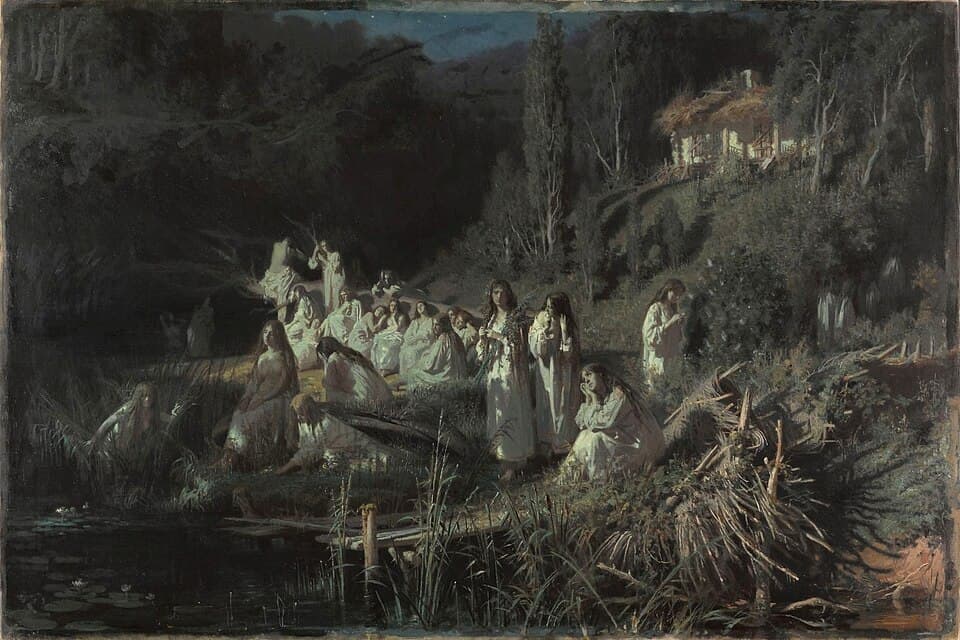
In Slavic folklore, the rusalka is a female entity, often malicious toward mankind and frequently associated with water. It has counterparts in other parts of Europe, such as the French Melusine and the Germanic Nixie. Folklorists have proposed a variety of origins for the entity, including that they may originally stem from Slavic paganism, where they may have been seen as benevolent spirits.
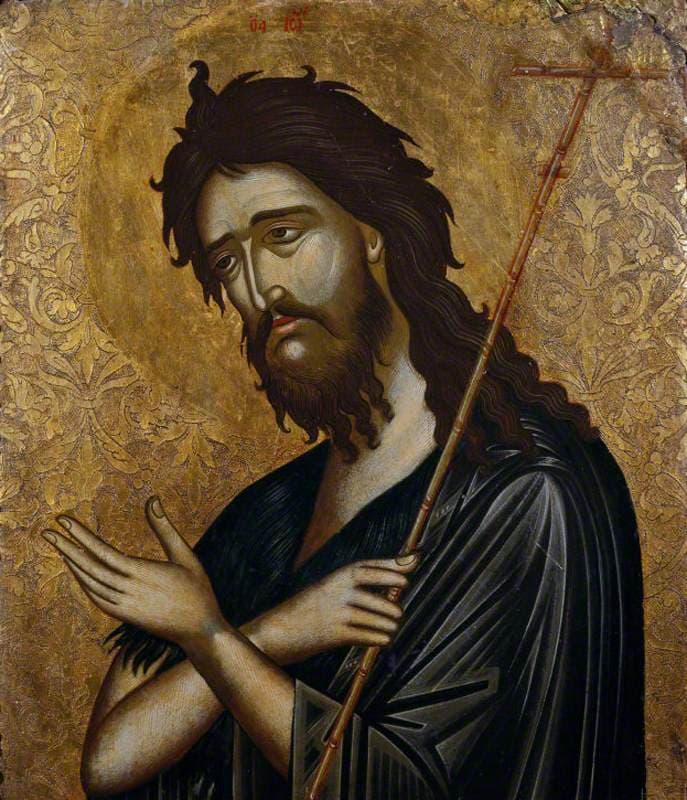
In Christian belief, a saint, also known as a hallow, is a person who is recognized as having an exceptional degree of holiness, likeness, or closeness to God. However, the use of the term saint depends on the context and denomination. Official ecclesiastical recognition, and veneration, is conferred on some denominational saints through the process of canonization in the Catholic Church or glorification in the Eastern Orthodox Church after their approval.

Saint Nedelya (St. Sunday, St. Anastasia, in folk Orthodoxy of the Slavs is the personification of Sunday as day of the week.
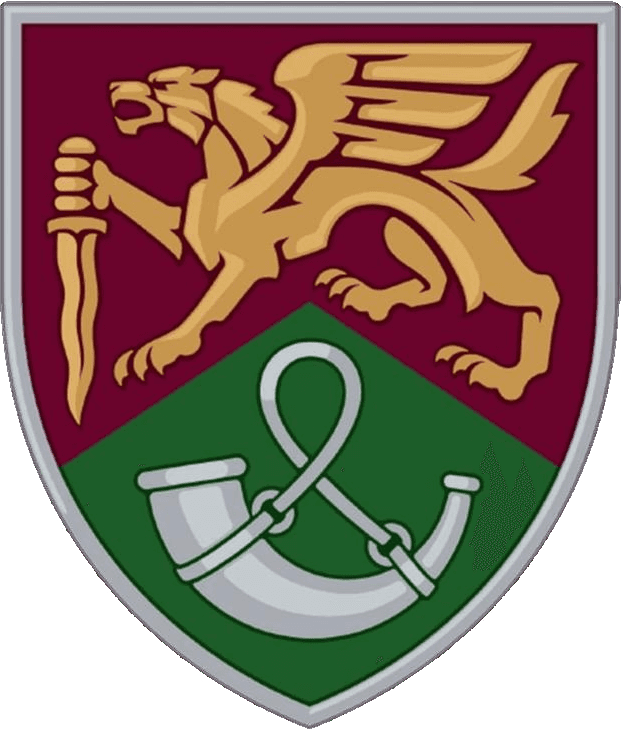
Simargl or Sěm and Rgel is an East Slavic god or gods often depicted as a winged dog, mentioned in two sources. The origin and etymology of this/these figure(s) is the subject of considerable debate. The dominant view is to interpret Simargl as a single deity who was borrowed from the Iranian Simurgh.
Stribog is a god in Slavic mythology found in three East Slavic sources, whose cult may also have existed in Poland. The sources do not inform about the functions of the god, but nowadays he is most often interpreted as a wind deity who distributes wealth.
Svarog is a Slavic god who may be associated with fire and blacksmithing and who was once interpreted as a sky god on the basis of an etymology rejected by modern scholarship. He is mentioned in only one source, the Primary Chronicle, which is problematic in interpretation. He is presented there as the Slavic equivalent of the Greek god Hephaestus.
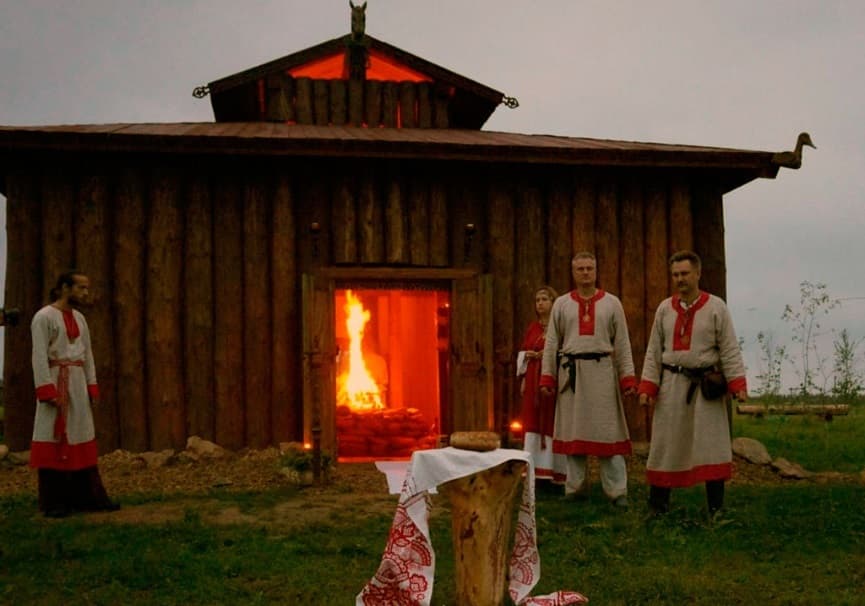
Svarozhits, Svarozhich is a Slavic god of fire, son of Svarog. One of the few Pan-Slavic gods, he is most likely identical with Radegast or its regional variant; it is also but much less often identified with Dazhbog.
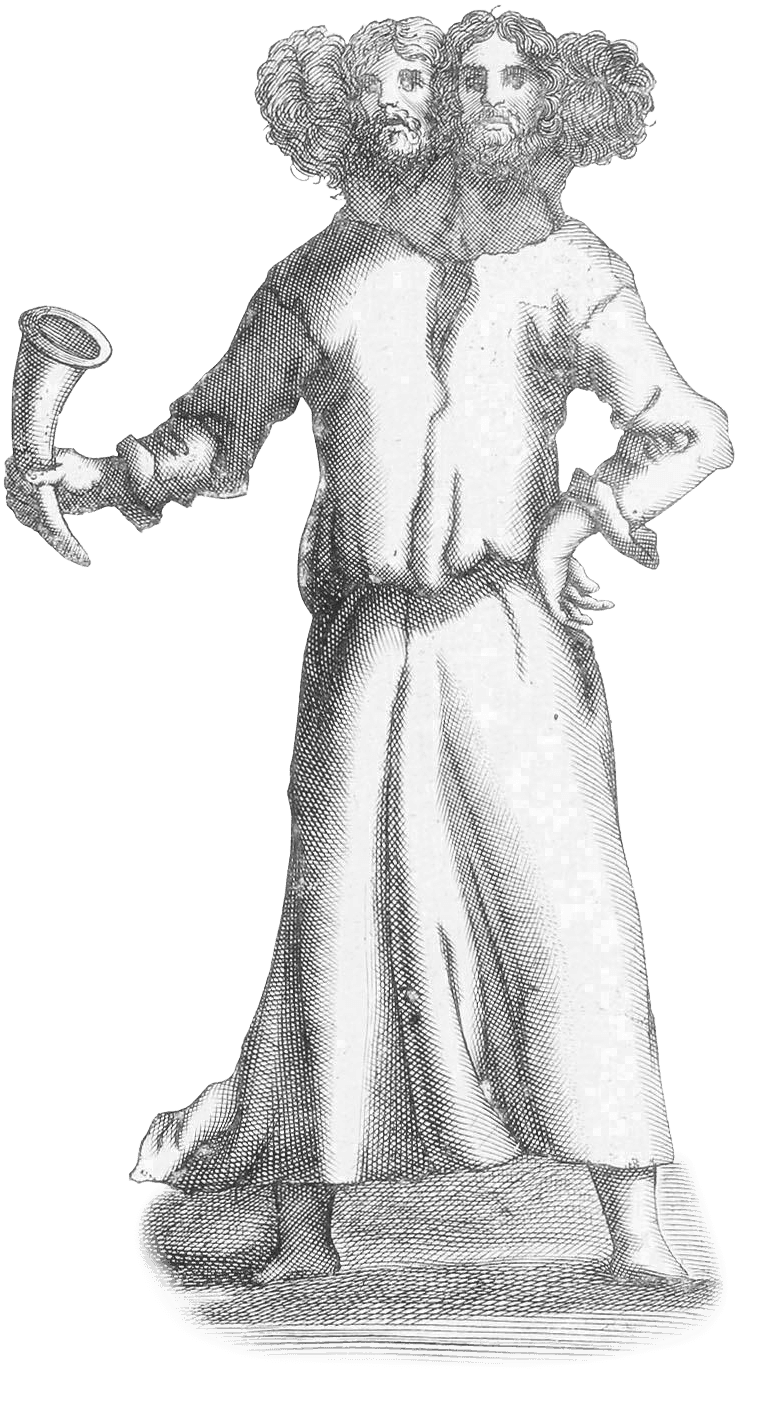
Svetovit, also known as Sventovit and Svantovit amongst other variants, is the god of abundance and war, and the chief god of the Slavic tribe of the Rani, and later of all the Polabian Slavs. His organized cult was located on the island of Rügen, at Cape Arkona, where his main temple was also located. According to the descriptions of medieval chroniclers, the statue representing this god had four heads and held a horn and a sword.

Veles, also known as Volos, is a chthonic god of the underworld, described in contemporary sources as a cattle god, but according to various hypotheses, he had a much broader sphere of influence. His function as protector of cattle may be connected to both wealth and rule of the underworld, which was imagined as a pasture where human souls grazed. Through comparative methods, he can be interpreted as a deity of magic, knowledge, divination, and poetry.
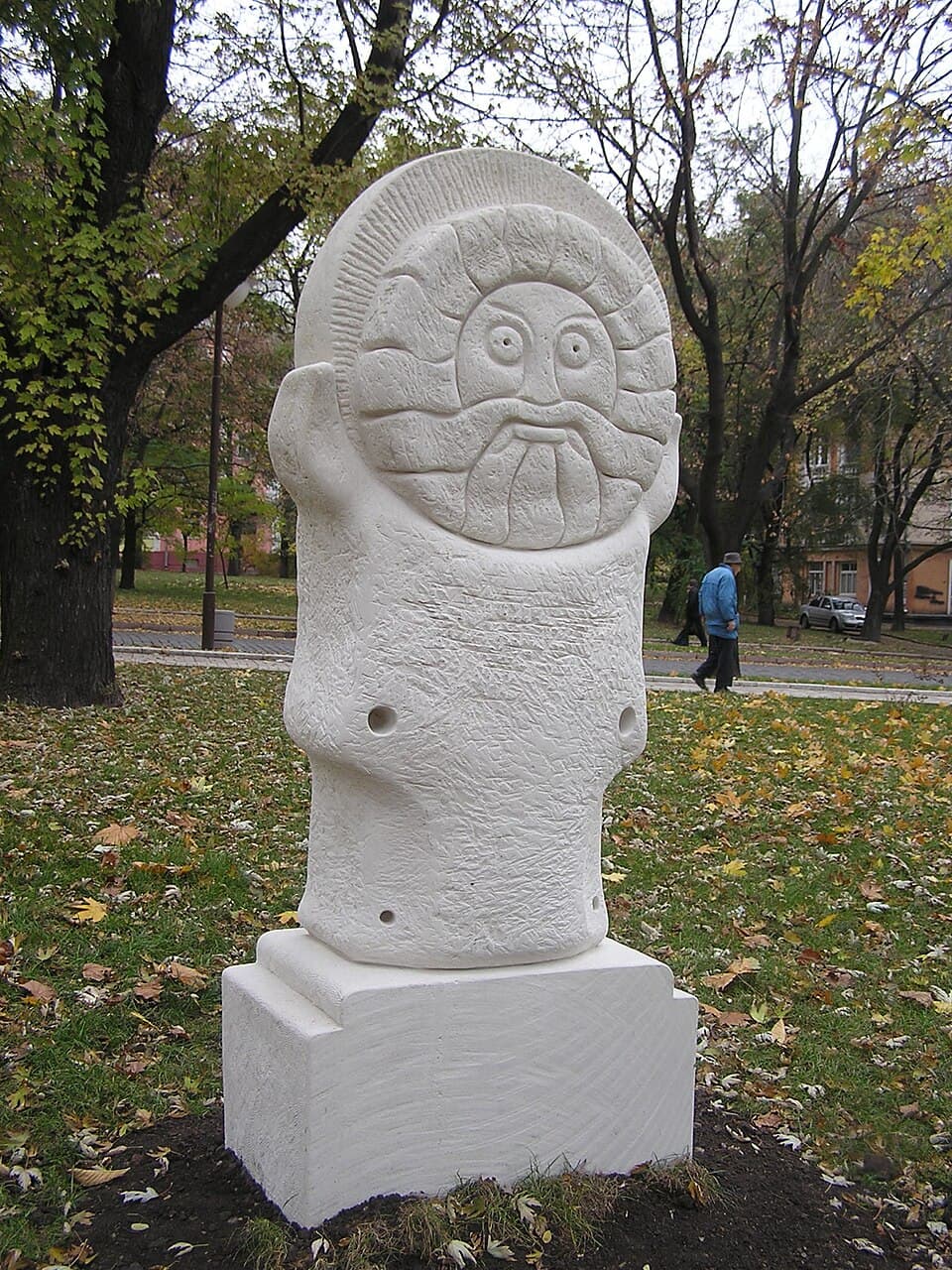
Jarylo, alternatively Yaryla, Yarilo, Iarilo, Juraj, Jurij, or Gerovit, is an alleged East and South Slavic god of vegetation, fertility and springtime.
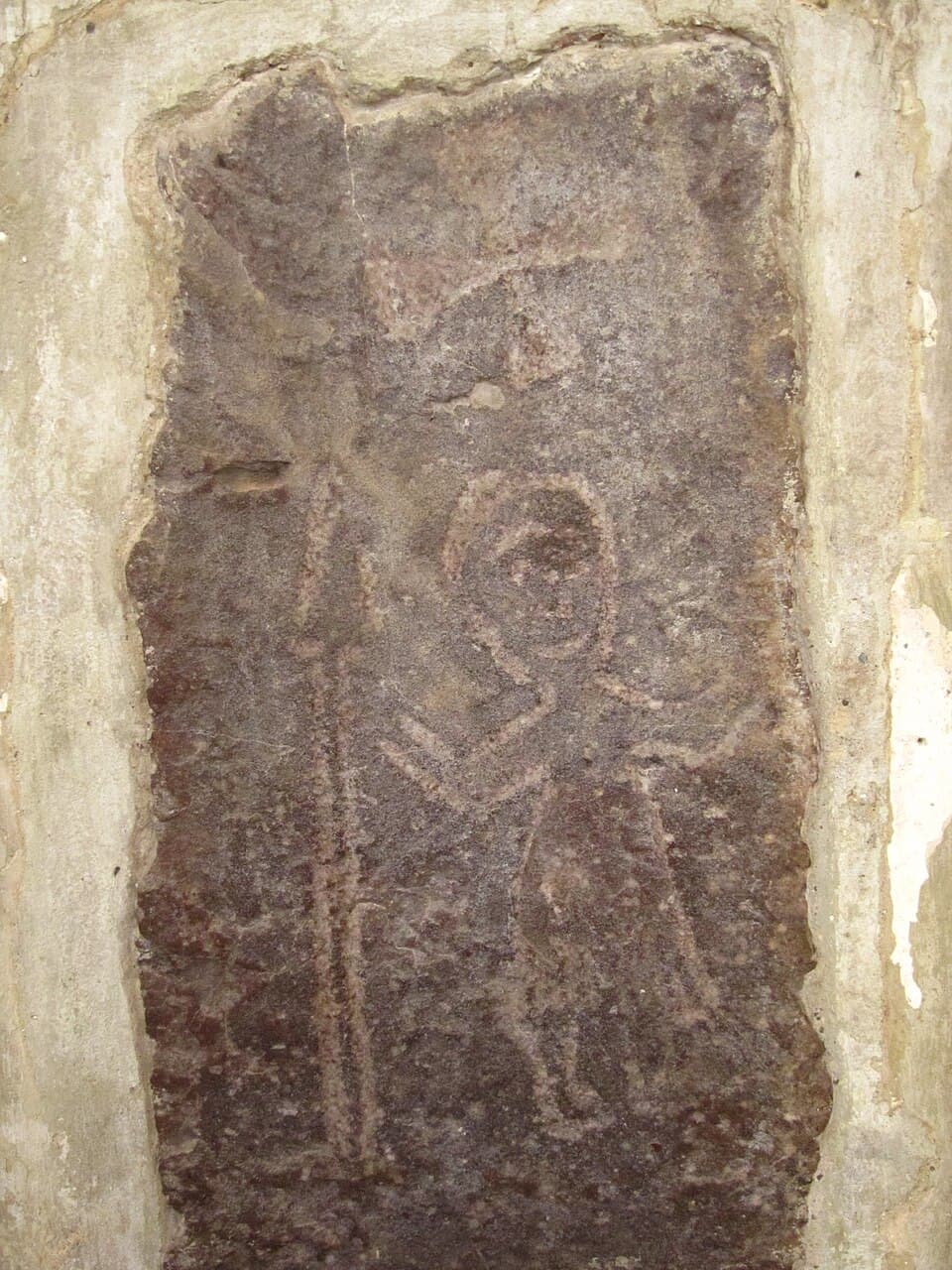
Yarovit, Iarovit is a Polabian god of war, worshipped in Vologošč (Circipanians) and Hobolin. Sources give only a brief description of his cult, his main temple was located in Vologošč, where there was a golden shield belonging to Yarovit. By one Christian monk he was identified with the Roman Mars.
Zorya is a figure in Slavic folklore, a feminine personification of dawn, possibly goddess. Depending on tradition, she may appear as a singular entity, or two or three sisters at once. Although Zorya is etymologically unrelated to the Proto-Indo-European goddess of the dawn *H₂éwsōs, she shares most of her characteristics.
Complete index
All 89 names, alphabetically. This pantheon is too small for a letter rail to be worth the space — 89 entries do not fill 26 letters — so it runs as one list.