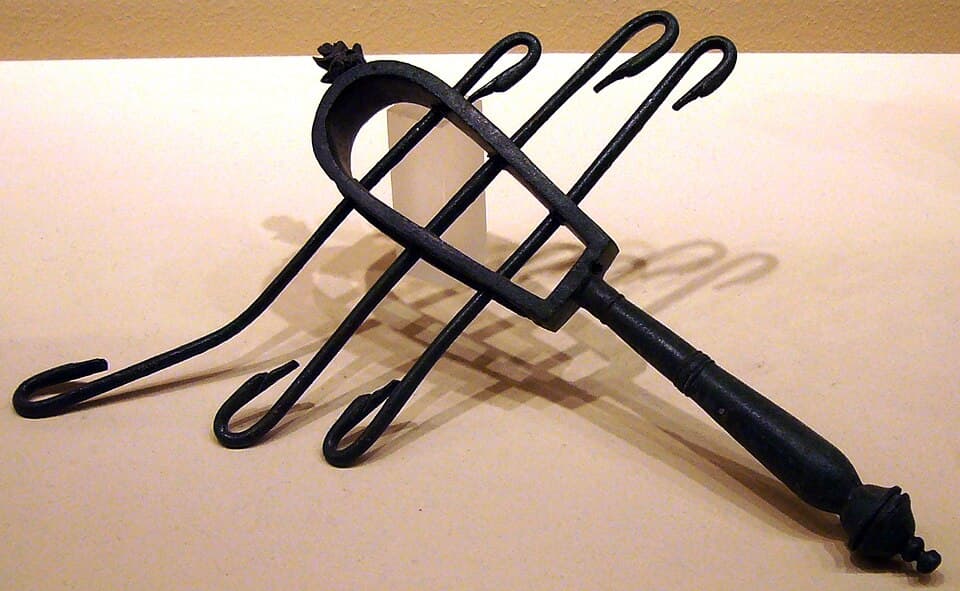
Sistrum
A sistrum is a musical instrument of the percussion family, a form of rattle, used most notably by the ancient Egyptians. It consists of a handle and a U-shaped metal frame, made of brass or bronze and ranging from 30 to 76 cm (12–30 in) in width. The frame supports sliding metal cross-bars, which may hold metal rings. When shaken, the small rings or loops of thin metal on its movable crossbars produce a sound that can vary from a soft clank to a loud jangling. Its name in the ancient Egyptian language was sekhem (sḫm) or sesheshet (sššt) because of the sound it made when it rattled. The ancient Egyptian sistrum had important associations with religious and ritualistic practices concerning various musical and joyful deities.
Pantheon: Egyptian Culture: Ancient Egyptian Civilization: Ancient Egypt Period: 3100 BCE – 400 CE
Source: Wikipedia
Sources & Notes
Wikipedia: https://en.wikipedia.org/wiki/Sistrum
Discussion
Discussion
No comments yet
Start the discussion — sign in to leave a comment.
Join the Discussion
Join the discussion
Sign in to leave a comment or review.
Sign InorCreate an account