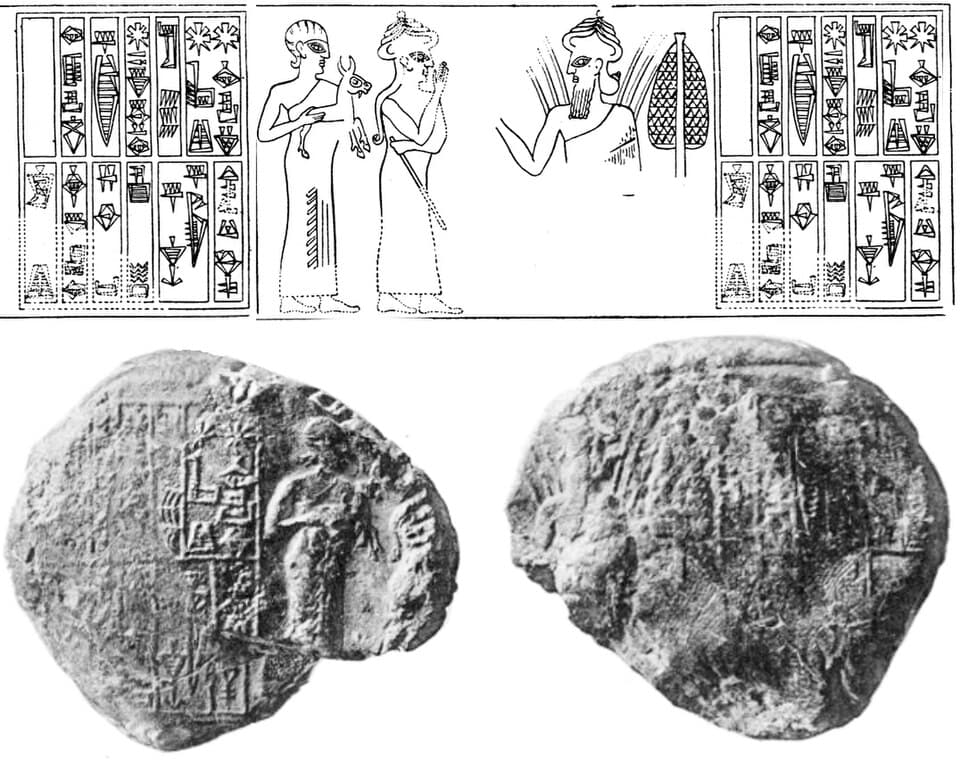
Sukkal
Sukkal was a term which could denote both a type of official and a class of deities in ancient Mesopotamia. The historical sukkals were responsible for overseeing the execution of various commands of the kings and acted as diplomatic envoys and translators for foreign dignitaries. The deities referred to as sukkals fulfilled a similar role in mythology, acting as servants, advisors and envoys of the main gods of the Mesopotamian pantheon, such as Enlil or Inanna. The best known sukkal is the goddess Ninshubur. In art, they were depicted carrying staves, most likely understood as their attribute. They could function as intercessory deities, believed to mediate between worshipers and the major gods.
Pantheon: Mesopotamian Culture: Sumerian / Akkadian Civilization: Ancient Mesopotamia Period: 3500 BCE – 500 BCE
Source: Wikipedia
Sources & Notes
Wikipedia: https://en.wikipedia.org/wiki/Sukkal
Discussion
Discussion
No comments yet
Start the discussion — sign in to leave a comment.
Join the Discussion
Join the discussion
Sign in to leave a comment or review.
Sign InorCreate an account