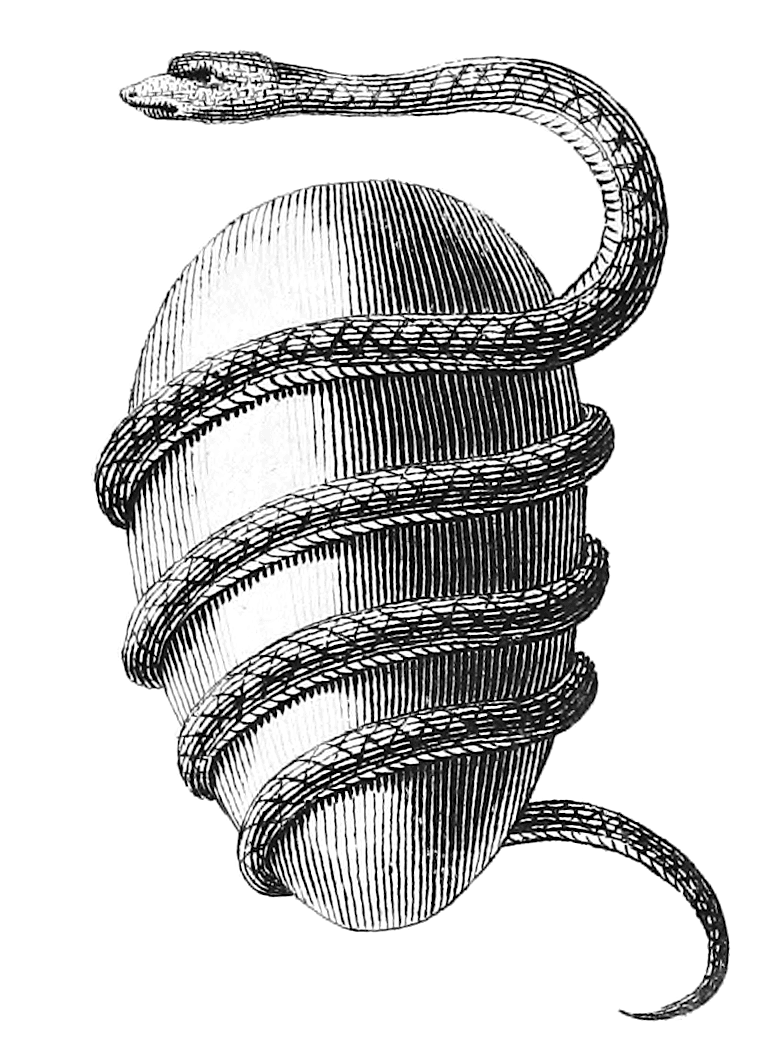
World egg
The cosmic egg, world egg or mundane egg is a mythological motif found in the cosmogonies of many cultures and civilizations, including in Proto-Indo-European mythology. Typically, there is an egg which, upon "hatching", either gives rise to the universe itself or gives rise to a primordial being who, in turn, creates the universe. The egg is sometimes lain on the primordial waters of the Earth. Typically, the upper half of the egg, or its outer shell, becomes the heaven (firmament) and the lower half, or the inner yolk, becomes the Earth. The motif likely stems from simple elements of an egg, including its ability to offer nourishment and give rise to new life, as is reflected by the Latin proverb omne vivum ex ovo.
Pantheon: Inca Culture: Andean / Quechua Civilization: Inca Empire Period: 1200 CE – 1533 CE
Source: Wikipedia
Sources & Notes
Wikipedia: https://en.wikipedia.org/wiki/Cosmic_egg
Discussion
Discussion
No comments yet
Start the discussion — sign in to leave a comment.
Join the Discussion
Join the discussion
Sign in to leave a comment or review.
Sign InorCreate an account