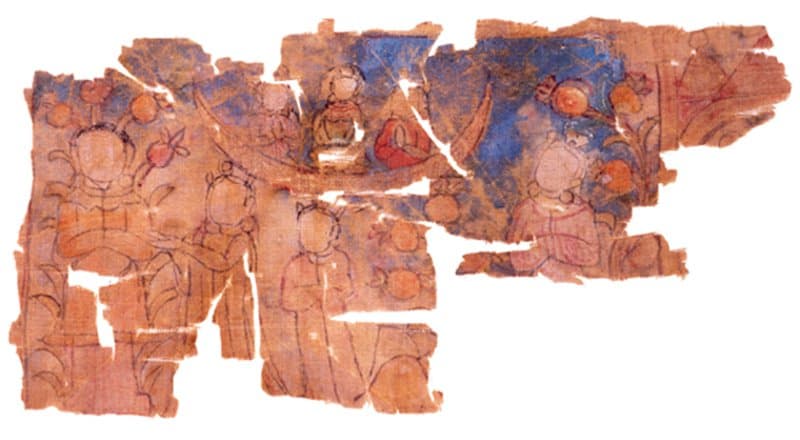
Zam
Zam is the Avestan language term for the Zoroastrian concept of "earth", in both the sense of land and soil and in the sense of the world. The earth is viewed as a primordial element in Zoroastrian tradition, and represented by a minor divinity, Zam, who is the hypostasis of the "earth". The word itself, changed to Zamin in Modern Persian, is cognate to the Baltic Zemes, Slavic Zem, Serbian Zemlja, Greco-Thracian Semele, meaning the planet Earth, as well as soil.
Pantheon: Zoroastrian Culture: Persian Civilization: Ancient Persia Period: 1500 BCE – present
Source: Wikipedia
Sources & Notes
Wikipedia: https://en.wikipedia.org/wiki/Zam
Discussion
Discussion
No comments yet
Start the discussion — sign in to leave a comment.
Join the Discussion
Join the discussion
Sign in to leave a comment or review.
Sign InorCreate an account