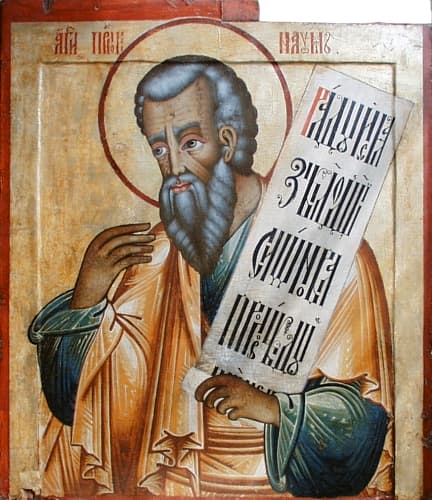
Who He Was
Nahum ( or ; Hebrew: נַחוּם Naḥūm) was a minor prophet whose prophecy is recorded in the Tanakh, also called the Hebrew Bible and the Old Testament. His book comes in chronological order between Micah and Habakkuk in the Bible. He wrote about the end of the Assyrian Empire, and its capital city, Nineveh, in a vivid poetic style. Recognized in: Judaism, Christianity.
Birth and Early Life
Traditional and historical sources place Nahum in the era of 7th century BCE. Where such dates are traditional, mythic, or disputed rather than historically established, they should be read as the tradition's own reckoning rather than confirmed chronology.
His Calling / Mission
The scriptures and traditions of Judaism, Christianity describe the calling and mission of Nahum; the key passages are listed under Sacred Texts and Scripture below.
Religion and Teachings
Nahum is honored within Judaism, Christianity. His teaching and significance are set out in the sacred texts that record his life.
Sacred Texts and Scripture
Scriptural references: the Book of Nahum
Major Accomplishments and Events
The account of Nahum's life, works, and significance is preserved in the scriptures cited above and in the living tradition of Judaism, Christianity.
Death and Legacy
Nahum is remembered across Judaism, Christianity as one of the foundational figures of faith, and continues to be honored in scripture, devotion, and scholarship. Source: Wikipedia
Scripture References
the Book of Nahum
Sources & Notes
Wikipedia: https://en.wikipedia.org/wiki/Nahum
Discussion
Discussion
No comments yet
Start the discussion — sign in to leave a comment.
Join the Discussion
Join the discussion
Sign in to leave a comment or review.
Sign InorCreate an account