Malik and the Khabar al-Ahad: When Medina's Practice Set Aside an Authentic Hadith
In his own Muwatta, Imam Malik narrates an authentic hadith with a flawless chain — then writes that Medina does not act on it. A contemporary demanded his repentance, and his own student al-Shafi'i built the Risala's case for the solitary report. Both sides, from the books themselves.
By John Shaqi · July 23, 2026 · 15 min read
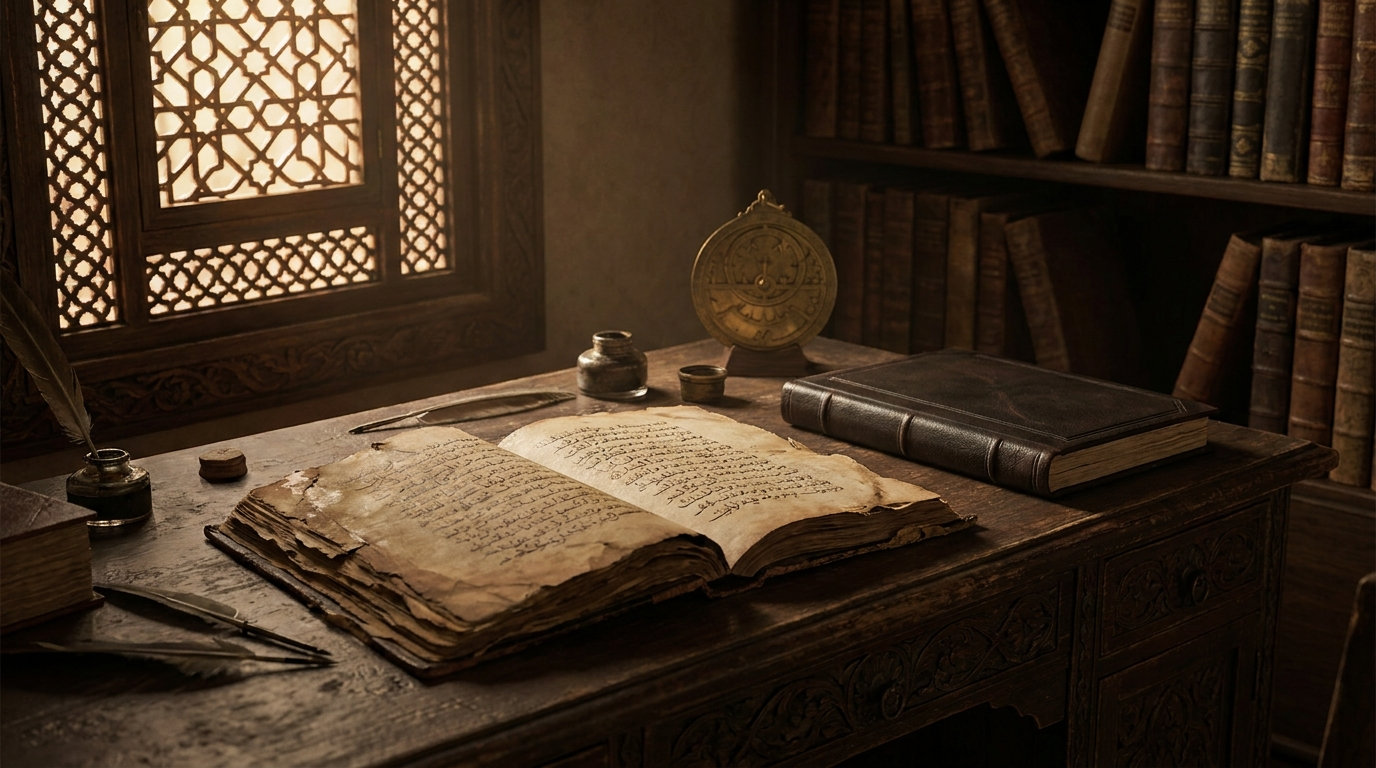
The Imam Who Wrote Down the Hadith — and Then Set It Aside
Medina, the second century after the hijra. Malik ibn Anas is compiling al-Muwatta. He records a hadith through what later masters called the "golden chain" — Malik, from Nafi', from Ibn Umar, from the Messenger of Allah: buyer and seller may each cancel a sale so long as the two have not parted. Then, in the very next lines of his own book, Malik adds: among us in Medina, no practice is acted upon in this. The hadith is authentic — al-Bukhari and Muslim would both later include it. Yet the imam who transmitted it did not rule by it, because the people of Medina did not act on it. A Medinan contemporary reacted with words so harsh that al-Dhahabi, recording them centuries later, felt obliged to defend both men. And a generation on, Malik's own student al-Shafi'i wrote al-Risala, whose longest argument reads like a case against his teacher's method.
This article does not mock any religion. It will do what we always do: open the books, present the texts exactly as they are, and ask two questions. What did Malik actually write in the Muwatta, and what did al-Shafi'i actually answer? The verdict, as always, is yours.
Continue Reading
Continue reading this article
Sign in free to read in full. Become a member to join the discussion without limits.
Sign in free to read →- ✓Read every article
- ✓Comment and reply (up to 100 words, 10/month)
- ✓Browse the community
- ✓Reader badge