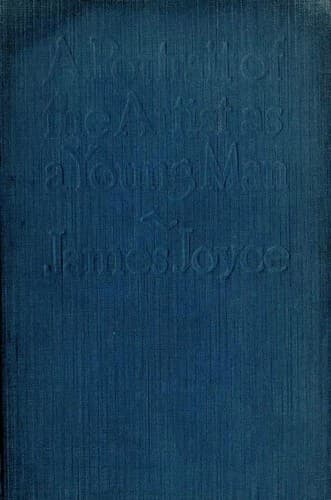
A Portrait of the Artist as a Young ManJoyce, James
General
A Portrait of the Artist as a Young Man
Joyce, James
Artists -- Fiction; Autobiographical fiction; Bildungsromans; Dublin (Ireland) -- Fiction; Young men -- Fiction
The parlour fire would not draw that evening and Mr Dedalus rested the
poker against the bars of the grate to attract the flame. Uncle Charles
dozed in a corner of the half furnished uncarpeted room and near him
the family portraits leaned against the wall. The lamp on the table
shed a weak light over the boarded floor, muddied by the feet of the
vanmen. Stephen sat on a footstool beside his father listening to a
long and incoherent monologue. He understood little or nothing of it at
first but he became slowly aware that his father had enemies and that
some fight was going to take place. He felt, too, that he was being
enlisted for the fight, that some duty was being laid upon his
shoulders. The sudden flight from the comfort and reverie of Blackrock,
the passage through the gloomy foggy city, the thought of the bare
cheerless house in which they were now to live made his heart heavy:
and again an intuition, a foreknowledge of the future came to him. He
understood also why the servants had often whispered together in the
hall and why his father had often stood on the hearthrug, with his back
to the fire, talking loudly to uncle Charles who urged him to sit down
and eat his dinner.
—There’s a crack of the whip left in me yet, Stephen, old chap, said Mr
Dedalus, poking at the dull fire with fierce energy. We’re not dead
yet, sonny. No, by the Lord Jesus (God forgive me) nor half dead.
Dublin was a new and complex sensation. Uncle Charles had grown so
witless that he could no longer be sent out on errands and the disorder
in settling in the new house left Stephen freer than he had been in
Blackrock. In the beginning he contented himself with circling timidly
round the neighbouring square or, at most, going half way down one of
the side streets but when he had made a skeleton map of the city in his
mind he followed boldly one of its central lines until he reached the
Custom House. He passed unchallenged among the docks and along the
quays wondering at the multitude of corks that lay bobbing on the
surface of the water in a thick yellow scum, at the crowds of quay
porters and the rumbling carts and the illdressed bearded policeman.
The vastness and strangeness of the life suggested to him by the bales
of merchandise stocked along the walls or swung aloft out of the holds
of steamers wakened again in him the unrest which had sent him
wandering in the evening from garden to garden in search of Mercedes.
And amid this new bustling life he might have fancied himself in
another Marseilles but that he missed the bright sky and the sun-warmed
trellises of the wineshops. A vague dissatisfaction grew up within him
as he looked on the quays and on the river and on the lowering skies
and yet he continued to wander up and down day after day as if he
really sought someone that eluded him.
Public-domain text, read in full here on John Shaqi.
Reviews
Reviews
No reviews yet
Be the first to share your thoughts on this work.
Join the Discussion
Join the discussion
Sign in to leave a comment or review.
Sign InorCreate an account